


Subsidy dispute intensifies as APC attacks Atiku plan and ADC seeks account of N15.8tn
Translated from English and summarized by DistantNews. Read the original for the full story.
At a glance
News
Official statement
Ongoing story
- Nigeria’s APC warned that restoring the fuel subsidy could reverse economic gains and pressure wages, education, infrastructure and state finances.
- The African Democratic Congress demanded an account of N15.8tn in additional revenue it said accrued after subsidy removal.
- The dispute has intensified ahead of Nigeria’s 2027 elections, after an opposition presidential candidate pledged to restore the subsidy.
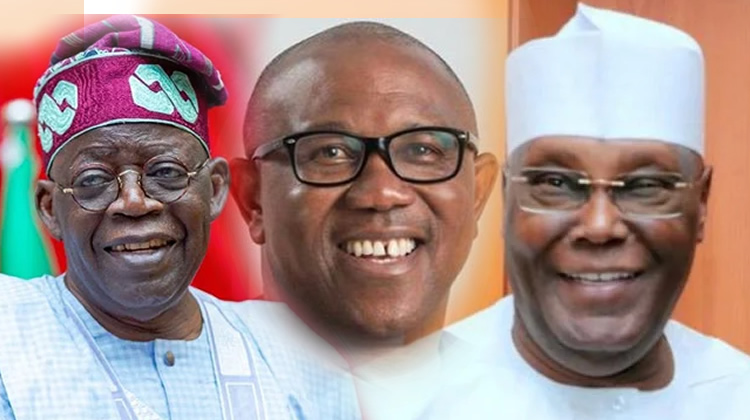
Nigeria’s fuel subsidy debate has become an early political fault line ahead of the 2027 elections, with the ruling APC warning against a return to the old system and the ADC demanding answers about the money saved through its removal.
APC National Chairman Nentawe Yilwatda said former Vice-President Atiku Abubakar’s proposal to restore the subsidy could reverse economic gains from the government’s reforms. He warned that the policy could affect workers’ wages, education grants, infrastructure and the fiscal position of states.
The former Vice President Atiku Abubakar’s proposal to restore fuel subsidy raises fundamental questions about how such a policy would be financed and sustained without returning Nigeria to the cycle of fiscal pressures that characterised the previous arrangement.
President Bola Tinubu ended the subsidy on May 29, 2023, during his inauguration. The decision pushed up the prices of goods and services, but the APC-led government has continued to argue that it produced economic gains. An ADC presidential candidate who had also promised to end the subsidy in 2023 has now pledged to restore it if elected in the January presidential election, saying the move would cushion its impact on Nigerians.
Subsidy may appear attractive because it promises cheaper petrol, but Nigerians must also ask the bigger question: who pays for the subsidy and what happens to the resources that government must divert to finance it?
Yilwatda said the debate should focus on how a subsidy would be financed and sustained. “Subsidy may appear attractive because it promises cheaper petrol, but Nigerians must also ask the bigger question: who pays for the subsidy and what happens to the resources that government must divert to finance it?” he said.
The ADC, meanwhile, challenged the Federal Government to account for N15.8tn in additional revenues it said accrued from the reforms. Yilwatda said higher federal allocations after subsidy removal had improved state finances, after some states previously struggled to pay salaries and pensions.
A policy cannot be judged only by its immediate benefit at the pump.
About this summary
Originally published by The Punch in English. Translated, summarized, and contextualized automatically by DistantNews, with a note on how the source frames the story. Not individually reviewed before publishing. How this works.
More Stories


From Our Blog

How the Same Story Looks Different in Different Countries

What Gets Lost (and Found) When News Is Translated

The Critical Role of Diaspora Media in Global News

What Travellers Should Know About Countries with Restricted Press

A Digital Nomad's Guide to Following Local News
