


Sudan Orders Curbs on Armed Movement Inside Cities Amidst Security Concerns
Translated from English and summarized by DistantNews. Read the original for the full story.
At a glance
News
Named sources
Context piece
- Sudan's Security and Defense Council has ordered stricter controls on armed personnel and vehicles within cities.
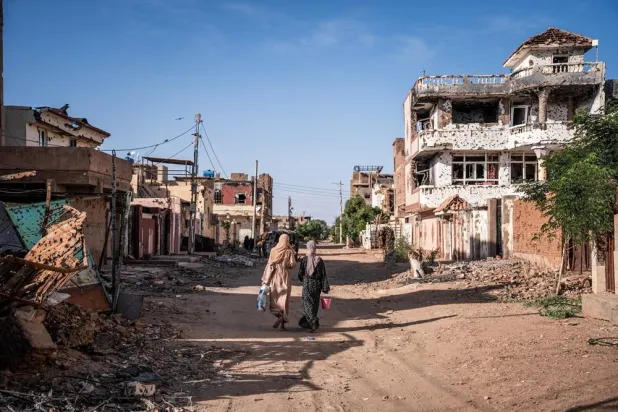
- The move follows reports of "disorder" attributed to armed forces and allied groups in recaptured areas.
- The council, chaired by Gen. Abdel Fattah al-Burhan, aims to regulate "security cells" and track down RSF collaborators.
From our perspective at Asharq Al-Awsat, the decisions made by Sudan's Security and Defense Council reflect the complex and volatile security situation gripping the nation. The directive to curb the movement of armed elements and vehicles inside cities is a necessary, albeit potentially challenging, step in restoring order amidst the ongoing conflict between the army and the Rapid Support Forces (RSF). The council's focus on regulating "security cells" and identifying RSF collaborators highlights the intricate nature of internal security operations. While these measures are presented as efforts to maintain stability and protect retaken areas, it is crucial, from a regional standpoint, to monitor their implementation and ensure adherence to human rights. The council's assertion of "major victories" on various battlefronts, coupled with calls for respecting law and human rights, presents a narrative of progress and control. However, the underlying concerns about security violations and the potential for "disorder" underscore the fragility of the situation and the difficult path ahead for Sudan.
The council had instructed the relevant authorities to regulate the movement of armed individuals and vehicles inside cities and markets, and to establish rules governing the work of “security cells” in local districts, with a focus on investigations involving those authorities describe as collaborators with the Rapid Support Forces (RSF).
About this summary
Originally published by Asharq Al-Awsat in English. Translated, summarized, and contextualized automatically by DistantNews, with a note on how the source frames the story. Not individually reviewed before publishing. How this works.
More Stories


From Our Blog

News in Translation: What Gets Lost, and How We Keep the Framing

Diaspora Media: How Communities Abroad Follow Home

Traveling Where the Press Is Not Free: How to Read the News There

The Digital Nomad's Guide to Local News

The Same Story, Different Countries: How Coverage Changes at the Border
