

Sudan’s national dialogue risks becoming a cure for a wooden leg
Translated from French and summarized by DistantNews. Read the original for the full story.
At a glance
Opinion
Sources not specified
Ongoing story
- Sudanese army chief Abdel Fattah al-Burhan has launched consultations in Khartoum for a national dialogue intended to help end the country’s war.
- The initiative excludes Rapid Support Forces leader Mohamed Hamdan Dagalo, or Hemetti, whose forces control a significant part of Sudanese territory.
- Political and civil-society actors meeting in Addis Ababa accuse al-Burhan of using the dialogue to legitimize his power, prompting fears that it could become a monologue rather than a national process.
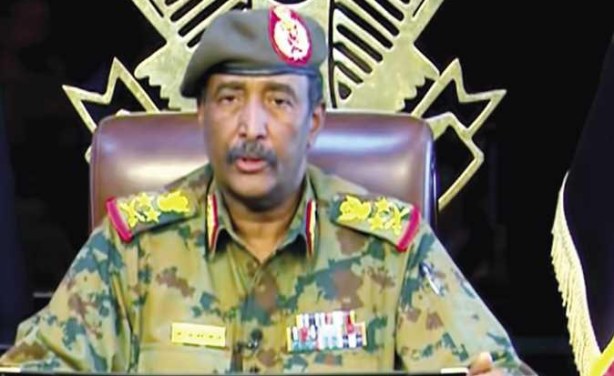
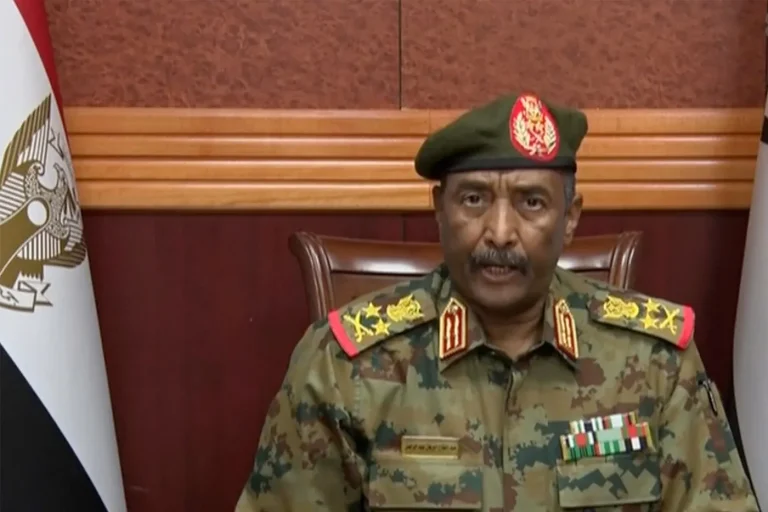
Sudan is preparing for a national dialogue after more than three years of war, but the initiative already appears compromised because it excludes the army chief’s principal opponent.
General Abdel Fattah al-Burhan, who leads the national armed forces, called for the dialogue in mid-August, saying it would help establish lasting peace. Consultations have since begun and are continuing in Khartoum.
Yet al-Burhan has left out Mohamed Hamdan Dagalo, better known as Hemetti, the commander of the Rapid Support Forces. The exclusion is difficult to understand, because the RSF is not only a military force. It also controls a substantial part of Sudanese territory. Any process that leaves it outside the room risks falling far short of a settlement.
The army chief, the commentary argues, should have extended a hand to his main adversary, even if Hemetti ultimately refused the offer. Instead, excluding him could make the RSF leader appear more sympathetic to some of his opponents. The same argument applies to the broader social, political and military forces that would need to take part if the dialogue is to silence the guns for good.
Other influential groups have also rejected al-Burhan’s outreach. Political and civil-society actors meeting in Addis Ababa said they opposed the war but believed the proposed dialogue was intended to legitimize the authority he acquired under contested circumstances.
That leaves the initiative looking less like a national conversation than a monologue. After years of fighting, Sudan has been reduced to ruins and its people are suffering severely. The criticism is blunt: unless al-Burhan changes course and opens the process to all major forces, the dialogue could amount to little more than a superficial remedy for a much deeper wound.
About this summary
Originally published by Le Pays in French. Translated, summarized, and contextualized automatically by DistantNews, with a note on how the source frames the story. Not individually reviewed before publishing. How this works.
More Stories
From Our Blog

What Gets Lost (and Found) When News Is Translated

The Critical Role of Diaspora Media in Global News

What Travellers Should Know About Countries with Restricted Press

A Digital Nomad's Guide to Following Local News

How the Same Story Looks Different in Different Countries
