


Sudan War: Is a Settlement Drawing Closer Amidst Growing Pressure?
Translated from English and summarized by DistantNews. Read the original for the full story.
At a glance
News
Named sources
Context piece
- Sudan faces a critical juncture after over three years of war, with neither side achieving a decisive military victory.
- International pressure is mounting, regional diplomacy is accelerating, and the humanitarian crisis is deepening, prompting questions about a potential settlement.
- Despite historical precedents of long-lasting conflicts, some argue the current war is different due to the clear limits of military strategies and the growing regional and international concerns over state collapse.
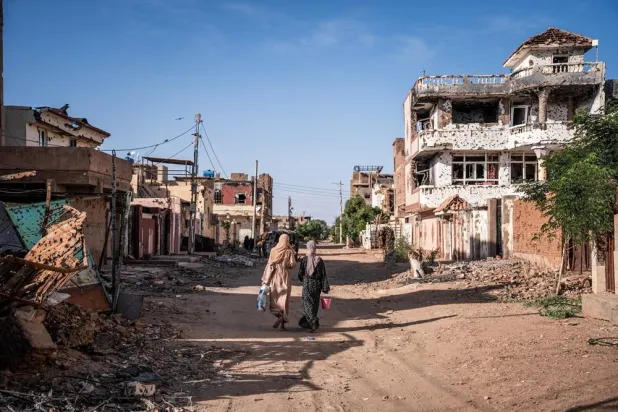
Khartoum – As Sudan grapples with the devastating consequences of a conflict now entering its fourth year, a complex question hangs in the air: Is a settlement finally within reach, or is the nation hurtling towards another protracted period of instability? The fighting between the Sudanese army and the Rapid Support Forces (RSF) rages on, yet the prospect of a swift military victory for either side has proven illusory. This brutal reality has plunged Sudan into one of the world's most severe humanitarian crises.
Sudan's history is unfortunately replete with long and arduous wars. The first civil war in the South lasted 17 years, followed by a second that endured for 22 years. The Darfur conflict also spanned approximately 17 years. These past conflicts only concluded after arduous returns to dialogue and peace. This historical backdrop fuels deep-seated fears among many Sudanese that the current conflict could become yet another chapter in the nation's legacy of open-ended wars.
There was 'no military solution' to the conflict in Sudan and pointed to an 'international consensus' on pushing the parties toward negotiations and a ceasefire.
However, a growing number of observers believe this conflict might represent a departure from the past. The widespread battles, extending from Khartoum to Darfur and beyond, have failed to yield a decisive outcome. Instead, they have exacerbated the humanitarian catastrophe. Simultaneously, the international community's concern is escalating. Fears of regional destabilization, particularly in the Horn of Africa, coupled with rising displacement and irregular migration, have spurred Western and regional powers to intensify diplomatic efforts.
The recent Berlin conference, where numerous nations and organizations declared that Sudan's crisis "cannot be resolved militarily," marked a significant diplomatic milestone. The United States and the European Union are actively pursuing a ceasefire, driven by the apprehension that the ongoing instability could lead to the complete collapse of the Sudanese state—a scenario that alarms Sudan's neighbors and international actors alike. While a settlement is not imminent, this convergence of diplomatic pressure signals a growing conviction among influential powers that the current trajectory is unsustainable and potentially catastrophic.
Sudan’s crisis “cannot be resolved militarily” and voiced clear support for a comprehensive negotiating track.
About this summary
Originally published by Asharq Al-Awsat in English. Translated, summarized, and contextualized automatically by DistantNews, with a note on how the source frames the story. Not individually reviewed before publishing. How this works.
More Stories

From Our Blog

News in Translation: What Gets Lost, and How We Keep the Framing

Diaspora Media: How Communities Abroad Follow Home

Traveling Where the Press Is Not Free: How to Read the News There

The Digital Nomad's Guide to Local News

The Same Story, Different Countries: How Coverage Changes at the Border
