

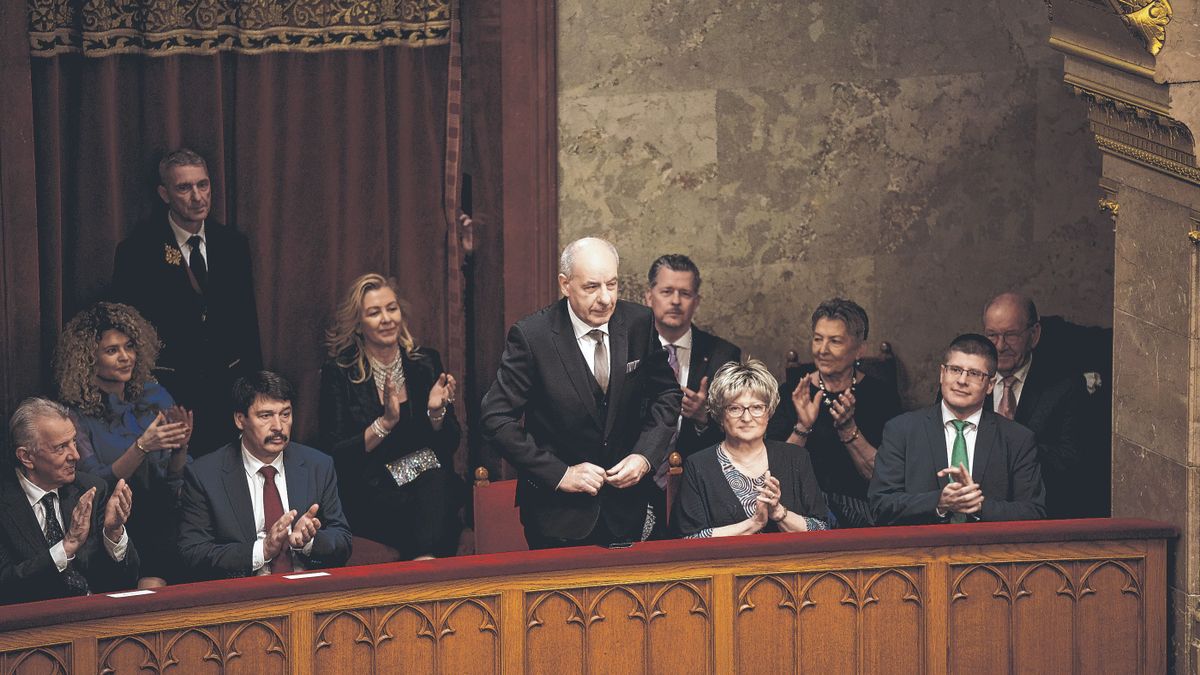
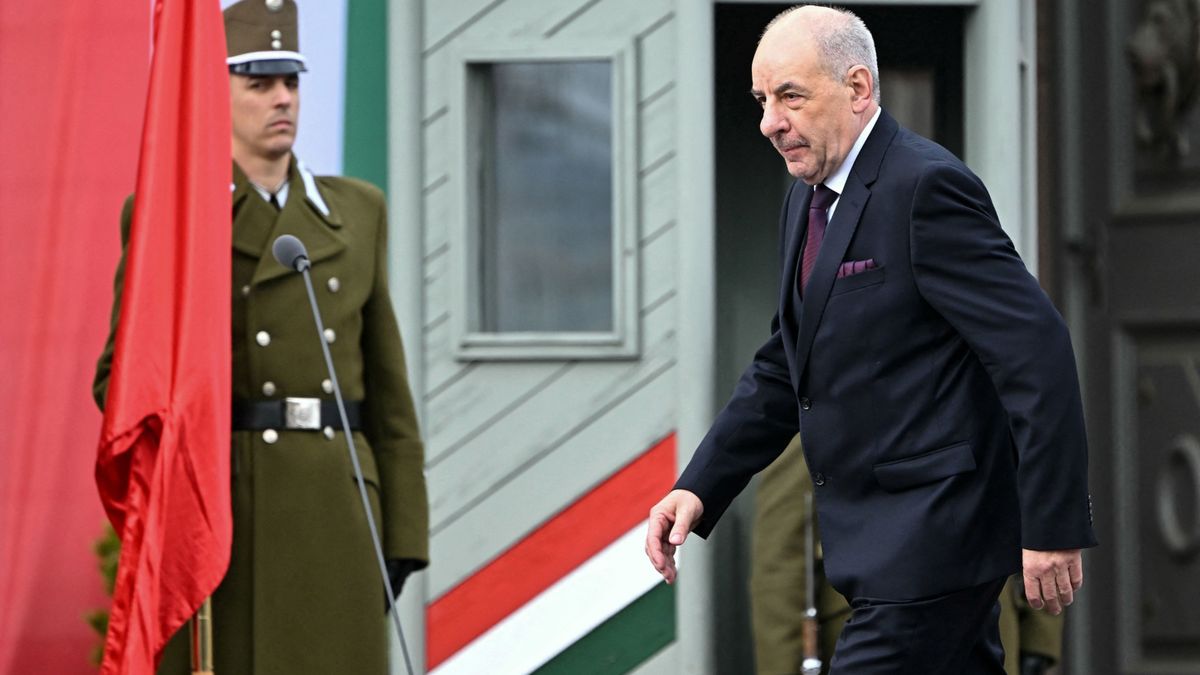
Sulyok signed constitutional amendment under duress and threat, constituting legal violence
Translated from Hungarian, summarized and contextualized by DistantNews.
At a glance
Analysis
Named sources
Context piece
- Constitutional lawyer Zoltán Lomnici Jr. claims Hungarian President Tamás Sulyok signed a constitutional amendment under duress and threat.
- Lomnici argues this act violates EU rule-of-law practices and weakens the independence of the Constitutional Court and the presidency.
- He urges the EU to activate mechanisms like the rule-of-law conditionality and Article 7 procedure, warning of further EU fund freezes.
Constitutional lawyer Zoltán Lomnici Jr. asserts that Hungarian President Tamás Sulyok signed a recent amendment to the Fundamental Law under duress and threat, labeling the act as "legal violence" and questioning the legitimacy of Sulyok's successor and any new constitutional judges.
This step severely violates the rule-of-law practices developed by the Court of Justice of the European Union.
Lomnici argues that this move severely violates the rule-of-law practices established by the Court of Justice of the European Union (CJEU). He points to numerous CJEU rulings that prohibit political majorities from arbitrarily interfering with the independence of the judiciary and constitutional institutions, citing Article 2 of the EU Treaty which upholds the rule of law, separation of powers, and judicial independence.
According to Lomnici, the current constitutional amendment weakens or subjugates both the Constitutional Court and the presidential office. He believes this situation necessitates immediate action from the European Union. Lomnici urged Commission President Ursula von der Leyen and Commissioner for Justice Didier Reynders to activate available mechanisms, including the rule-of-law conditionality framework, the Article 7 procedure, or further freezing of funds.
The core systemic problem is the lack of transparency and accountability.
Hungary has already faced significant cuts in EU funding due to previous rule-of-law deficiencies, and Lomnici warns that this latest action will exacerbate the situation. He also anticipates that the Venice Commission, the Council of Europe's advisory body on constitutional matters, will issue a critical opinion on the amendment in October. Such an opinion, he suggests, would further strengthen the basis for EU action, potentially leading to the withholding or blocking of EU funds.
Therefore, the European Union must now act.
DistantNews Editorial
Originally published by Magyar Nemzet in Hungarian. Translated, summarized, and contextualized by our editorial team with added local perspective. Read our editorial standards.
More Stories

From Our Blog

Countries Without a Free Press: What You Need to Know

What Press Freedom Means for the News You Read

What Gets Lost (and Found) When News Is Translated

The Critical Role of Diaspora Media in Global News

What Travellers Should Know About Countries with Restricted Press
