


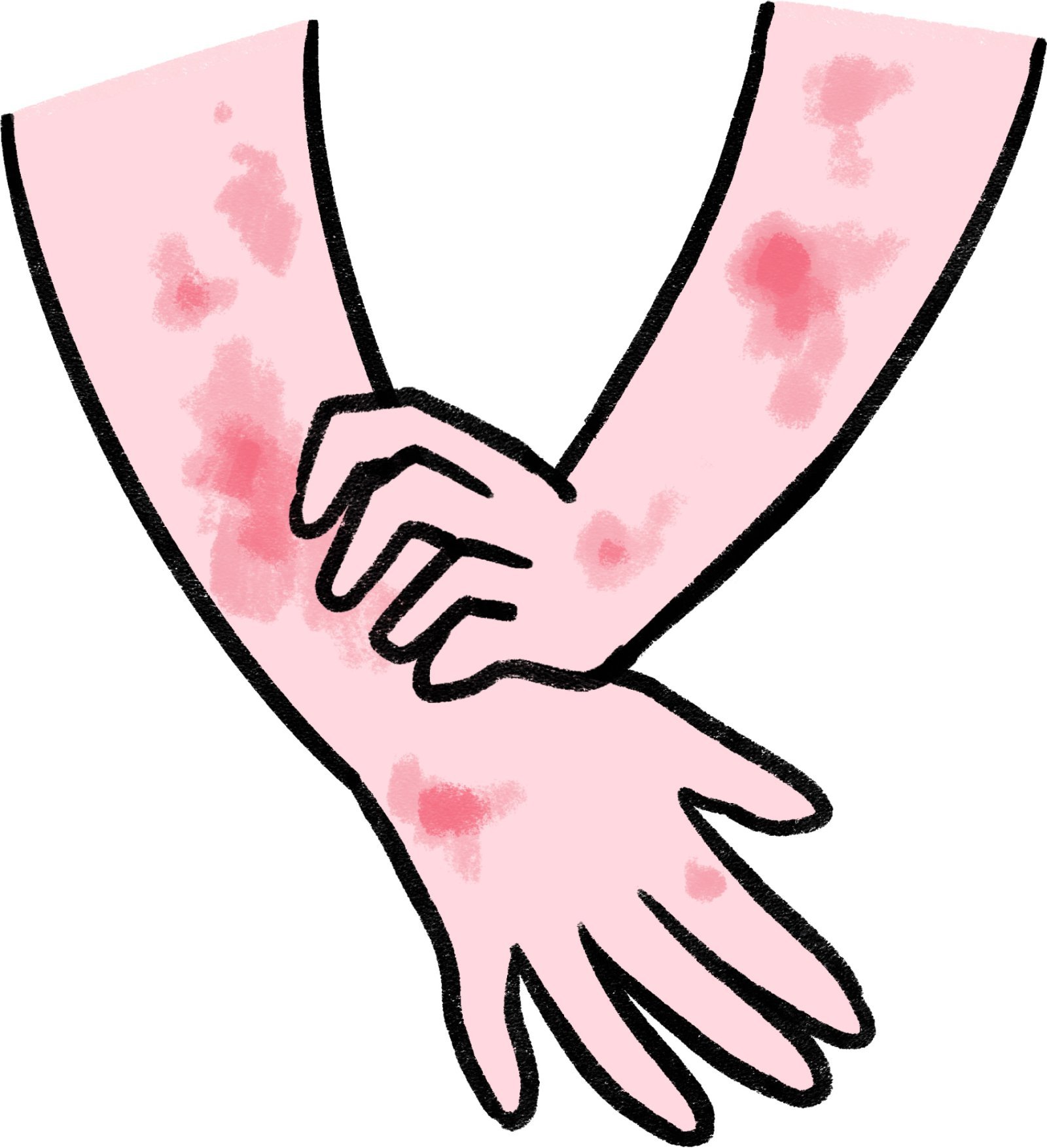
Summer Heat Worsens Eczema, Experts Advise Vigilance
Translated from Korean, summarized and contextualized by DistantNews.
At a glance
News
Sources not specified
Context piece
- Summer's heat, humidity, and increased sun exposure can worsen atopic dermatitis (eczema), contrary to the belief that it only flares in winter.
- Factors like sweat, increased sebum, and potential bacterial growth irritate the skin barrier, leading to itching and inflammation.
- Proper cleansing, adequate moisturizing, and medical treatment are crucial for managing summer flare-ups, with a dermatologist consultation recommended for severe cases.
Contrary to common belief, summer's environmental conditions can significantly aggravate atopic dermatitis, commonly known as eczema. While often associated with dry winter air, the high temperatures, humidity, and intense sunlight of summer create a challenging environment for individuals with this chronic inflammatory skin condition.
During warmer months, increased sweat and sebum production can irritate the skin barrier. Sweat, though hydrating, can dry out the skin as it evaporates, leaving behind salts and waste products that act as irritants. For those with atopic dermatitis, this can trigger intense itching and inflammation, a phenomenon often exacerbated by a heightened sensitivity to their own sweat.
Summer atopic dermatitis is easily exacerbated by complex factors such as sweat, ultraviolet rays, and bacterial growth.
Furthermore, the warm and humid climate promotes the growth of bacteria and fungi, increasing the risk of secondary infections. Frequent water activities and showers, while seemingly cleansing, can also disrupt the skin's delicate balance if not followed by proper care. The strong ultraviolet radiation from the sun also poses a risk to compromised skin.
Medical experts emphasize that managing summer flare-ups requires a multi-faceted approach. This includes wearing soft cotton clothing, ensuring thorough rinsing after washing to remove detergent residue, and maintaining consistent skin hydration. For those experiencing severe symptoms, such as oozing or crusting, or if itching significantly disrupts sleep and daily life, seeking professional dermatological advice is essential. Delaying treatment in favor of unverified home remedies can lead to missed opportunities for effective management and worsening of the condition.
Atopic dermatitis requires treatment that breaks the cycle of dryness and inflammation, so if symptoms recur or worsen, it is advisable to consult a specialist without delay.
DistantNews Editorial
Originally published by Dong-A Ilbo in Korean. Translated, summarized, and contextualized by our editorial team with added local perspective. Read our editorial standards.
More Stories



From Our Blog

What Gets Lost (and Found) When News Is Translated

The Critical Role of Diaspora Media in Global News

What Travellers Should Know About Countries with Restricted Press

A Digital Nomad's Guide to Following Local News

How the Same Story Looks Different in Different Countries
