


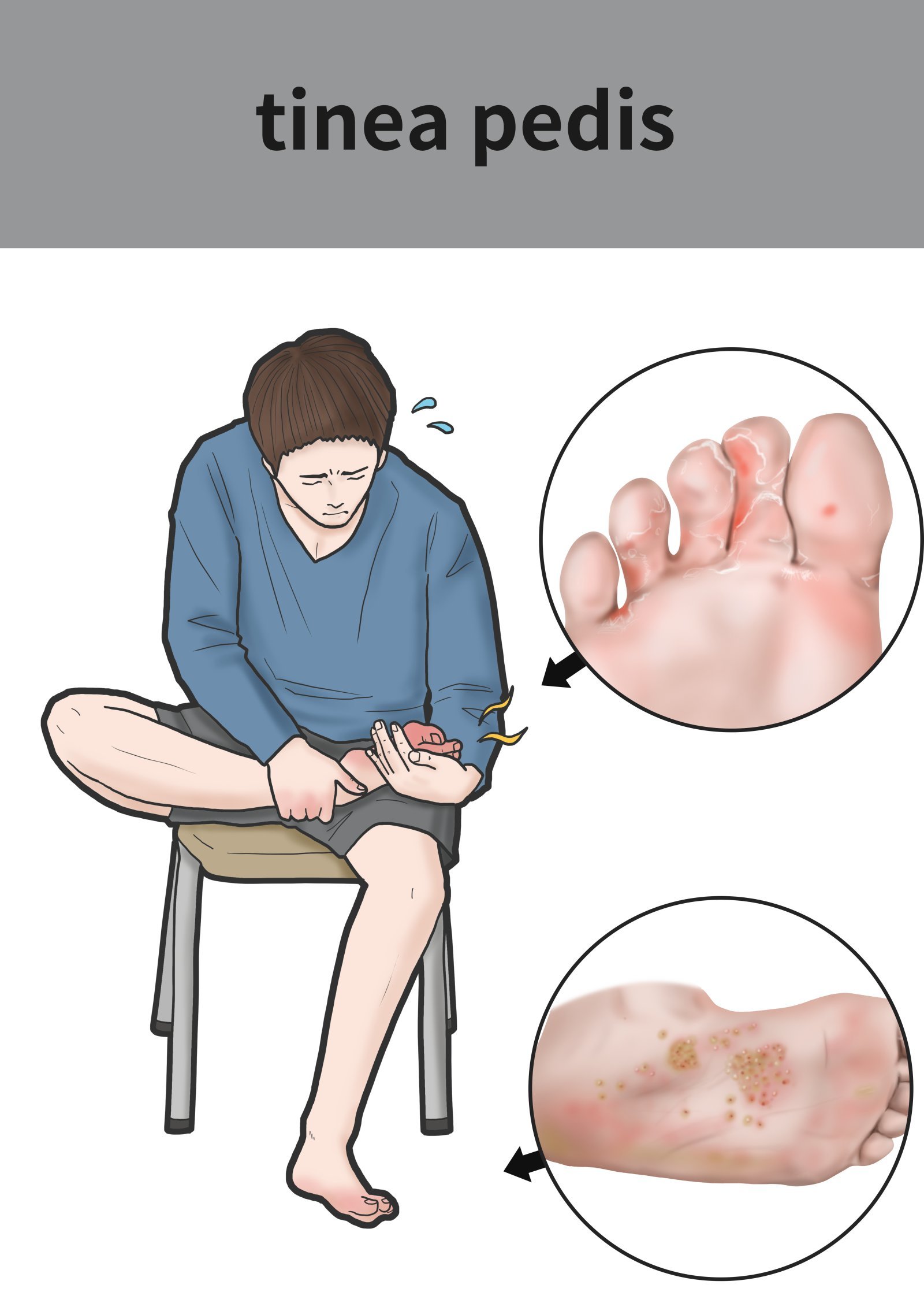
Summer Heat Worsens Fungal Skin Infections Like Athlete's Foot, Doctors Warn
Translated from Korean, summarized and contextualized by DistantNews.
At a glance
News
Sources not specified
Context piece
- Athlete's foot, a fungal skin infection, is particularly prevalent during the hot and humid summer months.
- Symptoms include severe itching, blisters, and peeling skin, and can lead to complications like cellulitis if untreated.
- Early detection and proper treatment by a dermatologist are crucial, as self-treatment can worsen the condition.
The humid and hot weather of summer creates an ideal environment for the proliferation of fungal infections on the skin, leading to a significant increase in patients seeking dermatological care for conditions like athlete's foot and tinea versicolor. Both are common but prone to recurrence, making early intervention essential.
Athlete's foot treatment is primarily by applying antifungal ointment to the affected area or taking oral antifungal medication for 4-6 weeks.
Athlete's foot, caused by dermatophytes, typically affects areas prone to sweat, such as the soles and between the toes. Its hallmark symptoms are intense itching, small blisters, oozing, and thickened, peeling skin. In severe cases, cracked skin can allow bacteria to enter, leading to secondary infections like cellulitis, an inflammation of the skin and subcutaneous tissue.
Dr. Min Joon-hong of Kangbuk Samsung Hospital's dermatology department advises that athlete's foot treatment usually involves topical antifungal ointments or a 4-6 week course of oral antifungal medication. For severe cases with oozing or secondary bacterial infections, wet compresses, dressings, and antibiotics may be necessary. He warns against self-medicating with eczema creams, which can exacerbate the condition or cause it to spread.
If symptoms are suspected, it is important to receive active and safe treatment.
Tinea versicolor, another fungal infection, presents as discolored patches on the skin, often starting on the trunk and spreading outwards. Caused by a different fungus, Malassezia, it thrives in moist skin conditions. While treatable with antifungals, recurrence is common if exposed to humid environments. Dr. Min stresses the importance of professional diagnosis and treatment over self-care.
If the symptoms have already started, it is important to visit a dermatologist for an accurate diagnosis and treatment rather than relying on self-diagnosis and treatment.
Preventative measures include daily washing to maintain cleanliness and thorough drying of the feet, especially between the toes. Wearing breathable footwear like sandals during summer and going barefoot at home can also help improve ventilation and reduce the risk of fungal infections.
It is important to wash at least once a day to maintain cleanliness, and after washing, dry areas like between the toes thoroughly.
DistantNews Editorial
Originally published by Dong-A Ilbo in Korean. Translated, summarized, and contextualized by our editorial team with added local perspective. Read our editorial standards.
More Stories



From Our Blog

What Gets Lost (and Found) When News Is Translated

The Critical Role of Diaspora Media in Global News

What Travellers Should Know About Countries with Restricted Press

A Digital Nomad's Guide to Following Local News

How the Same Story Looks Different in Different Countries
