


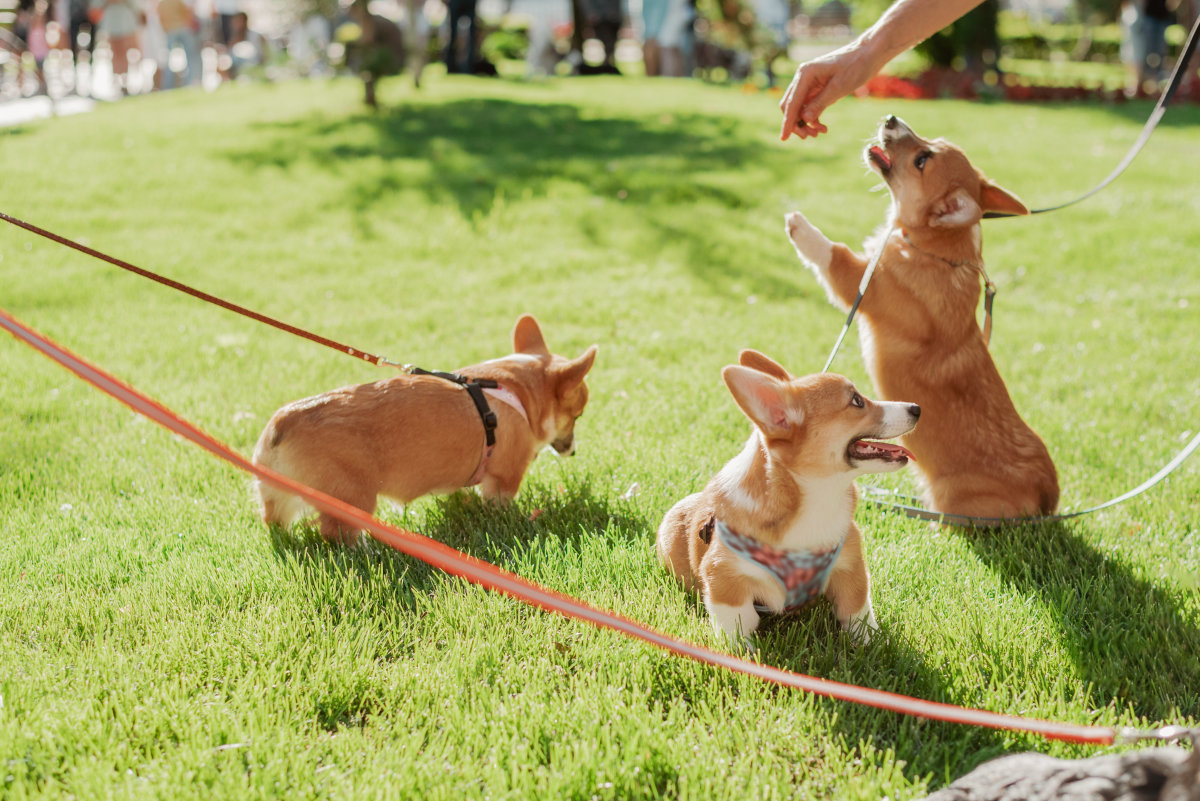
Summer travel safety tips for dog owners
Translated from Korean, summarized and contextualized by DistantNews.
At a glance
In-depth
Sources not specified
Context piece
- Pet owners should take precautions when traveling with their dogs during summer to ensure their safety and well-being.
- Key safety measures include checking accommodation rules, administering motion sickness medication if needed, and protecting paws from hot surfaces.
- Owners must also prevent dogs from eating fatty foods during barbecues and never leave them unattended in vehicles due to heatstroke risks.
As more people choose to travel with their pets, ensuring a safe and enjoyable summer vacation for dogs requires careful planning and adherence to specific safety guidelines. With an increase in pet-friendly accommodations, owners must be aware of potential risks and take preventative measures.
Before embarking on a trip, it's crucial to verify the specific rules of pet-friendly accommodations. Many establishments have regulations regarding weight, breed, and vaccination status to prevent accidents and the spread of diseases. Ensuring vaccinations are up-to-date at least a week before departure allows time to monitor for any adverse reactions.
If you suspect heatstroke, move the dog to a cool place immediately and gently lower its body temperature with lukewarm water. Using very cold water or ice can constrict surface blood vessels, hindering heat dissipation.
For long car journeys, consulting a veterinarian about motion sickness medication is recommended. Dogs, even those accustomed to short trips, can experience travel sickness. Symptoms include excessive drooling, panting, and anxiety. Administering medication before the trip, ideally with a small amount of food on an empty stomach, can help mitigate these issues.
Even if they seem to recover, don't let your guard down and seek veterinary examination immediately. Serious complications like rhabdomyolysis, acute kidney injury, non-cardiogenic pulmonary edema, and disseminated intravascular coagulation can occur later.
Protecting a dog's paws from hot surfaces is paramount during summer. Artificial turf, hot gravel, and beach sand can cause severe burns. Owners should consider protective booties or schedule walks for cooler parts of the day, such as early morning or late evening. If a dog shows signs of paw injury, such as excessive licking or limping, immediate veterinary attention is necessary.
During outdoor activities like barbecues, owners must prevent their dogs from consuming fatty foods, which can lead to pancreatitis, a serious condition. Additionally, never leave a dog unattended in a vehicle, even for short periods. Temperatures inside a car can rise rapidly, leading to heatstroke, which is particularly dangerous for brachycephalic breeds, large dogs, and overweight dogs. Immediate cooling and veterinary care are essential if heatstroke is suspected.
The key is simple: avoid hot places, don't give them things they shouldn't eat, and never leave them alone in the car. Remembering these three things can prevent most accidents.
DistantNews Editorial
Originally published by Dong-A Ilbo in Korean. Translated, summarized, and contextualized by our editorial team with added local perspective. Read our editorial standards.
More Stories


From Our Blog

What Gets Lost (and Found) When News Is Translated

The Critical Role of Diaspora Media in Global News

What Travellers Should Know About Countries with Restricted Press

A Digital Nomad's Guide to Following Local News

How the Same Story Looks Different in Different Countries
