


Super El Niño Threatens 15.8% Global Food Price Hike on Top of Iran War Impact
Translated from Korean, summarized and contextualized by DistantNews.
At a glance
News
Sources not specified
Context piece
- Global food commodity prices could rise by 15.8% if a strong El Niño develops, according to Goldman Sachs.
- This potential price surge comes on top of existing increases driven by the Iran war, which have already pushed food prices to near three-year highs.
- The impact of crop damage from El Niño-related droughts and floods could be felt through transportation and supply chains until late 2028.
The specter of a "super El Niño" looms over global food markets, threatening to exacerbate already high prices driven by the ongoing conflict in Iran. The U.S. National Oceanic and Atmospheric Administration (NOAA) estimates a 63% chance that the current El Niño will develop into a "very strong" phase by year's end. This scenario could trigger a significant surge in international food commodity prices, with Goldman Sachs projecting a potential 15.8% increase.
The probability of developing into a 'very strong' phase by the end of the year is 63%.
This projected rise encompasses key commodities like wheat, rice, sugar, palm oil, and coffee. Goldman Sachs estimates this could lead to a 1.3% increase in food consumer prices within the Eurozone. The situation is compounded by existing supply chain disruptions and increased energy and transportation costs stemming from the Iran war. The UN's Food and Agriculture Organization (FAO) food price index had already reached its highest point in over three years in April.
International food commodity prices could rise by 15.8%.
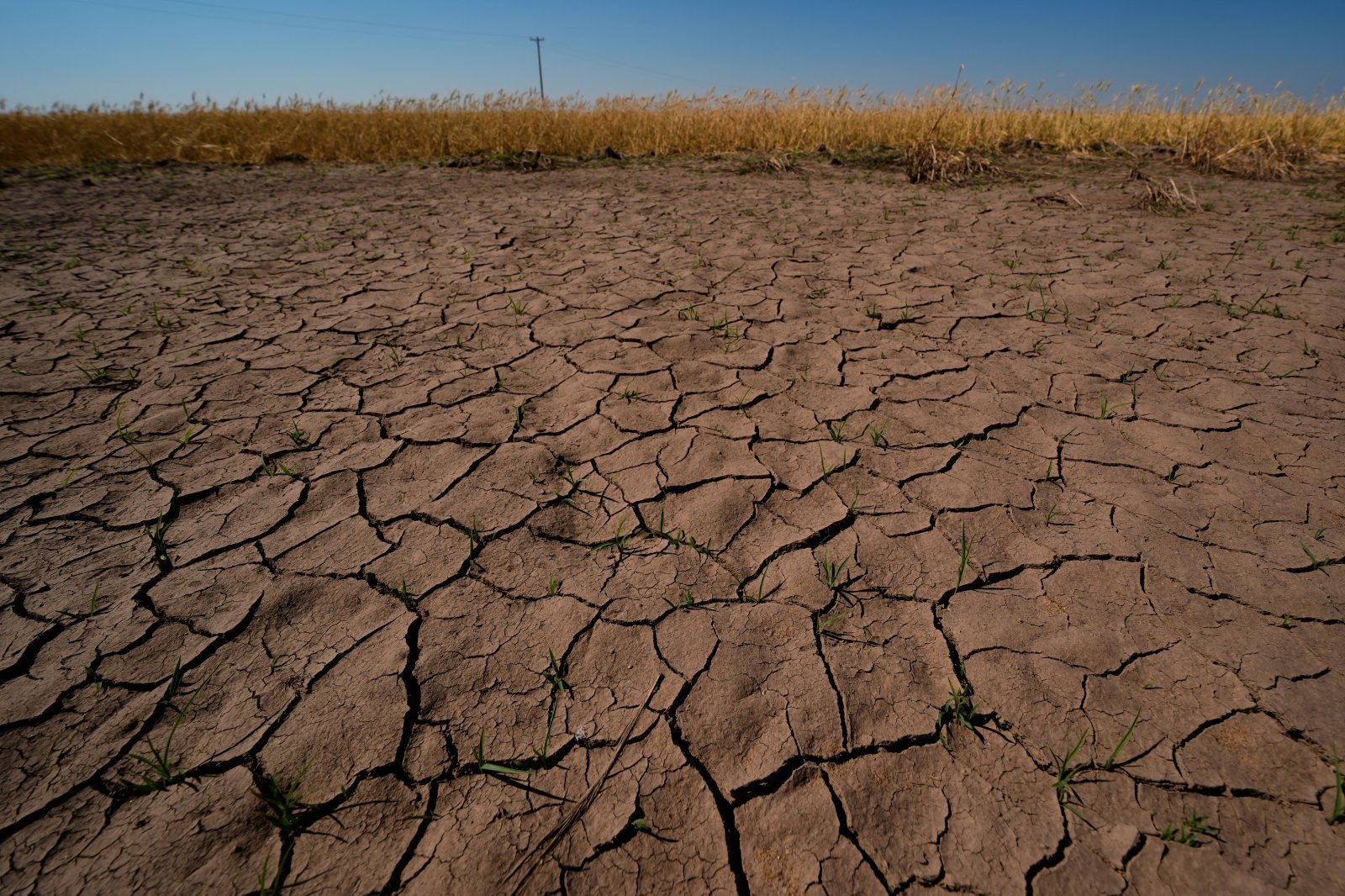
El Niño's impact is expected to manifest as droughts and floods, disrupting agricultural output in critical regions. India has already experienced significantly below-average monsoon rainfall in some areas, potentially affecting wheat and rice supplies. Southeast Asia faces reduced palm oil production due to drought, while coffee and cocoa harvests could also suffer. Conversely, some regions in South America might experience increased rainfall, leading to flood risks.
Even a small supply disruption could cause prices to jump much more than in the past.
The full impact on consumer prices may take years to materialize, with Goldman Sachs predicting effects could linger until the second half of 2028. This is due to staggered planting, growing, and harvesting seasons for different crops, as well as transportation challenges caused by low water levels in canals and rivers. Unicredit estimates that an extreme El Niño could reduce global agricultural production by 14.3%, translating to a $342 billion loss, with vulnerable items like rice, palm oil, sugar, and coffee potentially seeing price hikes of 50-100%.
Current inventory and procurement capacity are acting as a buffer, but there is little room to absorb additional shocks.
DistantNews Editorial
Originally published by Dong-A Ilbo in Korean. Translated, summarized, and contextualized by our editorial team with added local perspective. Read our editorial standards.
More Stories


From Our Blog

What Gets Lost (and Found) When News Is Translated

The Critical Role of Diaspora Media in Global News

What Travellers Should Know About Countries with Restricted Press

A Digital Nomad's Guide to Following Local News

How the Same Story Looks Different in Different Countries
