


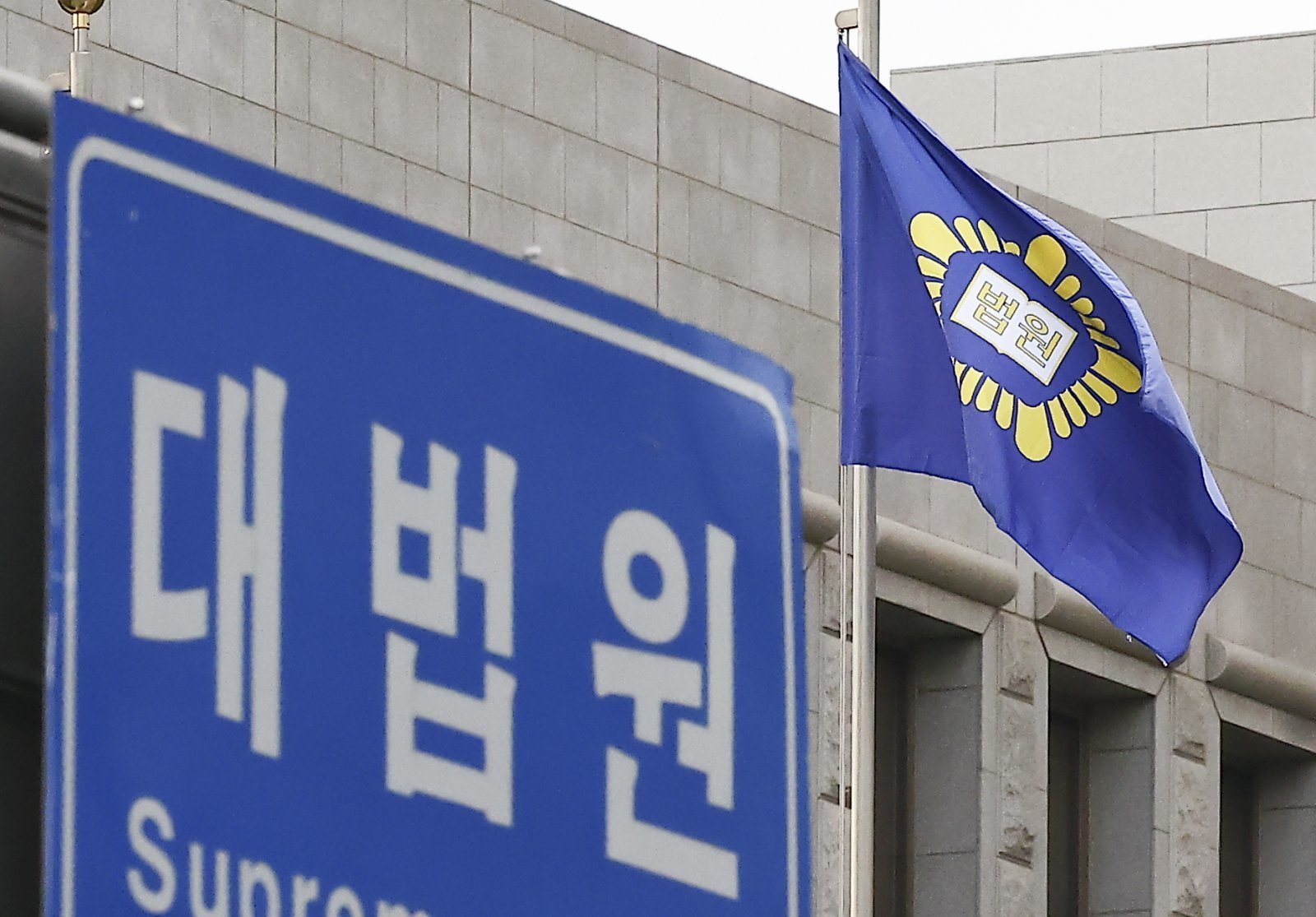
Supreme Court: Prosecutor's Intent Key in Dismissing Cases Under New Law
Translated from Korean, summarized and contextualized by DistantNews.
At a glance
News
Official statement
New plan
- South Korea's Supreme Court has commented on the expansion of grounds for dismissing public prosecution.
- The court stated that decisions should be made by comprehensively considering the prosecutor's intent and other factors.
- The Supreme Court indicated that precedents will establish the criteria for determining abuse of prosecutorial power.
The Supreme Court of South Korea has weighed in on the recent legislative changes expanding the conditions under which public prosecutions can be dismissed. In a statement provided to lawmaker Kim Tae-kyu of the People Power Party, the court's Judicial Administration Office emphasized that such decisions require a comprehensive assessment, including the prosecutor's intent.
The revisions to the Criminal Procedure Act, passed by the National Assembly largely through the efforts of the Democratic Party, introduce new grounds for dismissal. These include cases where prosecution is based on "investigations with significant illegality" or when it "manifestly deviates from the discretion of prosecution." The court acknowledged these additions in its review.
In its submission, the Supreme Court outlined that a holistic evaluation is necessary, considering "the circumstances of the prosecution, the prosecutor's intent, the disadvantage caused to the defendant, and the extent of deviation from prosecutorial discretion." The court referenced existing precedents where abuse of prosecutorial power was not recognized, noting that "discriminatory prosecution, selective prosecution, delayed prosecution, politically motivated prosecution, or separate prosecution alone are difficult to deem as abuse of power." It stressed that arbitrary exercise of power requires more than mere professional negligence; it necessitates at least a subconscious intent.
The Supreme Court further explained that the criteria for judging cases under the new provisions – specifically, prosecution based on illegal investigations or a significant deviation from prosecutorial discretion – are expected to be shaped through future Supreme Court rulings. However, the timing of this submission, shortly before the bill's passage, meant it was not fully discussed during the legislative review process.
DistantNews Editorial
Originally published by Dong-A Ilbo in Korean. Translated, summarized, and contextualized by our editorial team with added local perspective. Read our editorial standards.
More Stories

From Our Blog

What Gets Lost (and Found) When News Is Translated

The Critical Role of Diaspora Media in Global News

What Travellers Should Know About Countries with Restricted Press

A Digital Nomad's Guide to Following Local News

How the Same Story Looks Different in Different Countries
