


Supreme Court Sets Requirements for Euthanasia, Citing 'Premature' Case
Translated from Spanish, summarized and contextualized by DistantNews.
At a glance
News
Official statement
Outcome reported
- Spain's Supreme Court has established new requirements for approving euthanasia requests.
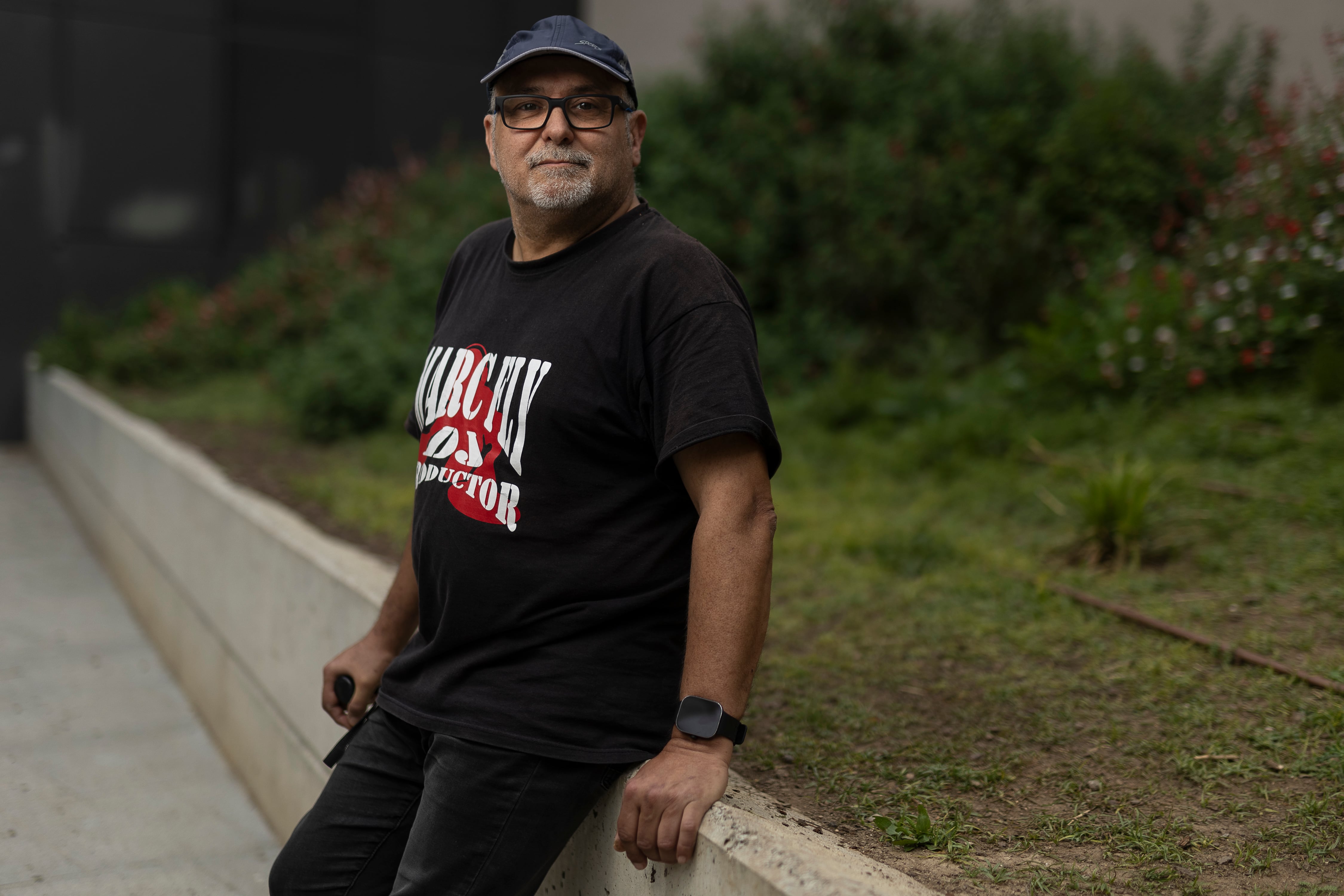
- The court ruled that the assisted death of Francesc Augé was granted prematurely.
- The ruling emphasizes the need for careful consideration of patient's wishes and thorough assessment before granting euthanasia.
Spain's Supreme Court has outlined specific criteria that must be met for the approval of euthanasia requests, following a review of a case where assisted death was granted prematurely. The court's decision clarifies the conditions under which the right to die can be exercised.
The Supreme Court's contentious chamber found that the assisted death of Francesc Augé was granted "prematurely." This ruling suggests that the process leading to Augé's euthanasia did not fully adhere to the established legal and ethical safeguards designed to protect patients and ensure their decisions are fully informed and voluntary.
The court's decision underscores the importance of "convivencia" (coexistence), "empathy," and a deep understanding of the patient's "desire to die." These elements are now central to the requirements for approving euthanasia, indicating a need for a more nuanced and comprehensive evaluation of each case beyond a simple medical or legal checklist.
This judicial clarification aims to ensure that the application of Spain's euthanasia law is both consistent and compassionate, balancing the patient's right to autonomy with the state's responsibility to safeguard vulnerable individuals. The ruling sets a precedent for future cases, emphasizing rigorous assessment and genuine empathy in the process.
DistantNews Editorial
Originally published by El País in Spanish. Translated, summarized, and contextualized by our editorial team with added local perspective. Read our editorial standards.
More Stories


From Our Blog

What Gets Lost (and Found) When News Is Translated

The Critical Role of Diaspora Media in Global News

What Travellers Should Know About Countries with Restricted Press

A Digital Nomad's Guide to Following Local News

How the Same Story Looks Different in Different Countries
