


Surging food prices pile pressure on consumers as festivals approach in Nepal
Translated from English, summarized and contextualized by DistantNews.
At a glance
News
Named sources
Context piece
- Households in Nepal face rising prices for essential goods like rice, oil, and vegetables, impacting budgets ahead of major festivals.
- Traders cite higher import costs and seasonal shortages, while consumer advocates blame weak market oversight and profiteering.
- The price surge, exacerbated by a cooking gas shortage, affects staple foods and vegetables, with some prices more than doubling.
Consumers across Nepal are feeling the pinch as prices for essential food items like rice, edible oil, pulses, vegetables, and eggs continue to climb. This surge in costs strains household budgets just months before the Dashain and Tihar festivals, traditionally periods of increased spending.
The price of paddy in India has increased by 800 to 900 Indian rupees per quintal. Once transport costs, milling expenses and customs duties are added, the increase is reflected in retail prices.
Traders attribute the price hikes to a combination of factors, including increased import costs, seasonal supply shortages, and higher transportation expenses. However, consumer rights advocates argue that a lack of robust market oversight has created an environment ripe for profiteering, especially as demand for these goods typically rises.
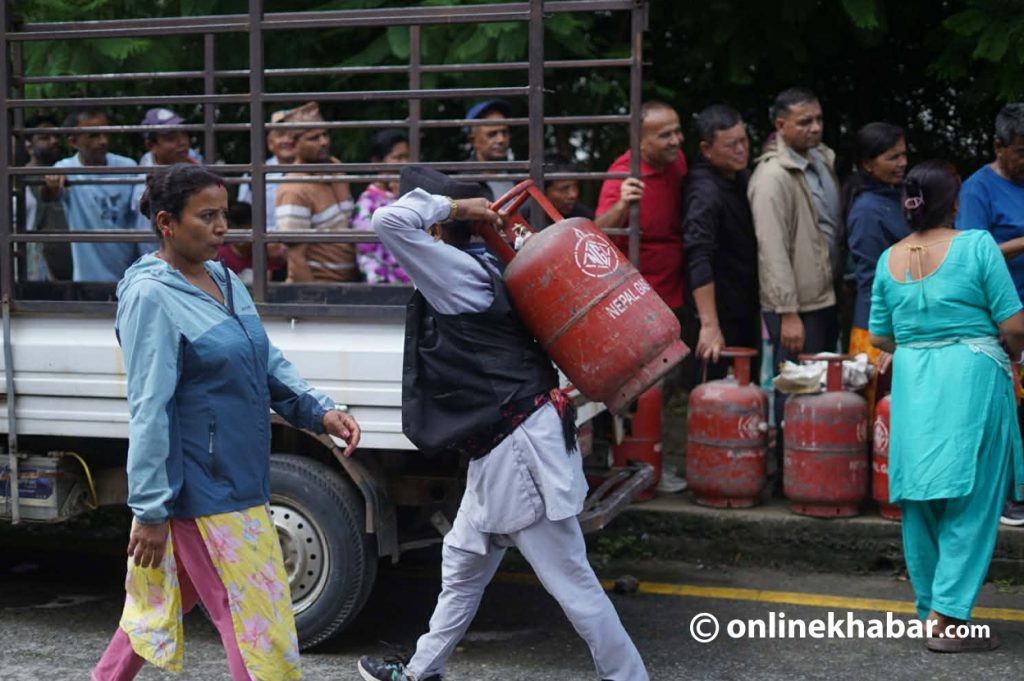
The situation is compounded by an artificial shortage of cooking gas in several parts of the country, adding to the overall concern over the rising cost of living. Rice, a staple food, has seen significant price increases, with some bags costing up to Rs400 more than three months ago. Industry representatives explain that Nepal's reliance on imports, particularly from India, makes it vulnerable to price fluctuations in the neighboring country's market. Recent government fiscal measures, such as a five percent VAT on cargo transport and a 13 percent VAT on non-domestic electricity, have also contributed to increased costs for both transport and milling.
Wholesale prices have increased by Rs300 to Rs400 per bag across most varieties. Nepal does not produce enough paddy to meet domestic demand, so fluctuations in the Indian market immediately affect prices here.
The price increases are not confined to grains. Wholesale prices for several vegetables have also surged, with long eggplant more than tripling in price within a month and bitter gourd seeing a significant jump. Leafy vegetables have experienced even steeper rises, with mustard greens' wholesale price increasing by over 400 percent in the same period, leading to retail prices exceeding Rs200 per kilogram.
The transport VAT alone adds roughly Rs12 to the cost of every bag of rice before it reaches retailers, while higher electricity costs have increased milling expenses.
DistantNews Editorial
Originally published by Kathmandu Post in English. Translated, summarized, and contextualized by our editorial team with added local perspective. Read our editorial standards.
More Stories


From Our Blog

What Gets Lost (and Found) When News Is Translated

The Critical Role of Diaspora Media in Global News

What Travellers Should Know About Countries with Restricted Press

A Digital Nomad's Guide to Following Local News

How the Same Story Looks Different in Different Countries
