


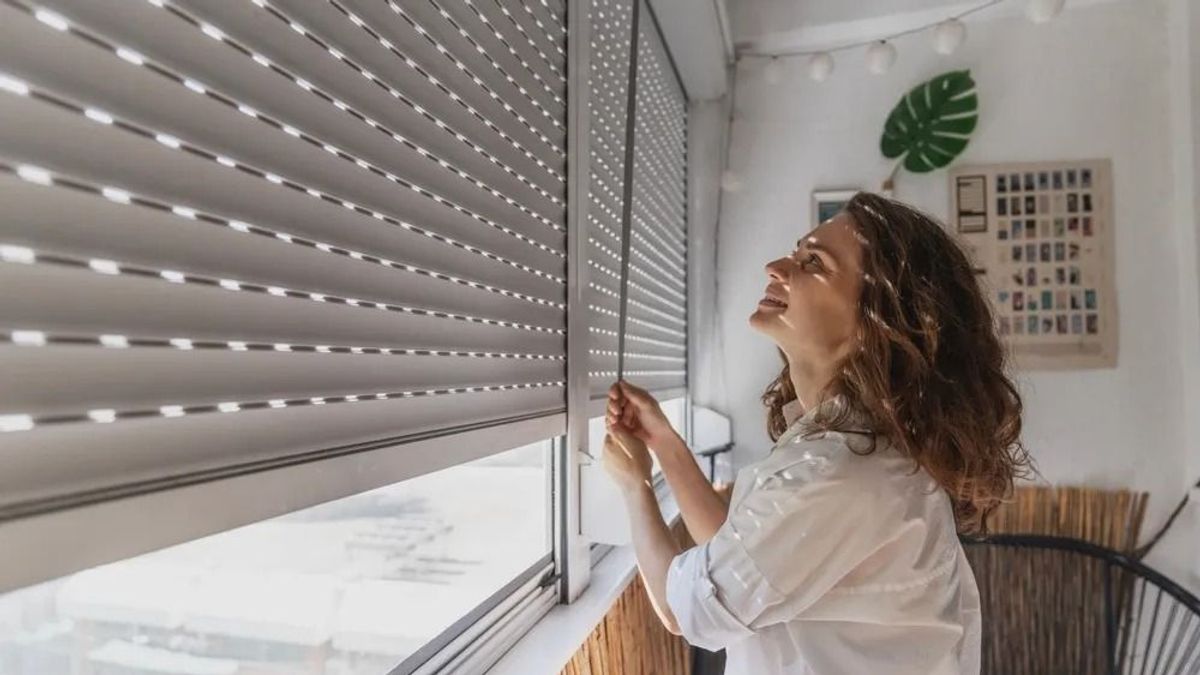
Surprising fact revealed about nighttime blind usage
Translated from Hungarian, summarized and contextualized by DistantNews.
At a glance
In-depth
Sources not specified
Context piece
- Sleep experts suggest that fully closing blackout blinds at night may not be ideal for waking up.
- Natural morning light helps regulate the body's circadian rhythm, signaling it's time to wake up.
- Leaving a small gap in the blinds allows gradual light exposure, preparing the body for waking and potentially reducing morning grogginess.
While many instinctively pull their blackout blinds completely shut at bedtime, believing darkness equals better sleep, experts suggest this might hinder our morning wake-up process. The common assumption that maximum darkness is always best for sleep is being challenged by insights into our body's natural rhythms.
Our internal biological clock, known as the circadian rhythm, is heavily influenced by natural light. As dawn breaks, light entering our eyes signals the brain that it's time to wake up. This triggers a decrease in melatonin, the sleep-inducing hormone, and a rise in hormones that promote alertness.
To facilitate a more natural awakening, sleep specialists recommend not closing blinds entirely. Leaving a small gap allows the first light of dawn to gradually enter the bedroom. This gentle exposure helps prepare the body for waking, aligning our internal clock more effectively. Individuals who consistently sleep in complete darkness and rely solely on alarm clocks may find themselves feeling groggier and more fatigued in the morning, as their bodies miss this crucial light cue.
Beyond sleep, the way blinds are positioned also impacts room ventilation and temperature regulation, particularly during warmer months. While closed blinds can help keep interiors cool during the day by blocking sunlight, their nighttime positioning involves different considerations related to light exposure and air circulation.
DistantNews Editorial
Originally published by Magyar Nemzet in Hungarian. Translated, summarized, and contextualized by our editorial team with added local perspective. Read our editorial standards.
More Stories



From Our Blog

Countries Without a Free Press: What You Need to Know

What Press Freedom Means for the News You Read

What Gets Lost (and Found) When News Is Translated

The Critical Role of Diaspora Media in Global News

What Travellers Should Know About Countries with Restricted Press
