


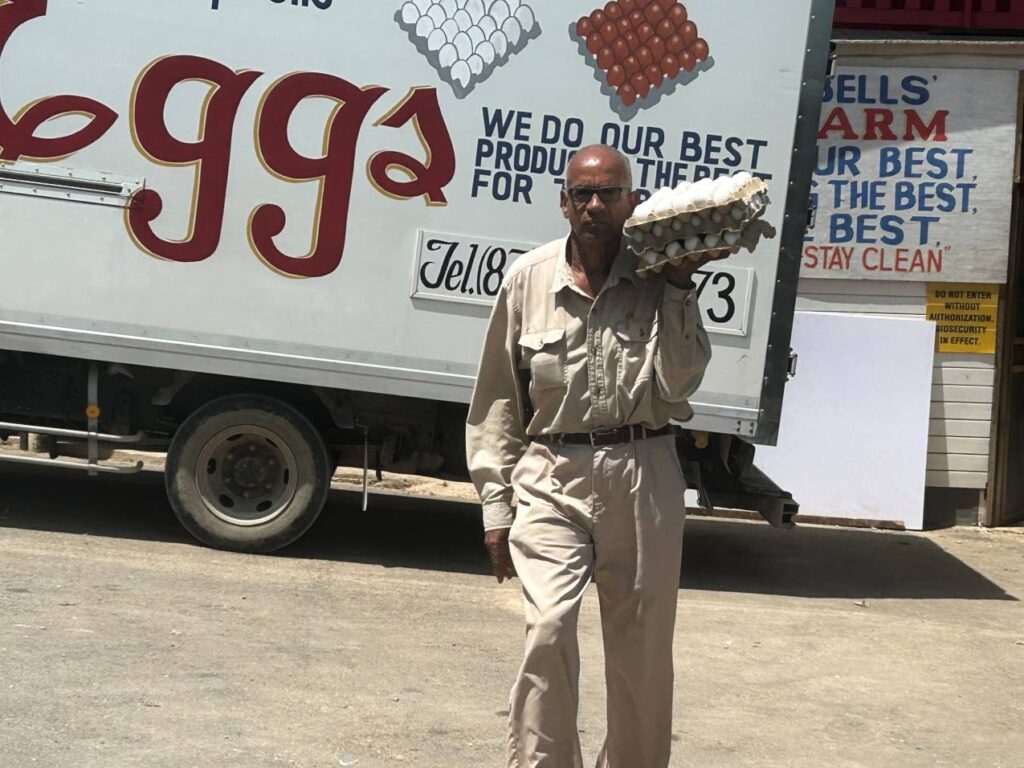
Sweltering heat threatens egg industry
Summarized and contextualized by DistantNews.
At a glance
News
Named sources
Ongoing story
- The Jamaican Egg Farmers Association (JEFA) is urging members to protect their flocks from an ongoing heatwave causing significant losses.
- Laying hens are dying from heat stress, particularly on the island's south coast, leading to millions of dollars in losses from bird deaths and reduced egg production.
- JEFA recommends measures like installing irrigation systems, improving insulation in poultry houses, and adjusting feeding schedules to mitigate the impact of high temperatures.
Jamaica's egg industry is facing a severe threat from an ongoing heatwave, prompting the Jamaica Egg Farmers Association (JEFA) to urge its members to implement protective measures for their flocks. The extreme temperatures are taking a significant toll on egg production and have already led to the deaths of hundreds of birds.
This year, 2026, the egg industry has come under sweltering heat, and a number of farmers, particularly those on the south side of the island, St Elizabeth, and Clarendon, they have suffered heavy losses. One farmer over there told me that he has lost over 700 chickens because of the heat that is on the land. And another farmer on the same south side of the island lost over 600 chickens. Now, those two figures run into millions of dollars just in the cost to purchase these chickens. And then the opportunity that has been lost is significant.
Mark Campbell, president of JEFA, highlighted the devastating impact on farmers, especially along the island's south coast in parishes like St. Elizabeth and Clarendon. He reported instances where farmers have lost over 700 chickens due to heat stress, translating into millions of dollars in replacement costs and lost income from diminished egg output. This situation adds to the industry's challenges, as it was already recovering from the effects of hurricanes Beryl and Melissa.
Campbell explained that laying hens are most productive in temperatures between 60 and 70 degrees Fahrenheit and become critically vulnerable as temperatures approach their body temperature of around 106 degrees Fahrenheit. He recommended that farmers install irrigation systems or sprinklers on the roofs of poultry houses to cool them down, particularly during the hottest hours of the day. He also advised incorporating adequate roof height and insulation in new constructions.
The heat that radiates off these roofs and goes down to the chickens is what really hurts them. Once the temperature comes up to the body temperature of the chicken, the bird is going to die.
Further recommendations from JEFA include adjusting feeding times to cooler morning hours, modifying lighting schedules to encourage earlier feeding, and providing vitamin supplements to maintain feed intake. Campbell stressed the urgent need for farmers to prepare for periods of elevated heat, as laying birds are highly susceptible. Heat-stressed chickens often reduce their feed intake, leading to a potential drop in egg production by 50 to 70 percent if exposure to excessive heat continues.
We have to start looking at how we are going to prepare for periods of elevated heat because laying birds cannot deal with heat at all.
DistantNews Editorial
Originally published by Jamaica Observer. Summarized and contextualized by our editorial team with added local perspective. Read our editorial standards.
More Stories



From Our Blog

What Gets Lost (and Found) When News Is Translated

The Critical Role of Diaspora Media in Global News

What Travellers Should Know About Countries with Restricted Press

A Digital Nomad's Guide to Following Local News

How the Same Story Looks Different in Different Countries
