

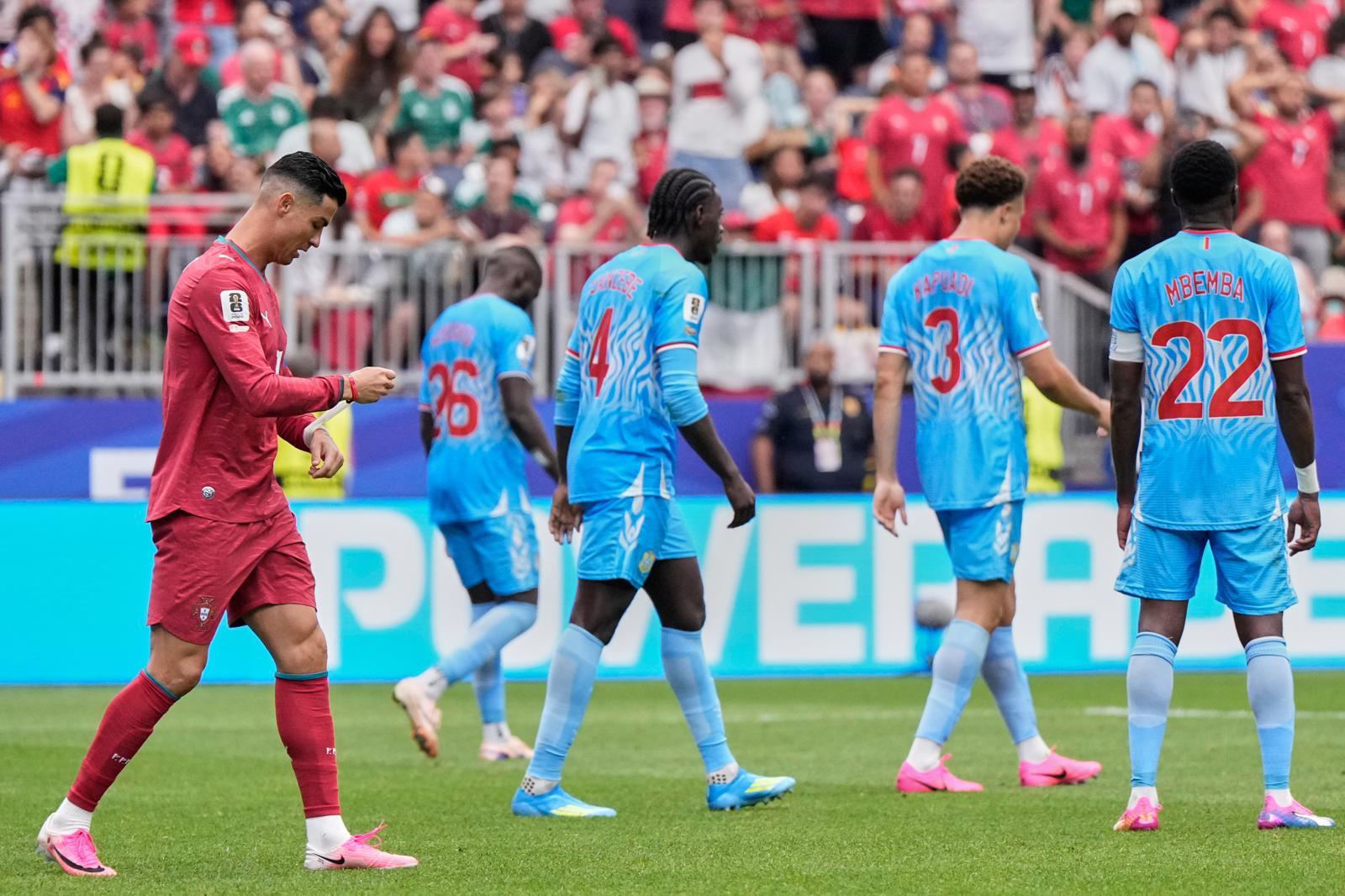

Switzerland leads Group B despite all teams drawing 1-1
Translated from Korean, summarized and contextualized by DistantNews.
At a glance
News
Named sources
Context piece
- In the 2026 World Cup qualifiers, all four teams in Group B drew their matches 1-1, yet Switzerland leads the group.
- Tie-breaking criteria include head-to-head results, goal difference, goals scored, and then team fair play points.
- Switzerland secured first place due to having fewer yellow cards than Bosnia and Herzegovina, while Canada ranked higher than Qatar based on FIFA rankings.
In a peculiar turn of events during the 2026 North American World Cup qualifiers, all teams in Group B drew their opening matches 1-1. Canada played Bosnia and Herzegovina, while Switzerland faced Qatar, with both games ending in a 1-1 stalemate. Despite the identical scores, Switzerland currently sits atop the group standings, leaving many to wonder how this is possible.
The tie-breaking system for the North American World Cup is multi-layered. When teams have equal points, the first criteria are head-to-head results, followed by goal difference, total goals scored, and then team fair play points. If teams remain tied after these measures, the FIFA world ranking is used as the final determinant.
In Group B's case, the fair play points proved decisive. Switzerland received only one yellow card (-1 point) in their match, while Qatar and Canada each received two (-2 points). Bosnia and Herzegovina, however, accumulated three yellow cards (-3 points), placing them at the bottom of the group. This difference in disciplinary records directly led to Switzerland's first-place standing.
Canada and Qatar, having the same fair play points, were then separated by their FIFA rankings. Canada, ranked 32nd, edged out Qatar, which is ranked 49th, securing them third place in the group. This complex system highlights how disciplinary actions can significantly impact a team's progression in the tournament.
This scenario echoes a similar situation in the 2018 Russia World Cup, where Japan advanced over Senegal to the knockout stage based on fewer yellow cards. With the expanded 32-team format for the 2026 World Cup, where eight of the twelve third-placed teams will advance, such tie-breaking scenarios are expected to become more common.
DistantNews Editorial
Originally published by Hankyoreh in Korean. Translated, summarized, and contextualized by our editorial team with added local perspective. Read our editorial standards.
More Stories
From Our Blog

What Gets Lost (and Found) When News Is Translated

The Critical Role of Diaspora Media in Global News

What Travellers Should Know About Countries with Restricted Press

A Digital Nomad's Guide to Following Local News

How the Same Story Looks Different in Different Countries
