

Switzerland to Introduce New Transit Toll System, Potentially Reaching 107 Euros
Translated from Croatian, summarized and contextualized by DistantNews.
At a glance
News
Sources not specified
New plan
- Switzerland plans to introduce a new transit fee system, moving beyond the current vignette model.
- The proposed fee will be dynamic, varying based on road conditions and traffic levels, particularly on Alpine routes.
- This change aims to reduce congestion, especially around the Gotthard Tunnel, and could cost up to 107 euros during peak times.
Switzerland is preparing a significant overhaul of its transit traffic toll system, potentially increasing costs for drivers passing through the country without extended stays. The proposed change moves away from the current vignette-only model towards a special transit fee calculated based on road conditions and traffic load.
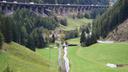
The Swiss Federal Council is developing the legal framework for this new system, as mandated by the Swiss parliament. The core idea is to impose an additional tax specifically on transit traffic, with the fee fluctuating based on congestion on key routes. This measure is a response to long-standing traffic jams on Alpine corridors, particularly routes leading to and through the Gotthard Tunnel, which often cause kilometer-long queues during peak tourist seasons and holidays.
The reason for such a decision is the long-standing problems with traffic congestion on the Alpine corridors, especially on the routes leading to and through the Gotthard Tunnel.
Implementing the new system will require substantial investment in border infrastructure. Switzerland has 692 border crossings, many of which will need to be equipped with cameras for automatic license plate recognition and traffic monitoring. While some systems are already in place for security purposes, they are not currently used for toll collection.
Unlike traditional tolls, the new model employs dynamic pricing. This means transit through Switzerland will be more expensive during periods of high demand, such as weekends, holidays, and summer tourist migrations. Conversely, driving during off-peak times will be more affordable. Although the law is still in development, preliminary estimates suggest the fee could range from 80 to 100 Swiss francs (approximately 86 to 107 euros) on the busiest days. Exceptions are planned for drivers who can prove extended stays in the country, aiming to protect tourism and the local economy.
The fee could amount to between 80 and 100 Swiss francs, or about 86 to 107 euros, on the busiest days.
DistantNews Editorial
Originally published by Večernji List in Croatian. Translated, summarized, and contextualized by our editorial team with added local perspective. Read our editorial standards.
More Stories


From Our Blog

What Gets Lost (and Found) When News Is Translated

The Critical Role of Diaspora Media in Global News

What Travellers Should Know About Countries with Restricted Press

A Digital Nomad's Guide to Following Local News

How the Same Story Looks Different in Different Countries
