

Syrian President Says Hezbollah Left 'Deep Wound' But Open to Dialogue
Translated from English, summarized and contextualized by DistantNews.
At a glance
News
Named sources
Context piece
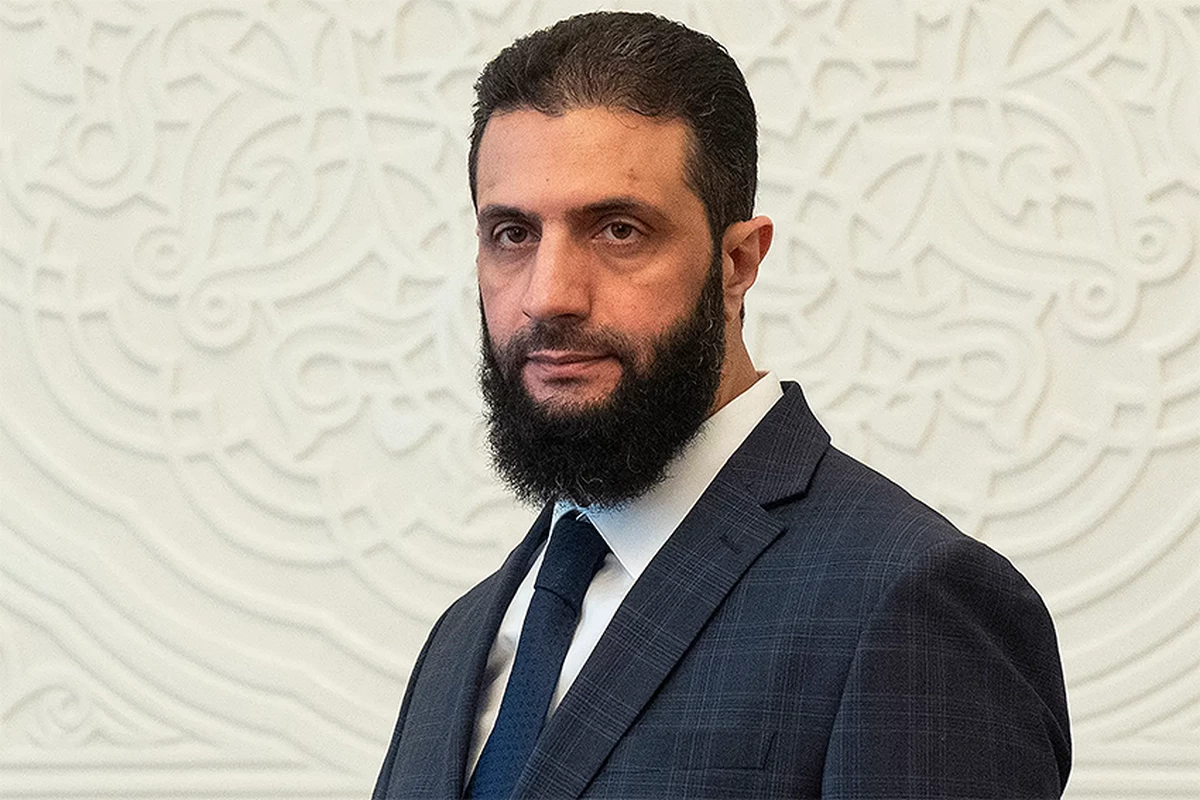
- Syrian President Ahmad al-Sharaa stated that Hezbollah's past military involvement in Syria left a "deep wound" on Syrians.
- Despite this, he indicated Syria would consider dialogue with Hezbollah if it served the interests of both nations.
- Sharaa also warned against further conflict in Lebanon, urging a political consensus and emphasizing Lebanese national interests.
Syrian President Ahmad al-Sharaa described Hezbollah's past military intervention in the Syrian civil war as a "major Syrian wound that is still alive to this day." The Lebanese group openly entered the conflict in 2013 to support the Assad regime, significantly reducing its presence after 2024 as its confrontation with Israel intensified. The group's military presence in Syria effectively ended following the collapse of the Assad regime in December 2024.
There is a major Syrian wound that is still alive to this day, and Hezbollah is part of it.
Despite acknowledging the lingering pain caused by Hezbollah's involvement, Sharaa suggested that Syria would not rule out future engagement. "We will sit at the same table with Hezbollah if it serves the interests of Syria and Lebanon," he stated in an interview with Al Mashhad TV.
Sharaa also addressed the escalating crisis in Lebanon, warning that war and the bombardment of cities would have severe consequences for Syria. He stressed that Lebanon's situation cannot withstand further polarization and that a political consensus is crucial for overcoming the current crisis. Syria's stance, he explained, is to support the Lebanese state and its institutions while seeking a settlement acceptable to all Lebanese parties.
We will sit at the same table with Hezbollah if it serves the interests of Syria and Lebanon.
He further commented on Hezbollah's role within Lebanon, asserting that the group "should find its place within Lebanon" and that Lebanese national interests must be prioritized. Sharaa criticized Hezbollah for allegedly encroaching on the Lebanese state's authority regarding decisions of war and peace, arguing that armed groups operating outside state control hinder a nation's development and stability.
The situation in Lebanon cannot withstand further polarization.
Additionally, Sharaa revealed he had presented a "different approach" to French President Emmanuel Macron for resolving the conflict in Lebanon. He also referenced remarks by U.S. President Donald Trump, who had expressed discomfort with the situation and suggested Syria could play a role in addressing Hezbollah. Trump had previously suggested to Israel that it allow Syria to "take care of Hezbollah" in Lebanon.
Hezbollah should find its place within Lebanon.
DistantNews Editorial
Originally published by Arab Times in English. Translated, summarized, and contextualized by our editorial team with added local perspective. Read our editorial standards.
More Stories
From Our Blog

What Gets Lost (and Found) When News Is Translated

The Critical Role of Diaspora Media in Global News

What Travellers Should Know About Countries with Restricted Press

A Digital Nomad's Guide to Following Local News

How the Same Story Looks Different in Different Countries
