


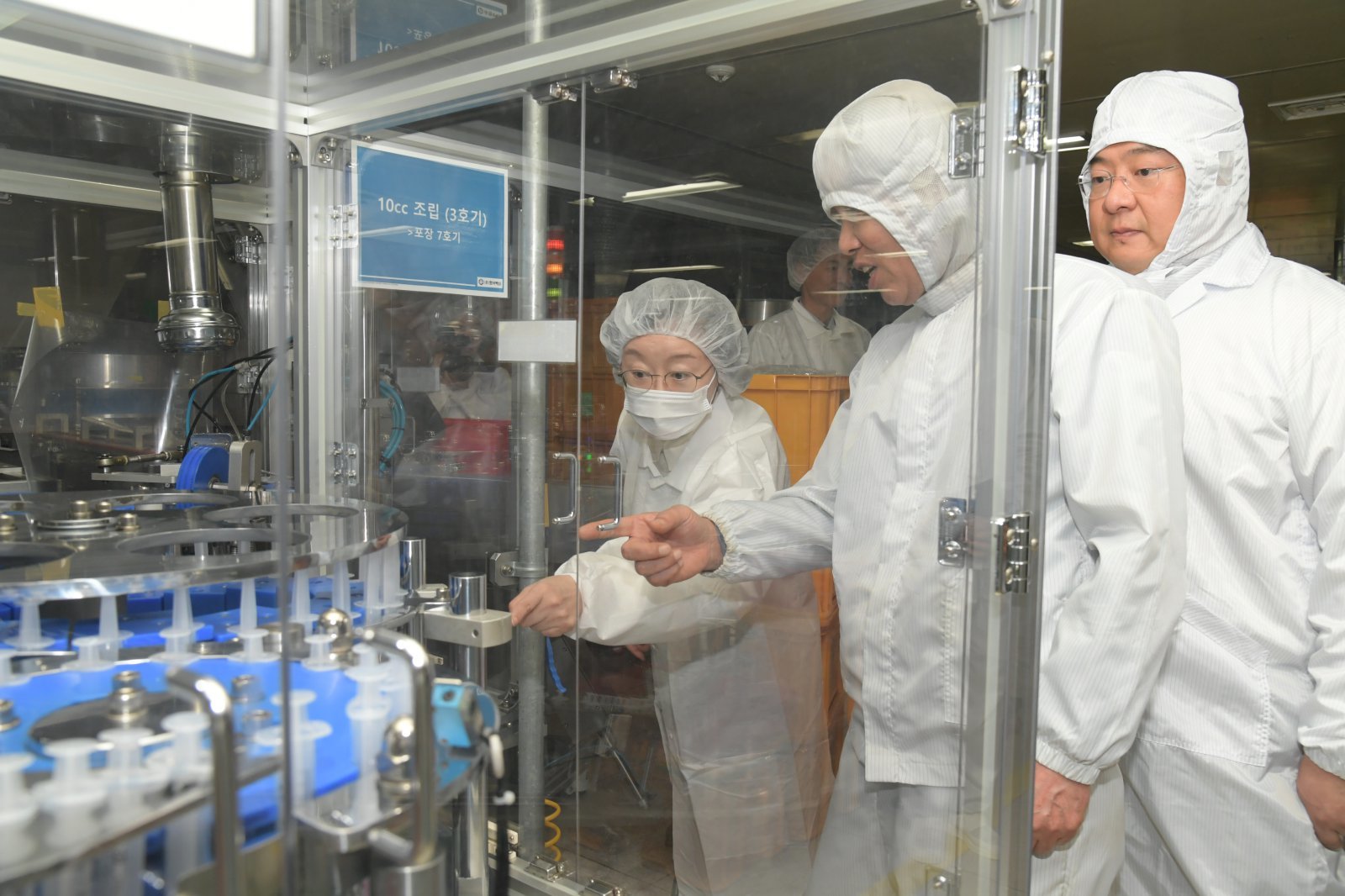
Syringe Stock Totals 44.05 Million... 'Production Continues to Increase for 3 Days'
Translated from Korean, summarized and contextualized by DistantNews.
TLDR
- South Korea's Ministry of Food and Drug Safety (MFDS) reported a total stock of 44.05 million syringes as of April 16, 2026.
- Daily production of syringes has been increasing over the last three days, exceeding last year's performance.
- The MFDS is working with manufacturers for additional production to ensure a stable supply amid concerns over Middle East conflict-related disruptions.
In response to growing public concern and potential supply chain disruptions stemming from the prolonged Middle East conflict, South Korea's Ministry of Food and Drug Safety (MFDS) has moved to ensure the stable supply of essential medical consumables, particularly syringes and needles. As of April 16, 2026, the nation's syringe stock stands at a robust 44.05 million units, a figure that has seen consistent daily increases in production over the past three days.
The MFDS's proactive stance includes regular monitoring and public dissemination of daily supply and demand trends. This transparency aims to alleviate public anxiety and prevent hoarding, which has been observed in some distribution channels due to fears of raw material shortages. The ministry emphasizes that current production levels not only meet domestic demand but also surpass those of the previous year, demonstrating the resilience of the Korean manufacturing sector.
Furthermore, the MFDS is actively collaborating with manufacturers to boost production capacity and is urging the public to report any instances of price gouging or hoarding through a dedicated 신고센터 (reporting center). This coordinated effort, involving multiple government departments, underscores South Korea's commitment to safeguarding public health and maintaining the integrity of its healthcare system, even amidst international uncertainties. The focus remains on ensuring that essential medical supplies are readily available to healthcare providers and patients alike.
DistantNews Editorial
Originally published by Dong-A Ilbo in Korean. Translated, summarized, and contextualized by our editorial team with added local perspective. Read our editorial standards.
More Stories


From Our Blog

What Gets Lost (and Found) When News Is Translated

The Critical Role of Diaspora Media in Global News

What Travellers Should Know About Countries with Restricted Press

A Digital Nomad's Guide to Following Local News

How the Same Story Looks Different in Different Countries
