


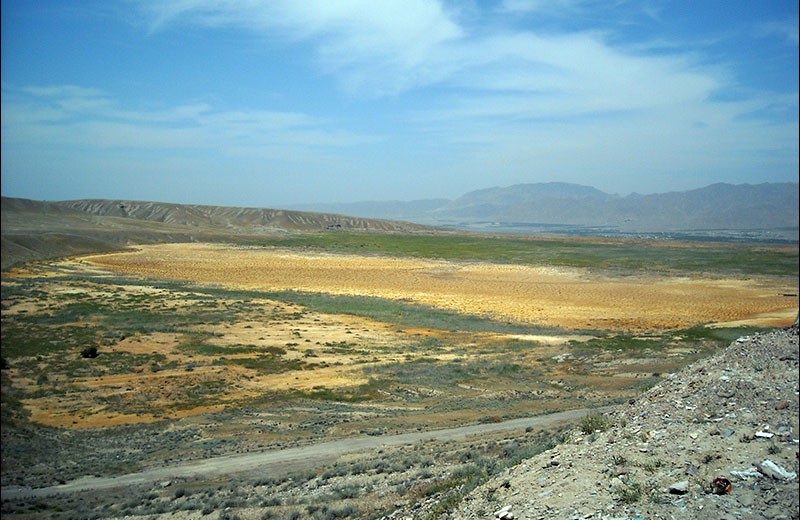
Tajikistan's Uranium Legacy: Sughd Province Leads in Cancer Rates Amid Environmental Concerns
Translated from English, summarized and contextualized by DistantNews.
At a glance
News
Named sources
Context piece
- Tajikistan's Sughd province, home to much of the country's uranium legacy, has a disproportionately high cancer rate.
- Decades of uranium mining have left numerous tailings storage facilities, many near populated areas, with insufficient studies on their environmental and health impacts.
- Addressing the extensive radioactive waste requires significant international funding, with only a fraction of the problem currently reclaimed.
The concentration of cancer cases in Tajikistan's Sughd province, a region burdened by the Soviet Union's uranium industry, raises serious environmental and public health concerns. Decades of mining have left a legacy of radioactive waste in tailings storage facilities, many situated perilously close to communities and vital water sources. The lack of comprehensive studies within Tajikistan to directly link this environmental hazard to the alarming cancer rates highlights a critical gap in understanding and addressing the issue.
Almost every second cancer patient in Tajikistan lives in the Sughd province, where the main part of the country’s uranium legacy is concentrated.
While reclamation efforts have begun, supported by international partners like Rosatom, the scale of the problem is immense. Experts estimate that over 100 million euros are needed to fully remediate the sites. The ongoing climate change exacerbates the risk, potentially spreading pollutants through water, soil, and dust, making the situation increasingly urgent. This is not just a historical problem; it's a present danger that demands immediate attention and substantial investment.
However, no studies have been conducted in the country to understand whether the state of the environment, including the radiation background, affects the level of cancer diseases.
From a Tajik perspective, this issue is deeply intertwined with our nation's industrial past and its ongoing struggle for sustainable development. The uranium legacy, while a product of a bygone era, continues to cast a long shadow over the health and well-being of our citizens. International cooperation is crucial, not only for financial aid but also for sharing expertise in environmental monitoring and remediation technologies. We must ensure that the health of our people and the integrity of our environment are prioritized, transforming this dangerous legacy into a catalyst for a healthier, safer future.
Amid climate change, which enhances the transfer of pollutants through water, soil, and dust, this issue is becoming increasingly relevant.
DistantNews Editorial
Originally published by Asia-Plus in English. Translated, summarized, and contextualized by our editorial team with added local perspective. Read our editorial standards.
More Stories


From Our Blog

What Gets Lost (and Found) When News Is Translated

The Critical Role of Diaspora Media in Global News

What Travellers Should Know About Countries with Restricted Press

A Digital Nomad's Guide to Following Local News

How the Same Story Looks Different in Different Countries
