


Tanker War Lessons: Iran Learns More From Defeat Than U.S. From Victory
Translated from German, summarized and contextualized by DistantNews.
At a glance
Analysis
Sources not specified
Context piece
- The Strait of Hormuz is experiencing renewed tensions, with the U.S. blockading Iranian ports and Iran threatening to disrupt energy transports.
- This situation echoes the "Tanker War" of the 1980s, where Iran and the U.S. also clashed militarily in the region.
- Unlike the 1980s conflict, where the U.S. emerged victorious, current dynamics suggest Iran has learned more from its past defeat than the U.S. has from its victory, indicating a shift in regional power.
Tensions have flared anew in the Strait of Hormuz, with the United States imposing a blockade on Iranian ports and Iran retaliating with threats to halt all energy shipments from the region. This escalation suggests that a swift resolution to the ongoing conflict remains elusive.
The U.S. have begun a renewed blockade of Iranian ports, and Iran is threatening to block all energy transports from the region.
The current developments are particularly striking given that the repeated closures of the Strait of Hormuz are occurring against the will of the world's preeminent naval power. The U.S.'s apparent inability to secure a rapid and lasting solution in the Gulf is revealing. This situation draws parallels to a similar conflict four decades ago during the 1980s "Tanker War," when Iran and the United States were also locked in a military confrontation in the same strategic waterway.
The U.S.'s powerlessness to ensure a quick and lasting solution in the Gulf is revealing.
In that earlier conflict, the U.S. forces ultimately prevailed. However, a comparison between the two periods highlights significant shifts in international power dynamics over the past decades. Crucially, it suggests that Iran has gained more strategic insight from its past defeat than the United States has from its victory.
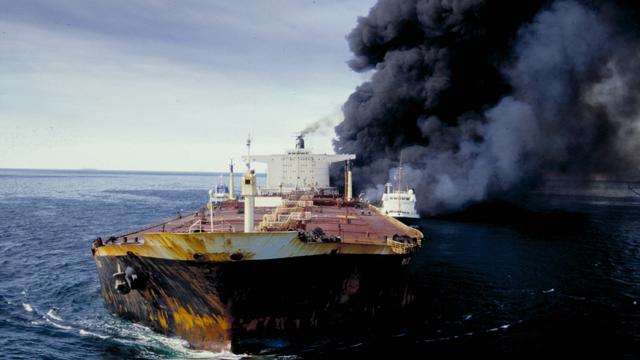
In the tanker war of the 1980s, Iran and the USA already faced each other militarily. Back then, the Americans won.
This learning curve implies that Iran is better equipped to navigate the current confrontation. The article posits that while the U.S. may have won the battle in the 1980s, Iran has arguably won the long-term strategic war by adapting and learning from the experience, positioning itself more effectively in the present-day standoff.
A comparison of both conflicts, then and now, shows how international power constellations have changed in recent decades – and that the Iranians have learned more from the defeat back then than the Americans from their victory.
DistantNews Editorial
Originally published by Die Zeit in German. Translated, summarized, and contextualized by our editorial team with added local perspective. Read our editorial standards.
More Stories


From Our Blog

What Gets Lost (and Found) When News Is Translated

How the Same Story Looks Different in Different Countries

The Critical Role of Diaspora Media in Global News

What Travellers Should Know About Countries with Restricted Press

A Digital Nomad's Guide to Following Local News
