


Tanzanian oil tanker hijacked in Gulf of Aden; Korean warship scrambles
Translated from Korean, summarized and contextualized by DistantNews.
At a glance
News
Sources not specified
Ongoing story
- A Tanzanian-flagged oil tanker, the Asiana, was reportedly hijacked by armed individuals in the Gulf of Aden, approximately 65 nautical miles off the coast of Yemen.
- The UK Maritime Trade Operations (UKMTO) reported unauthorized personnel boarding the vessel, with British security firm Ambrey suggesting Somali pirates were likely involved.
- A South Korean naval vessel, likely part of the 48th contingent of the Cheonghae Unit, was dispatched to provide assistance following a distress signal.
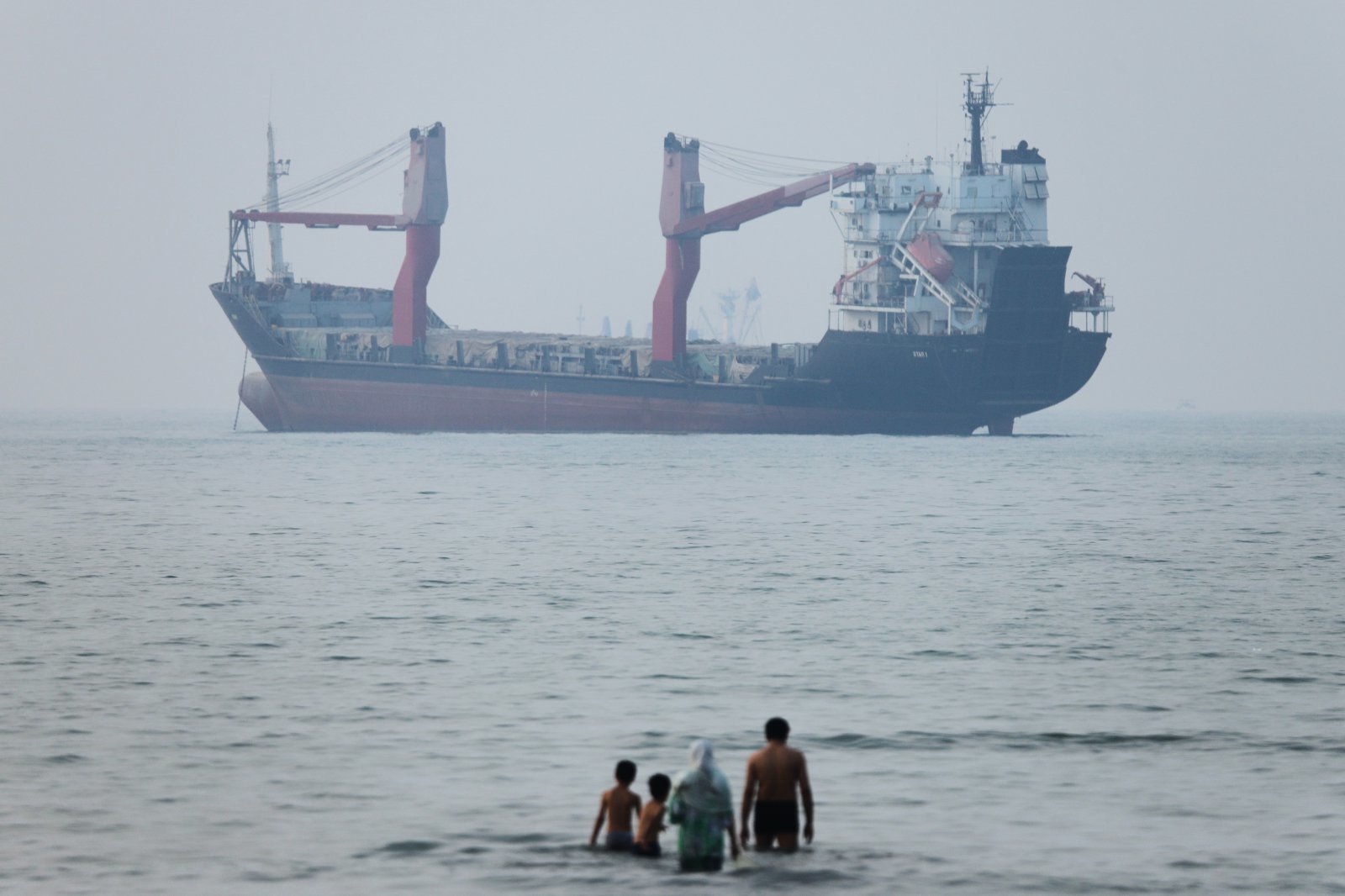
An oil tanker flying the Tanzanian flag has reportedly been hijacked in the Gulf of Aden, a critical maritime route off the coast of Yemen. The vessel, identified as the Asiana, was boarded by unauthorized individuals approximately 65 nautical miles south of the Yemeni port of Mukalla, according to the UK Maritime Trade Operations (UKMTO).
British maritime security firm Ambrey indicated that Somali pirates are suspected to be behind the boarding. The tanker reportedly lacked an armed security team onboard. Analysis of maritime traffic data suggests the Asiana was heading towards Bosaso, a known pirate haven in Somalia, shortly after the incident occurred.
Responding to a distress signal, a South Korean naval vessel has been dispatched to the scene. It is believed to be part of the 48th contingent of the Cheonghae Unit, which includes the destroyer Wang Geon. The Cheonghae Unit has been conducting anti-piracy operations in the Gulf of Aden since 2009, aiming to ensure the safety of South Korean vessels and contribute to international maritime security.
The incident occurs amid a reported increase in Somali pirate activity in the Red Sea and Gulf of Aden, following renewed military tensions between the United States and Iran. This heightened activity poses a significant threat to international shipping in the region.
DistantNews Editorial
Originally published by Hankyoreh in Korean. Translated, summarized, and contextualized by our editorial team with added local perspective. Read our editorial standards.
More Stories

From Our Blog

What Gets Lost (and Found) When News Is Translated

The Critical Role of Diaspora Media in Global News

What Travellers Should Know About Countries with Restricted Press

A Digital Nomad's Guide to Following Local News

How the Same Story Looks Different in Different Countries
