


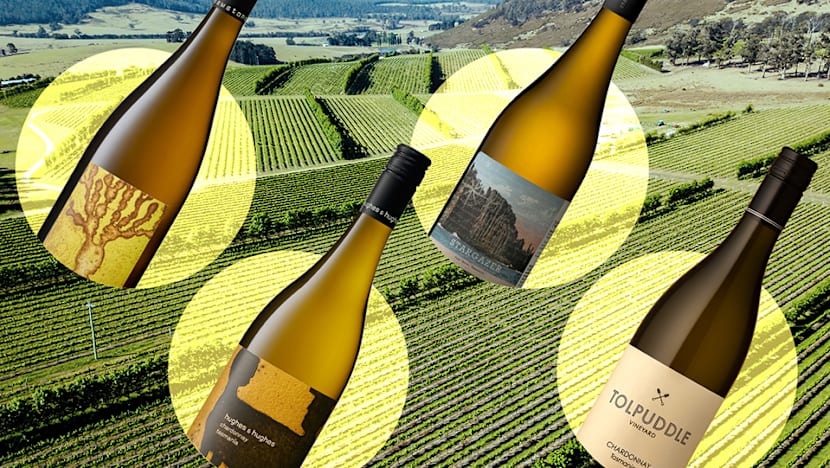
Tasmania's cool-climate Chardonnay gains global acclaim
Translated from English, summarized and contextualized by DistantNews.
At a glance
News
Sources not specified
Context piece
- Tasmanian Chardonnay is gaining international recognition for its cool-climate character, vivid fruit, and bright acidity.
- Winemakers highlight the island's ancient soils, long ripening seasons, and unique sunlight as key factors in producing high-quality wines.
- Despite comparisons to Burgundy, Tasmanian wines offer a distinct profile, with producers like Tolpuddle Vineyard achieving top accolades globally.
Tasmania's unique geography, situated in Australia's coolest wine region with the Southern Ocean nearby, is fostering a distinctive style of Chardonnay that is capturing global attention. Winemakers emphasize the island's ancient soils, extended ripening periods, and moderate climate, which allow for the development of intense flavor and bright acidity without excessive sugar.
A lot of people are comparing Tasmania to Burgundy and Champagne, but we are different.
Jeremy Dineen, a winemaker and co-founder of Haddow + Dineen, explains that Tasmania's conditions, including specific sunlight UV radiation, contribute to the vivid fruit and clarity found in its wines. While often compared to Burgundy and Champagne, Dineen asserts that Tasmanian wines possess their own unique character, shaped by these specific environmental factors.
Tasmania has some of the most ancient soils in the world. We have a long ripening season, and we don’t get extremes of low and high. We get flavour without having massive sugar because we are cold.
The island's wines, particularly Chardonnay and Pinot Noir, are increasingly recognized on the international stage. Tolpuddle Vineyard, located in the Coal River Valley, has seen its Chardonnays win Champion White Wine at the International Wine Challenge multiple times and top a blind tasting at the London Wine Fair. These accolades highlight Tasmania's emergence as a producer of world-class still wines, moving beyond its earlier reputation for sparkling varieties.
We have sunshine that is not the same as northern hemisphere sunshine. But the key difference is the sunlight UV radiation.
DistantNews Editorial
Originally published by CNA in English. Translated, summarized, and contextualized by our editorial team with added local perspective. Read our editorial standards.
More Stories



From Our Blog

What Gets Lost (and Found) When News Is Translated

The Critical Role of Diaspora Media in Global News

What Travellers Should Know About Countries with Restricted Press

A Digital Nomad's Guide to Following Local News

How the Same Story Looks Different in Different Countries
