


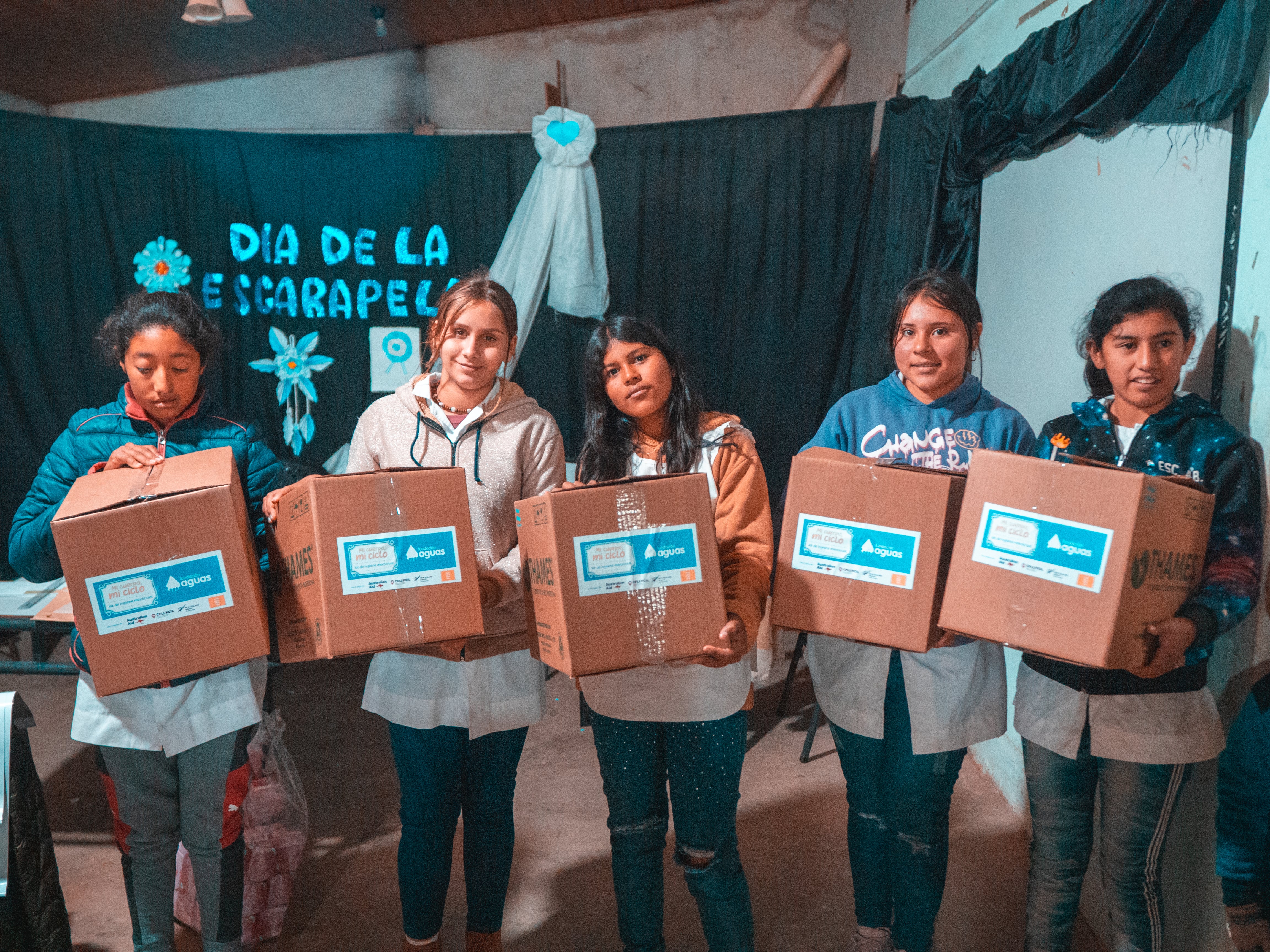
Teacher transforms indigenous school with focus on water and menstrual health
Translated from Spanish, summarized and contextualized by DistantNews.
At a glance
In-depth
Sources not specified
Context piece
- A teacher in Argentina's Chaco province is working to improve educational conditions for children in an indigenous community.
- The school lacked safe water access and adequate sanitation, impacting students' health and attendance, particularly for girls during menstruation.
- Volunteers and professionals provided access to safe water and addressed menstrual health, leading to significant positive changes.
In Quitilipi, Chaco, Argentina, Melisa Lorenzetti, a 33-year-old teacher, is dedicated to providing better opportunities for children in indigenous communities. She currently teaches at Primary School No. 1033 in Colonia Aborigen Juan Larrea, a rural area serving 48 children from 21 Mocoví families who primarily rely on agricultural work.
I have a privilege. I harvested it a little with my vocation and another part with my experience.
Lorenzetti described the stark reality of the school's previous conditions. Until 2023, the lack of safe water meant mothers had to transport water from distant locations for drinking, hygiene, and sanitation. The school's bathrooms were simple latrines, and handwashing occurred in a basin, creating a breeding ground for diseases. The situation was particularly dire for girls, who often missed school during menstruation due to the inadequate and unsafe facilities, fearing stains or embarrassment.
Water was a luxury and menstruation a secret.
Recent interventions by a foundation brought significant improvements. Volunteers and professionals helped establish access to safe water and tackled the taboo subject of menstrual health. These efforts have created a more conducive learning environment, addressing critical needs that previously hindered the students' well-being and education.
To give you an idea of what it's like to attend a school like ours, until very recently, the lack of safe water marked our daily lives.
DistantNews Editorial
Originally published by La Nación in Spanish. Translated, summarized, and contextualized by our editorial team with added local perspective. Read our editorial standards.
More Stories


From Our Blog

What Gets Lost (and Found) When News Is Translated

The Critical Role of Diaspora Media in Global News

What Travellers Should Know About Countries with Restricted Press

A Digital Nomad's Guide to Following Local News

How the Same Story Looks Different in Different Countries
