

Tehran is living a mirage and will soon wake up to a bitter reality
Summarized and contextualized by DistantNews.
At a glance
Opinion
Sources not specified
Context piece
- The article argues that Iran's government is projecting false strength through orchestrated public displays, such as crowds at Khamenei's funeral.
- It draws parallels between Iran's current situation and Adolf Hitler's Germany, suggesting both regimes relied on unrealistic visions and pursued destructive paths.
- The author contends that Iran's alleged aggression and internal repression will ultimately lead to its downfall and calls for accountability for its actions.
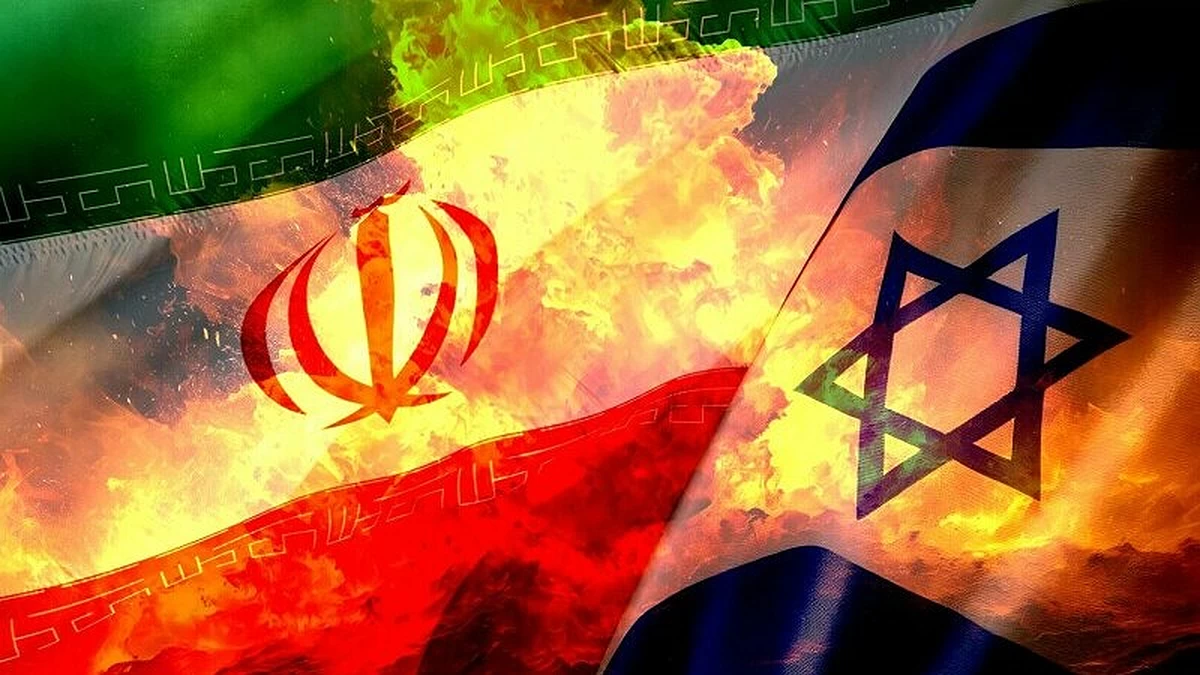
Iran's government is currently living in a "mirage," projecting an image of strength through orchestrated crowds and threats that will ultimately fail to secure its position, the article argues. The large turnouts at Khamenei's funeral are described as a superficial attempt to mask the regime's inherent weakness, exposed in recent months. The author draws a stark parallel between Iran's current trajectory and that of Adolf Hitler's Germany, suggesting a shared tendency towards "delusions of grandeur" and a reliance on unrealistic visions.
This comparison extends to their foreign policies, with Hitler's alliances and invasions mirroring Iran's alleged use of proxies in various regions. The article posits that, much like Hitler's ultimate defeat and the devastation of World War II, Iran's aggressive stance and pursuit of racial supremacy will inevitably lead to its own destruction. The author notes that Germany continued to pay reparations for Hitler's crimes until recently, implying a similar reckoning awaits Iran for its alleged atrocities.
The piece highlights the human cost of Iran's actions, citing figures of approximately 1.1 million victims of repression and war as of last year, not including casualties from interventions in Lebanon, Iraq, Syria, and Yemen, or proxy conflicts. The author stresses the imperative to hold the Iranian regime accountable for both its domestic repression and its international actions.
The attendance of proxies like Hezbollah and the Houthis at Khamenei's funeral is interpreted not as genuine mourning, but as an expression of anxiety about their own future. The article suggests that upcoming months may reveal internal power struggles, especially if reports about Mojtaba Khamenei's absence from the funeral are accurate, indicating the regime's fear of exposure. Ultimately, the author concludes that nations suffering from Iranian aggression must demand compensation, viewing the regime's current actions as signs of its underlying weakness.
DistantNews Editorial
Originally published by Arab Times. Summarized and contextualized by our editorial team with added local perspective. Read our editorial standards.
More Stories
From Our Blog

What Gets Lost (and Found) When News Is Translated

The Critical Role of Diaspora Media in Global News

What Travellers Should Know About Countries with Restricted Press

A Digital Nomad's Guide to Following Local News

How the Same Story Looks Different in Different Countries
