

Teoloyucan requests two pumping stations for Zumpango Lagoon recovery project
Translated from Spanish, summarized and contextualized by DistantNews.
At a glance
News
Sources not specified
Context piece
- Teoloyucan is requesting the construction of two pumping stations from the National Water Commission (Conagua).
- These stations are needed as mitigation measures for the planned construction of a water treatment plant in the Zumpango Lagoon.
- The project aims to restore the ecological environment of the lagoon, which is partially located in Teoloyucan.
The municipal government of Teoloyucan has formally requested the National Water Commission (Conagua) to build two new pumping stations. These are intended as mitigation measures in response to the upcoming construction of a water treatment plant near the Zumpango Lagoon.
Mayor Luis Domingo Zenteno Santaella explained that the existing pumping station in the "five neighborhoods" area is insufficient to handle the current drainage needs, especially with pending connections from the Santo Tomás, Santa Cruz, and La Providencia neighborhoods. He stressed the necessity of two additional infrastructures to meet the growing demand for drainage services in the municipality, which serves over 70,000 residents.
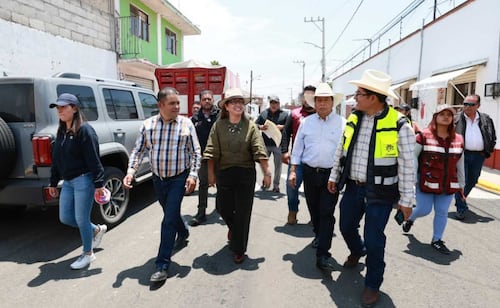
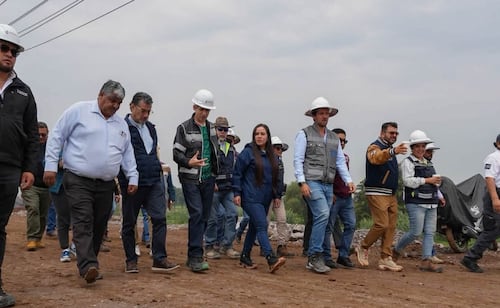
The municipal government plans to present a project to enhance drainage in the five riverside neighborhoods. This initiative was discussed during a recent site supervision visit with Conagua authorities and the mayor of Zumpango, Roselia García.
Regarding the federal government's project to recover Zumpango Lagoon, Zenteno noted that Conagua is still evaluating potential sites for the rainwater treatment plant. He highlighted the importance of the lagoon's recovery, an Area Natural Protected, stating it will allow the return of the ecological environment that existed 60 years ago, supporting fishing, birdlife, and wetlands, which could benefit the local economy.
DistantNews Editorial
Originally published by El Universal in Spanish. Translated, summarized, and contextualized by our editorial team with added local perspective. Read our editorial standards.
More Stories
From Our Blog

What Press Freedom Means for the News You Read

What Gets Lost (and Found) When News Is Translated

The Critical Role of Diaspora Media in Global News

What Travellers Should Know About Countries with Restricted Press

A Digital Nomad's Guide to Following Local News
