


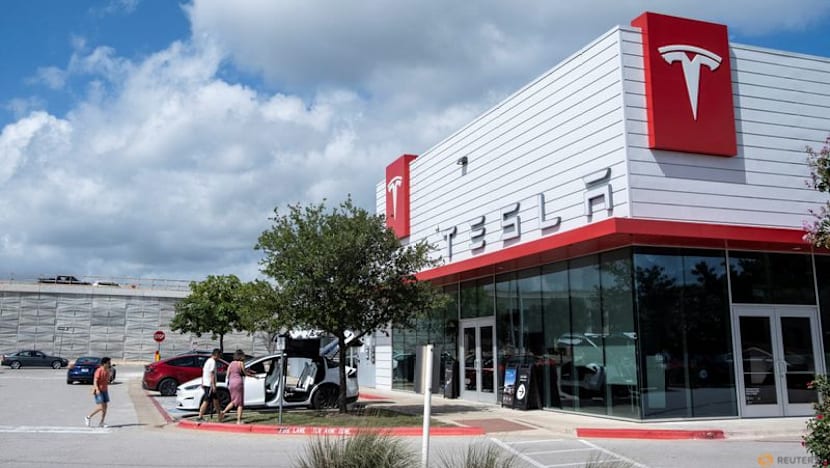
Tesla Shares Fall as Musk Defends Ambitious, Costly Expansion Plans
Translated from English, summarized and contextualized by DistantNews.
At a glance
News
Named sources
Context piece
- Tesla reported weaker-than-expected second-quarter profits despite increased auto sales, with earnings per share at 33 cents against estimates of 53 cents.
- The company's profitability was impacted by lower vehicle prices, reduced revenue from regulatory credits, and increased capital expenditures, which more than doubled to $5.8 billion.
- CEO Elon Musk emphasized aggressive spending on capital expenditures as essential for rapid industrial scaling, comparing it to post-WWII efforts, and highlighted progress on the 'Cybercab' and Semi truck production.
Tesla's shares dipped in after-hours trading following the company's announcement of weaker-than-expected second-quarter profits, even as auto sales saw an increase. The electric vehicle maker reported profits of $1.1 billion, a 5 percent decrease from the previous year, translating to 33 cents per share, significantly below the 53 cents estimated by analysts. While revenues climbed 26 percent to $28.2 billion, profitability was squeezed by several factors.
We should be spending on capex as fast as we can spend ... without it being too wasteful.
The company cited lower vehicle sales prices, reduced income from regulatory credits, and unspecified "energy warranty-related charges" as key reasons for the dent in earnings. Compounding these issues, Tesla's capital expenditures more than doubled to $5.8 billion during the quarter. This surge in spending is part of a massive construction initiative that CEO Elon Musk described as potentially the United States' "fastest industrial scale up since World War II."
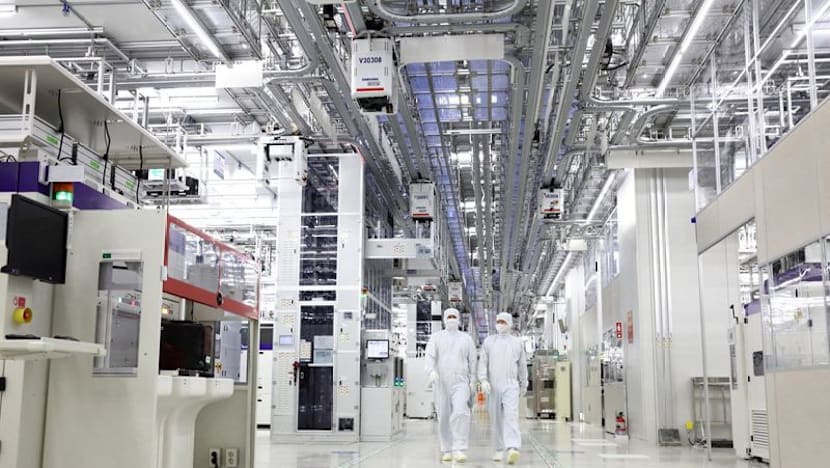
Musk characterized the aggressive spending as necessary for rapid expansion, including Tesla's participation in the $20 billion Terabab project in Austin, a joint venture with SpaceX and xAI focused on chip manufacturing. He also noted progress on the "Cybercab" vehicle production in Texas and confirmed that the Tesla Semi truck production remains on schedule for 2026. The company also reported growth in subscribers for its "FSD" driver-assistance program.
It's okay to be a little less capital efficient if we get things done sooner.
Despite concerns from analysts like Garrett Nelson of CFRA Research regarding the transparency and expected return on investment for this spending, Musk defended the strategy. He argued that capital efficiency should not be the sole priority, stating, "We should be spending on capex as fast as we can spend... without it being too wasteful." He suggested that prioritizing speed and getting projects done sooner is acceptable, even if it means being slightly less capital efficient. Chief Financial Officer Vaibhav Taneja indicated that research and development expenses are expected to continue growing beyond 2026.
They just haven't been very transparent with the Street on the expected return of the dollars that have been spent.
DistantNews Editorial
Originally published by CNA in English. Translated, summarized, and contextualized by our editorial team with added local perspective. Read our editorial standards.
More Stories


From Our Blog

What Gets Lost (and Found) When News Is Translated

The Critical Role of Diaspora Media in Global News

What Travellers Should Know About Countries with Restricted Press

A Digital Nomad's Guide to Following Local News

How the Same Story Looks Different in Different Countries
