

Thai court sentences two Uyghur men to death for 2015 shrine bombing
Translated from English, summarized and contextualized by DistantNews.
At a glance
News
Named sources
Outcome reported
- Two Chinese Uyghur men received death sentences for their role in a 2015 Bangkok shrine bombing that killed 20 people.
- The court convicted the men of premeditated murder, though they were acquitted of charges related to a separate bombing.
- The defense plans to appeal, citing insufficient consideration of case aspects and defendant treatment during the lengthy trial.
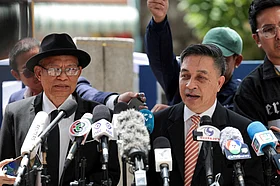
A Thai court on Thursday sentenced two Chinese Uyghur men to death for their involvement in the 2015 Erawan Shrine bombing, the deadliest attack in Thailand's history. The blast killed 20 people and injured over 100. Yusufu Mieraili and Bilal Mohammed were found guilty of premeditated and attempted murder for planting a bomb at the popular Bangkok shrine. The court stated the defendants' actions violated multiple laws, warranting the harshest penalty. However, the two men were acquitted of charges related to a separate bombing at a pier in Bangkok. Following the verdict, Mieraili expressed defiance, stating, "RIP Thailand's justice system. I don't accept any of this." Their lawyer, Choochat Kanpai, announced plans to appeal, citing "many aspects of the case that the court has not fully considered, including the treatment of the defendants during the proceedings." The decade-long trial faced numerous delays, including issues with translators and disruptions from the COVID-19 pandemic. The bombing occurred weeks after Thailand forcibly repatriated 109 Uyghurs to China, sparking speculation that the attack was retaliation for the country's cooperation with Beijing. Rights groups accuse China of repressing the Muslim minority.
The defendants committed a single act that violated multiple laws. The court therefore imposed the harshest penalty available under the law, the death sentence.
DistantNews Editorial
Originally published by Khaleej Times in English. Translated, summarized, and contextualized by our editorial team with added local perspective. Read our editorial standards.
More Stories



From Our Blog

What Gets Lost (and Found) When News Is Translated

The Critical Role of Diaspora Media in Global News

What Travellers Should Know About Countries with Restricted Press

A Digital Nomad's Guide to Following Local News

How the Same Story Looks Different in Different Countries
