


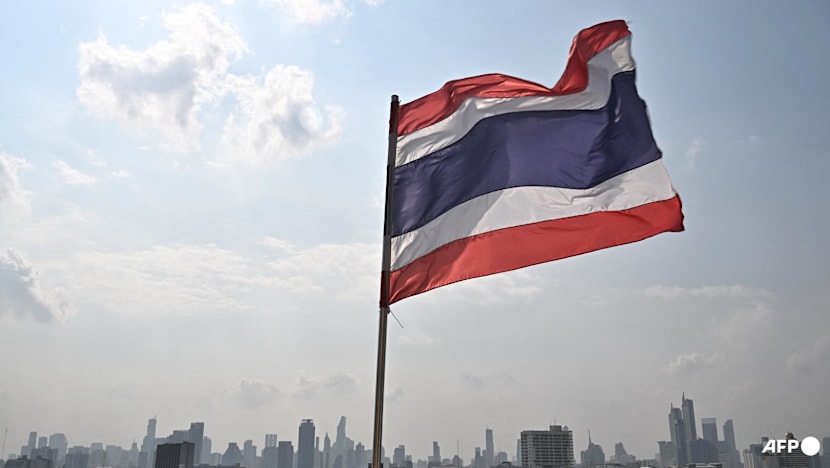
Thai Parliament Approves Amnesty for Hundreds of Activists
Translated from English, summarized and contextualized by DistantNews.
At a glance
News
Named sources
Approved/passed
- Thailand's parliament approved an amnesty bill benefiting hundreds of activists convicted over the past 20 years.
- The amnesty excludes those sentenced for corruption or violating the royal insult law.
- The bill, which covers rival political groups and youth protesters, aims to restore political rights but does not erase guilt for excluded offenses.
Thailand's parliament has passed a significant amnesty bill that will benefit hundreds of activists convicted over the last two decades. The legislation, approved on Wednesday, extends its reach to members of both the conservative "Yellow Shirts" and the "Red Shirts" who supported former prime minister Thaksin Shinawatra, rival factions that have clashed for over twenty years.
It is the country's largest amnesty because it covers 20 years.
While many beneficiaries have already served their sentences, the amnesty crucially lifts the ban on them holding political office. Analyst Yutthaporn Issarachai from Sukhothai University noted that between 1,000 and 2,000 individuals could benefit from this, the country's largest amnesty covering the period from January 1, 2005, to July 16, 2025.
It is the country's largest amnesty because it covers 20 years.
However, the bill includes notable exemptions. It does not cover individuals convicted of breaching Thailand's strict lese majeste law, which protects the monarchy from criticism. This means many leaders of the 2020-2021 pro-democracy movement, who called for monarchy reform, will not be included. Furthermore, those convicted of corruption, including Thaksin Shinawatra himself, are excluded. Thaksin, recently released from prison after a royal pardon for a corruption conviction, will not benefit from this amnesty.
It is the country's largest amnesty because it covers 20 years.
The amnesty also excludes civil lawsuits, meaning activists like the "Yellow Shirts" found guilty of actions such as closing airports will still be liable for compensation. The bill, awaiting royal approval, will end trials for political activists not involved in the excluded offenses. The primary aim, as Yutthaporn explained, is not to erase guilt but to reinstate political rights.
The bill does not mean to erase their guilt but will return their political rights.
DistantNews Editorial
Originally published by CNA in English. Translated, summarized, and contextualized by our editorial team with added local perspective. Read our editorial standards.
More Stories



From Our Blog

What Gets Lost (and Found) When News Is Translated

The Critical Role of Diaspora Media in Global News

What Travellers Should Know About Countries with Restricted Press

A Digital Nomad's Guide to Following Local News

How the Same Story Looks Different in Different Countries
