


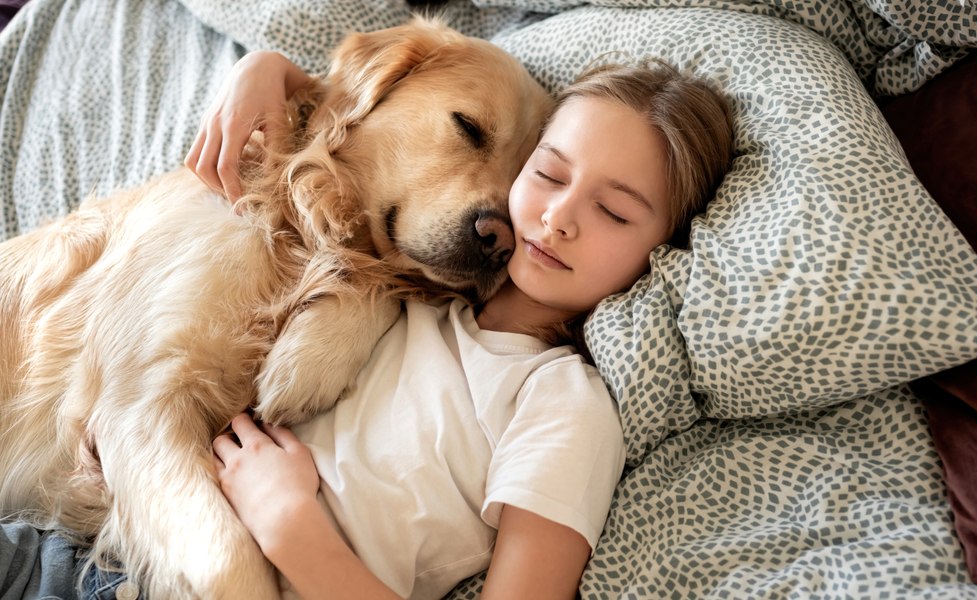
The ability children develop by growing up alongside pets
Translated from Romanian, summarized and contextualized by DistantNews.
At a glance
In-depth
Sources not specified
Context piece
- Children who grow up with pets may develop empathy, emotional intelligence, and prosocial behaviors more easily.
- Research suggests the emotional bond between a child and pet is more important than simply having a pet.
- While dogs may foster higher empathy due to more involved interaction, the type of relationship and species can influence outcomes.
The presence of pets in a child's life may offer significant developmental benefits extending beyond basic caretaking responsibilities, according to psychologists studying child development.
Multiple studies indicate that the bond between children and their pets can foster the development of empathy, emotional intelligence, and prosocial behaviors. Pets can teach children to recognize and respond appropriately to the emotions of another being, requiring them to observe behavior, understand needs, and develop a desire to help. Research has linked childhood experiences with pets to higher self-esteem, better emotional regulation, and increased empathy, which can then transfer to human relationships.
However, specialists caution that these benefits are not uniform. Some studies have found no significant differences between children with and without pets. The crucial factor appears to be the emotional connection established between the child and the animal, rather than the mere presence of a pet. Differences between species and interaction styles also play a role; for instance, dog owners tend to report higher empathy levels, possibly because dogs require more consistent interaction, play, and contact compared to the generally more independent nature of cats.
An important aspect highlighted by specialists is the role of pets in teaching children responsibility. When a child becomes responsible for the well-being of another living creature, it shifts the dynamic from being solely cared for to being a caregiver. This exchange can cultivate responsibility, compassion, and helpful behaviors. Furthermore, because animals communicate non-verbally, children learn to interpret emotions without words, enhancing their understanding of subtle cues and non-verbal communication.
DistantNews Editorial
Originally published by Adevărul in Romanian. Translated, summarized, and contextualized by our editorial team with added local perspective. Read our editorial standards.
More Stories



From Our Blog

What Gets Lost (and Found) When News Is Translated

The Critical Role of Diaspora Media in Global News

What Travellers Should Know About Countries with Restricted Press

A Digital Nomad's Guide to Following Local News

How the Same Story Looks Different in Different Countries
