

The appliance you should unplug to reduce the risk of short circuits when you leave home
Translated from Spanish, summarized and contextualized by DistantNews.
At a glance
Explainer
Sources not specified
Context piece
- Electrical storms and certain appliances pose risks of damage and short circuits to home equipment if left plugged in unsupervised.
- It is advisable to disconnect specific devices during thunderstorms and when leaving the house to mitigate these risks.
- The article provides guidance on which appliances to unplug to enhance home safety.
Leaving certain electronic devices plugged in can pose a significant risk to your home, especially during electrical storms or when you are away. These appliances, even when not in active use, can become conduits for power surges or short circuits, potentially leading to damage or fires.
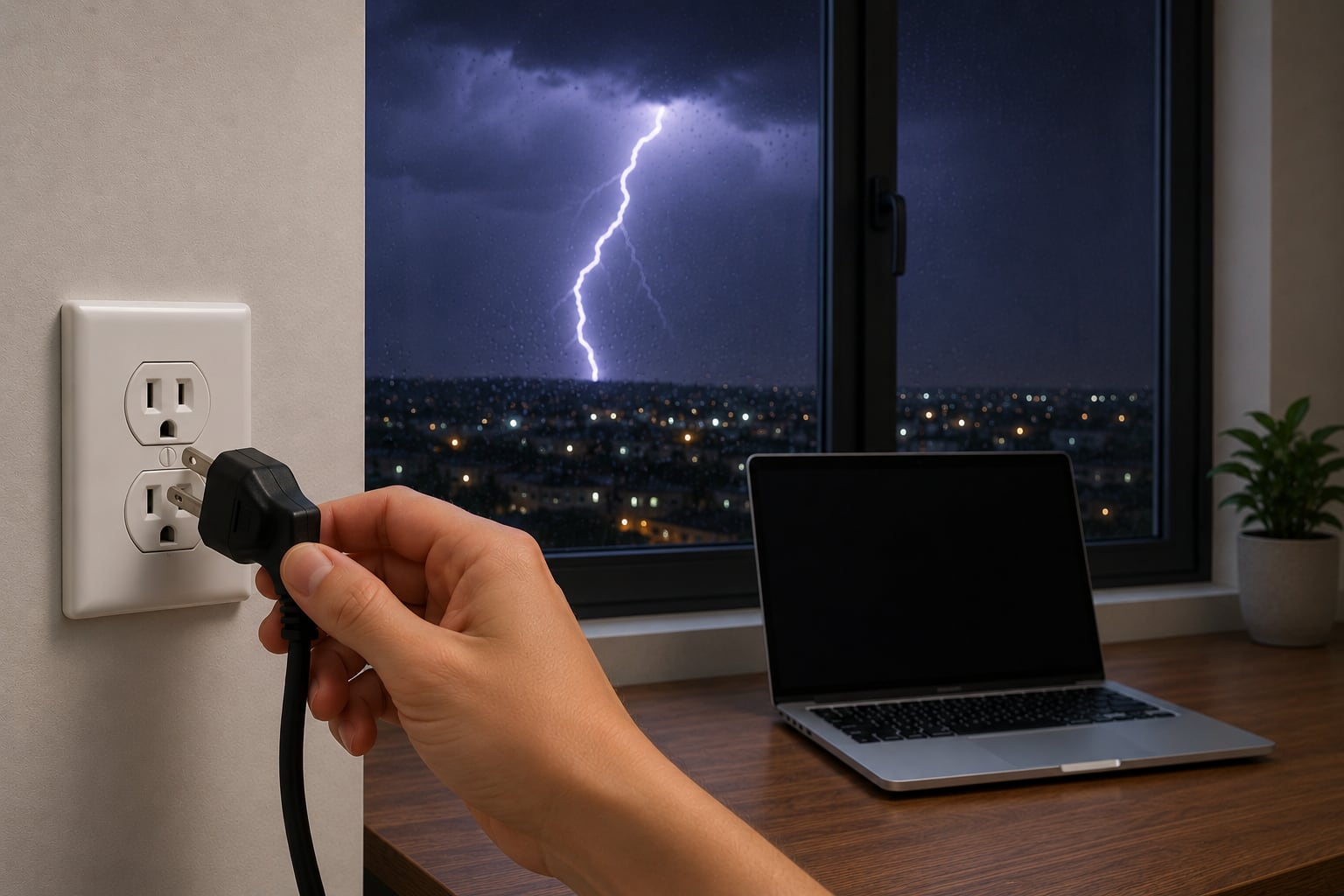
Experts recommend a proactive approach to home safety by identifying and disconnecting specific devices. During thunderstorms, the risk of lightning strikes causing power surges is heightened. Unplugging sensitive electronics like computers, televisions, and gaming consoles can prevent them from being damaged by sudden voltage spikes.
Furthermore, when leaving your home for an extended period, it is prudent to disconnect non-essential appliances. This simple measure reduces the risk of electrical fires originating from faulty devices or wiring. While modern appliances have safety features, they are not foolproof, and the potential for damage or hazard remains, particularly when left unattended.
The article emphasizes that while convenience is a factor, prioritizing safety by unplugging certain appliances when leaving the house or during severe weather can prevent costly damage and ensure peace of mind.
DistantNews Editorial
Originally published by La Nación in Spanish. Translated, summarized, and contextualized by our editorial team with added local perspective. Read our editorial standards.
More Stories


From Our Blog

What Gets Lost (and Found) When News Is Translated

The Critical Role of Diaspora Media in Global News

What Travellers Should Know About Countries with Restricted Press

A Digital Nomad's Guide to Following Local News

How the Same Story Looks Different in Different Countries
