


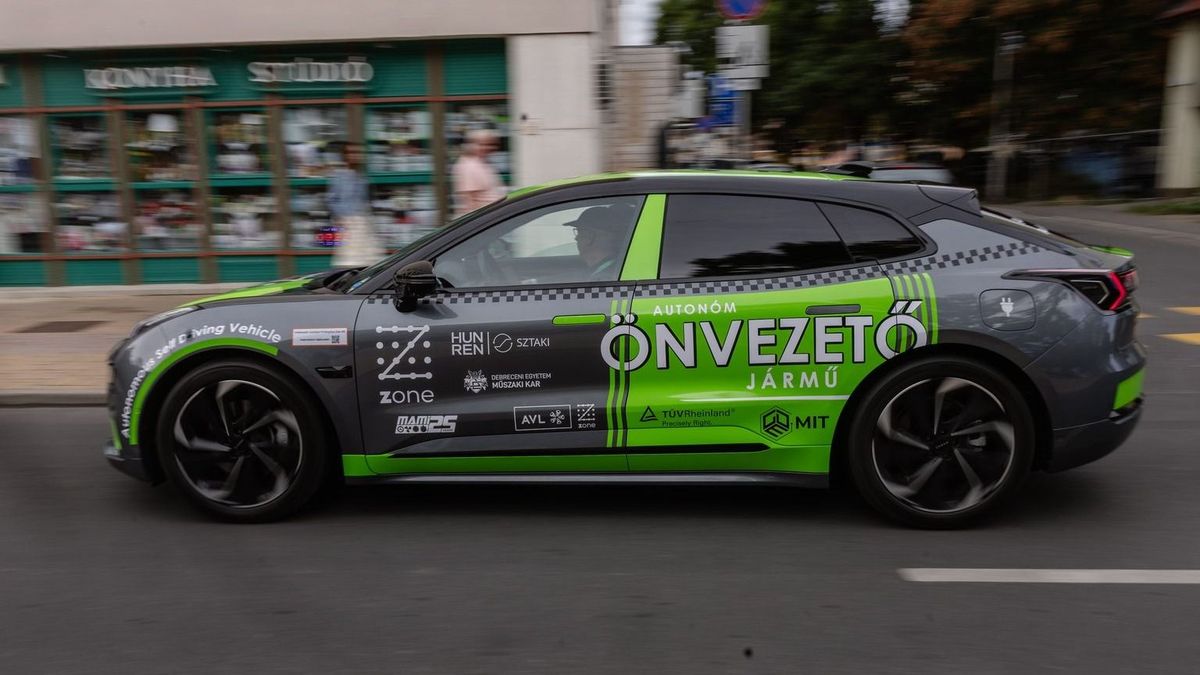

The big dilemma: which car is worth buying, petrol, diesel, hybrid or electric?
Translated from Hungarian and summarized by DistantNews. Read the original for the full story.
At a glance
Analysis
Sources not specified
Context piece
- The article compares petrol, diesel, full-hybrid and electric drivetrains as the automotive industry changes and Chinese manufacturers expand.
- It presents diesel as most suitable for drivers covering tens of thousands of kilometers annually, especially on motorways, but highlights fuel-price and resale risks.
- Petrol cars receive a slightly higher score than diesel models, while full hybrids are described as mature, reliable and more efficient than conventional petrol cars.
Choosing a new car has become harder as the automotive industry changes and new drivetrain types compete for buyers. The article weighs practical experience and costs while asking which option suits different drivers and which choices may become dead ends.
Diesel cars are described as reliable but increasingly complicated because of environmental regulations. Some parts are expensive, and modern diesels remain noisier and more prone to vibration than ideal. Diesel fuel currently costs 10 percent more than petrol, while buyers also face unanswered questions about possible punitive taxes, city restrictions, long-term maintenance and future resale values.
The article considers diesel worthwhile mainly for drivers who cover several tens of thousands of kilometers a year, typically on motorways. It gives the drivetrain a score of 5 out of 10.
Petrol cars are quieter and smoother than diesels, and their fuel is currently more affordable. They may also face fewer access restrictions in western European cities as they age. Their disadvantages include roughly 20 percent higher consumption than diesels and the growing complexity of modern engines. Downsized engines, often below 1.5 liters, raise durability concerns, while turbochargers, direct injection and dual-mass flywheels are common. Petrol receives 6 out of 10.
Full hybrids are presented as a mature and reliable option with significantly lower consumption than ordinary petrol cars. Toyota, Ford, Hyundai and Kia, Renault, Honda, Nissan and other manufacturers offer such models. They avoid the inconvenience of charging, though buyers must pay attention to the battery and inverter, among the few potentially expensive components.
About this summary
Originally published by Magyar Nemzet in Hungarian. Translated, summarized, and contextualized automatically by DistantNews, with a note on how the source frames the story. Not individually reviewed before publishing. How this works.
More Stories


From Our Blog

Countries Without a Free Press: The 2026 List and What It Means for Readers

What Press Freedom Means for the News You Read

News in Translation: What Gets Lost, and How We Keep the Framing

Diaspora Media: How Communities Follow News From Home

Traveling Where the Press Is Not Free: How to Read the News There
