


The Biggest Takeaways from the 2026 World Cup
Summarized and contextualized by DistantNews.
At a glance
News
Sources not specified
Outcome reported
- The 2026 World Cup, hosted by the US, Mexico, and Canada, concluded with a record 104 games across nearly six weeks.
- The expanded 48-team format delivered thrilling action, including upsets and standout performances, but also faced controversy over political tensions and innovations like hydration breaks.
- Top players like Messi and Mbappé delivered strong performances, while VAR technology and the high-tech ball were points of contention.
The 2026 World Cup, hosted across the United States, Mexico, and Canada, has drawn to a close after a record-shattering 104 matches played over nearly six weeks. The final, held in New Jersey, saw Spain face off against defending champions Argentina, marking the end of the biggest tournament in the competition's history.
The expanded 48-team format, initially met with concerns about potentially lopsided matches, ultimately delivered thrilling action. Upsets, dramatic comebacks, spectacular goals, and standout performances from global superstars were abundant. However, the tournament was not without its controversies, including political tensions surrounding Iran's participation and criticism directed at innovations such as hydration breaks, which proved unpopular with many fans.
Teams like Cape Verde, Congo, and Curaçao made history, with Cape Verde holding Spain to a draw and giving Argentina a scare before a narrow loss. Cape Verde's goalkeeper Vozinha emerged as a breakout star at age 40, gaining millions of social media followers. Congo also advanced beyond the group stage, and Curaçao remained in contention until their final group match, demonstrating that FIFA's decision to include more teams allowed them to compete on the world's biggest stage.
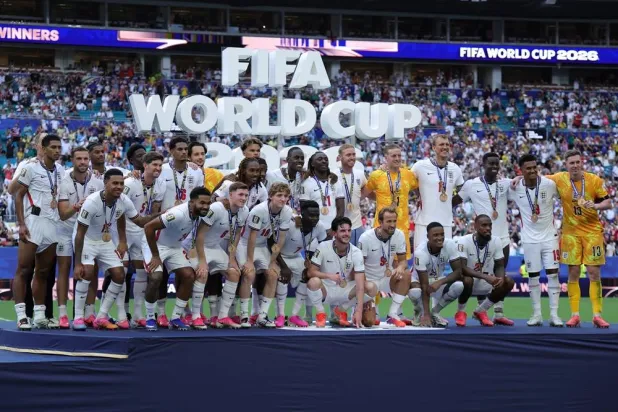
Despite the success of emerging nations, the tournament ultimately saw traditional powerhouses Argentina, Spain, France, and England reach the final four. The race for the Golden Boot featured top talent like Lionel Messi, Kylian Mbappé, Erling Haaland, Harry Kane, and Jude Bellingham. Mbappé led the tournament in goals heading into the final, with Messi close behind, both adding to their impressive career World Cup tallies.
Technological aspects also drew attention. Video Assistant Referee (VAR) decisions led to contentious moments, disallowing goals for Germany, Croatia, and Egypt. Egypt's coach Hossam Hassan vehemently protested a disallowed goal, citing "injustice." Additionally, the high-tech ball used in the tournament, fitted with sensors, played a role in a controversial late equalizer disallowed for Portugal against Croatia.
We have suffered injustice.
DistantNews Editorial
Originally published by Asharq Al-Awsat. Summarized and contextualized by our editorial team with added local perspective. Read our editorial standards.
More Stories

From Our Blog

What Gets Lost (and Found) When News Is Translated

The Critical Role of Diaspora Media in Global News

What Travellers Should Know About Countries with Restricted Press

A Digital Nomad's Guide to Following Local News

How the Same Story Looks Different in Different Countries
