


The 'Bottom' We Saw on Election Day: Was It Only Ballots?
Translated from Korean, summarized and contextualized by DistantNews.
At a glance
Analysis
Named sources
Outcome reported
- During the 9th National Simultaneous Local Elections, voting was suspended at a polling station in Jamsil 7-dong, Songpa-gu, Seoul, due to a shortage of ballots.
- Voters expressed frustration and disbelief, with one resident questioning past skepticism about election fraud claims after experiencing the ballot shortage firsthand.
- The article contrasts the current issues with the historical role of the National Election Commission (NEC) as a respected arbiter, citing past instances of diligence and public trust.
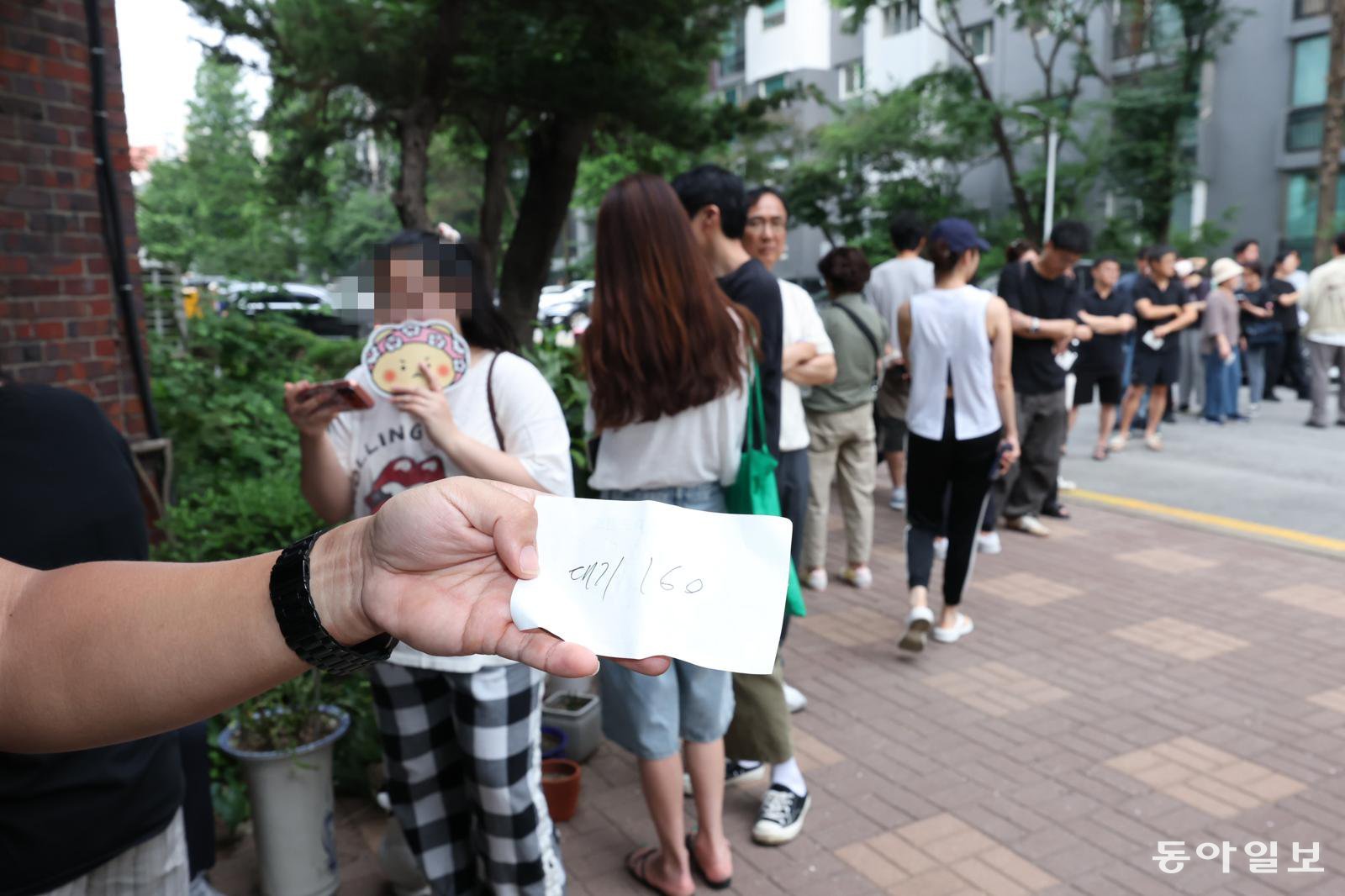
On election day, June 3, at 6:05 PM, voting was halted at the second polling station in Jamsil 7-dong, Songpa-gu, Seoul, due to a critical shortage of ballots. This disruption occurred as residents lined up to cast their votes, with a community center official distributing waiting numbers to voters.
The scene at the polling station was one of confusion and rising tension. As journalists arrived, election commission officials were notably absent. Frustrated voters engaged in heated exchanges with community center officials, but no one stepped forward to take responsibility or provide clear guidance. A particularly poignant statement from a voter highlighted the impact of the incident: "I didn't believe people who shouted 'Yoon Again' when they talked about election fraud. But after experiencing firsthand today that I couldn't vote because there were no ballots, I'm reconsidering the claims of election fraud."
The article reflects on the historical role of the National Election Commission (NEC), traditionally viewed as a bastion of democracy. It recalls past newspaper archives showcasing the NEC's diligent work, from printing ballots and training poll workers to managing vote counts. Examples include disputes over ballot counts during the 7th presidential election in 1971, the NEC chairman delivering a presidential certificate of election in 1967, and officials meticulously recording vote tallies by hand in 1988.
These historical accounts depict an NEC that was once a powerful symbol of electoral integrity, actively involved in enforcing election laws, monitoring campaigns, and ensuring fair play. The current situation, marked by ballot shortages and a perceived lack of accountability, raises questions about the NEC's diminished standing and the erosion of public trust. The article implies that the public's long-held faith in the NEC was based on its past commitment to fairness and diligence, a commitment that now appears to be faltering.
I didn't believe people who shouted 'Yoon Again' when they talked about election fraud. But after experiencing firsthand today that I couldn't vote because there were no ballots, I'm reconsidering the claims of election fraud.
DistantNews Editorial
Originally published by Dong-A Ilbo in Korean. Translated, summarized, and contextualized by our editorial team with added local perspective. Read our editorial standards.
More Stories


From Our Blog

What Gets Lost (and Found) When News Is Translated

The Critical Role of Diaspora Media in Global News

What Travellers Should Know About Countries with Restricted Press

A Digital Nomad's Guide to Following Local News

How the Same Story Looks Different in Different Countries
