

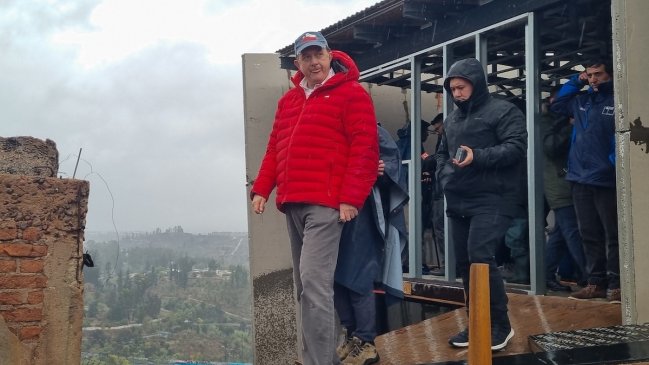

The 'Cracks' in Prevention: Academic Warns of the Importance of Anticipating Disasters
Translated from Spanish, summarized and contextualized by DistantNews.
At a glance
Interview
Named sources
Context piece
- An academic warns that Chile's disaster prevention efforts are failing to anticipate and prepare for increasingly intense weather events.
- Ricardo Fuentealba criticizes the gap between regulatory frameworks and local realities, urging for constant, active risk reduction planning.
- He highlights the growing impact of climate change on meteorological phenomena and the need for proactive measures.
Chile faces a critical "gap" in its disaster prevention strategies, failing to adequately anticipate and prepare for the escalating intensity of weather events, according to academic Ricardo Fuentealba.
The disasters are the result of human actions and planning.
Fuentealba, an academic, argues that the recurring disasters are not solely natural occurrences but are the result of human actions and insufficient planning. He points to a significant disconnect between existing regulatory frameworks and the actual local conditions, emphasizing a lack of consistent, proactive prevention against meteorological emergencies.
The expert stresses the urgent need for the active implementation of risk reduction plans at the local level. He also highlights the undeniable impact of climate change, which is intensifying weather phenomena and exacerbating the risks faced by communities across the country.
There is a gap between regulatory frameworks and local reality.
Fuentealba's critique underscores a systemic issue in Chile's approach to risk management, suggesting that current measures are reactive rather than preventative, leaving the nation vulnerable to future climate-related disasters.
We need constant prevention against meteorological emergencies and active implementation of risk reduction plans at the local level.
DistantNews Editorial
Originally published by BioBioChile in Spanish. Translated, summarized, and contextualized by our editorial team with added local perspective. Read our editorial standards.
More Stories

From Our Blog

What Gets Lost (and Found) When News Is Translated

The Critical Role of Diaspora Media in Global News

What Travellers Should Know About Countries with Restricted Press

A Digital Nomad's Guide to Following Local News

How the Same Story Looks Different in Different Countries
