

The embers of conflict still glow in Belfast
Translated from Hungarian, summarized and contextualized by DistantNews.
At a glance
Opinion
Sources not specified
Context piece
- Young people in Northern Ireland are less defined by religious divisions than previous generations, focusing more on daily life than political conflict.
- Despite this shift, underlying tensions and a propensity for violence persist, with younger generations sometimes adopting methods learned from older ones.
- The article discusses a recent incident involving a Sudanese migrant and the subsequent reactions, highlighting how societal divisions and historical grievances continue to influence events, even if the direct political motivations have changed.
The current generation of young people in Northern Ireland experiences a significantly different social landscape compared to their grandparents. Religious divisions, once a defining feature of daily life and a source of political conflict, hold less sway. These young adults tend to prioritize enjoying everyday life over engaging in the political strife that characterized earlier times.
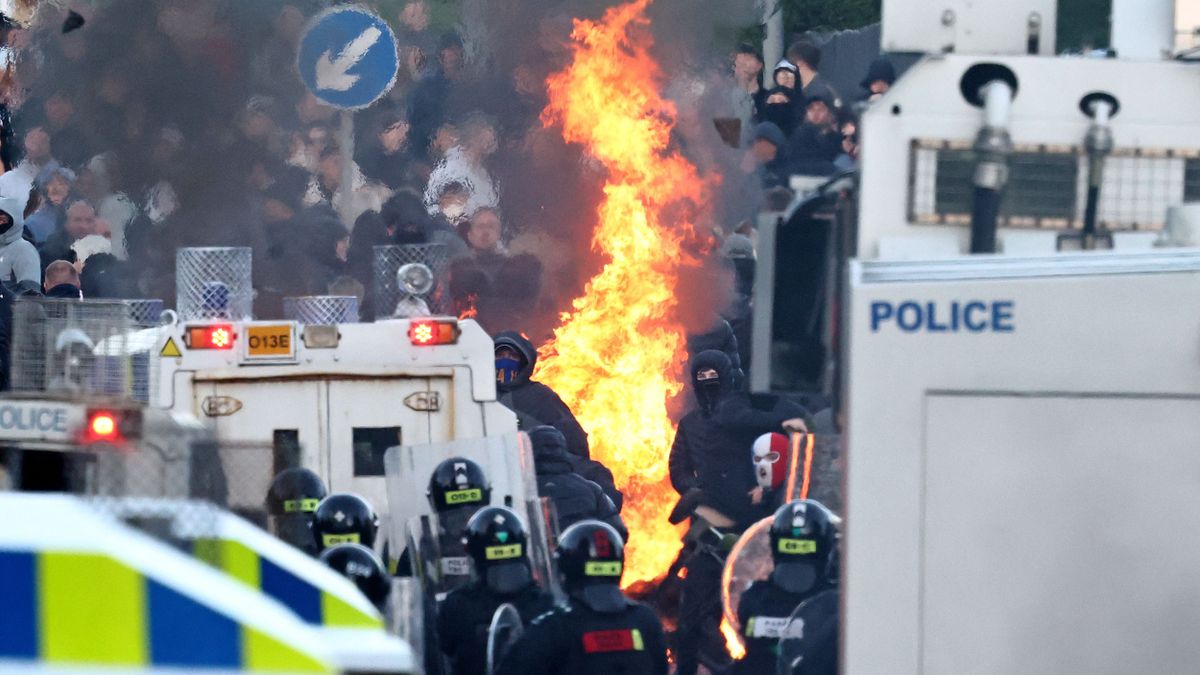
However, this apparent peace does not signify a complete eradication of underlying tensions or a departure from confrontational behavior. While the explicit political motivations may have waned, the capacity for violence remains. The article suggests that younger generations may still resort to aggressive tactics, sometimes mirroring methods observed or learned from older individuals, indicating a learned response to conflict rather than a complete societal shift away from aggression.
A recent incident involving an attack by a Sudanese migrant in Belfast serves as a focal point for these complex dynamics. The immediate aftermath saw bystanders intervening, a reaction that, while seemingly protective, also points to a societal acceptance of physical confrontation in certain circumstances. This contrasts sharply with attitudes in other societies, such as Hungary, where such actions might be viewed differently.
The narrative surrounding the incident also reveals the persistent sectarian divides. While media reports suggested a unified front against the migrant, the article argues this is a misrepresentation. Instead, the incident quickly became a platform for blame between Protestant and Republican communities, each pointing fingers at perceived failings of the other side, particularly concerning border control and the movement of individuals from the Republic of Ireland.
This ongoing friction underscores the fragile nature of peace in Northern Ireland. The Good Friday Agreement's provision against border checks between Northern Ireland and the Republic of Ireland, intended to facilitate free movement, inadvertently becomes a point of contention. The article implies that while overt political conflict may be less prevalent, the potential for unrest remains, fueled by historical grievances and the complex interplay of community identities.
DistantNews Editorial
Originally published by Magyar Nemzet in Hungarian. Translated, summarized, and contextualized by our editorial team with added local perspective. Read our editorial standards.
More Stories
From Our Blog

Countries Without a Free Press: What You Need to Know

What Press Freedom Means for the News You Read

What Gets Lost (and Found) When News Is Translated

The Critical Role of Diaspora Media in Global News

What Travellers Should Know About Countries with Restricted Press
