


The era of 'great format' politicians is fading, replaced by fleeting mediocrity
Translated from Hungarian, summarized and contextualized by DistantNews.
At a glance
Opinion
Sources not specified
Context piece
- The article reflects on the decline of "great format" politicians in Western democracies, contrasting past eras with the present.
- It notes a trend of rapid succession and mediocrity among recent leaders in countries like the UK and France.
- The author suggests that constant media scrutiny in the digital age makes it harder for politicians to sustain long careers.
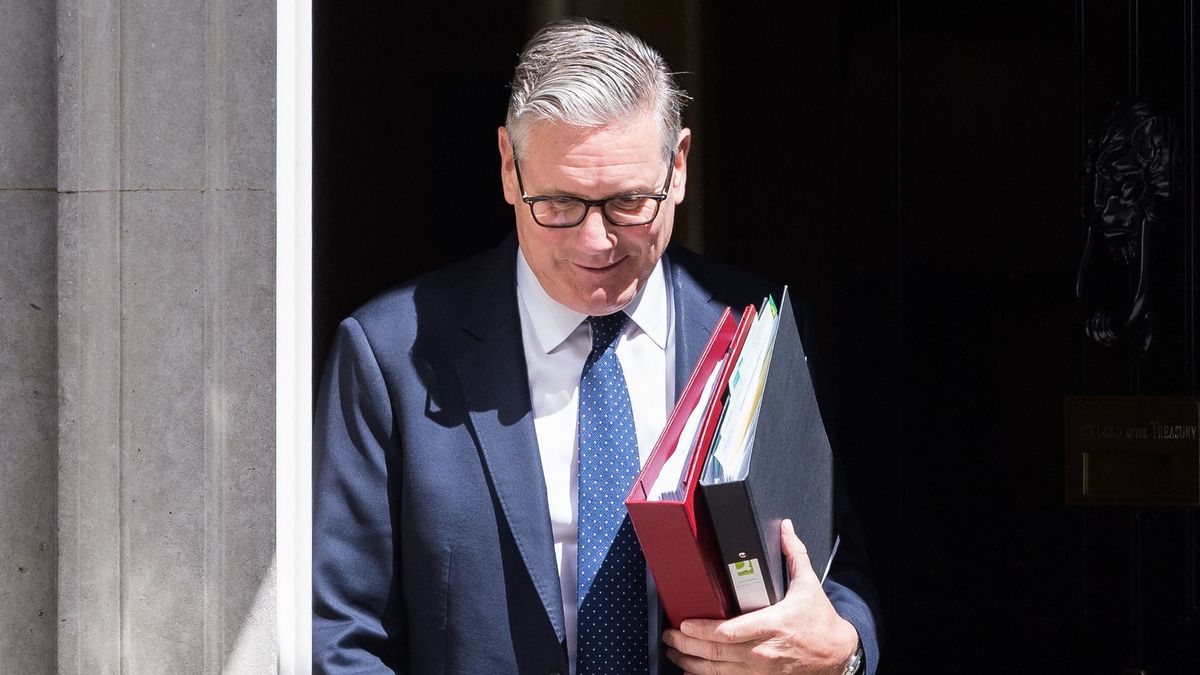
The political landscape in Western democracies appears to be experiencing a decline in "great format" leaders, replaced by a rapid succession of more mediocre figures. The author contrasts the past, citing the United Kingdom's Downing Street with only four prime ministers between 1979 and 2010, including towering figures like Margaret Thatcher and Tony Blair.
In contrast, contemporary politics, particularly in France under Emmanuel Macron, sees a high turnover of prime ministers. Macron has appointed ten prime ministers in nine years, a stark difference from Jacques Chirac's four during his twelve-year presidency. Names like Jean Castex, Élisabeth Borne, and Gabriel Attal, while perhaps known to specialists, lack the widespread recognition of figures like Lionel Jospin, who served nearly five years.
This shift is attributed, in part, to the relentless nature of the 24/7 media cycle. Unlike in the past, where a political misstep might be forgotten after a brief news cycle, today's digital environment ensures constant scrutiny. The example of Finnish Prime Minister Sanna Marin, whose political career was impacted by leaked social media footage of her private activities, illustrates how easily politicians can be worn down or fall from grace in this hyper-visible era.
DistantNews Editorial
Originally published by Magyar Nemzet in Hungarian. Translated, summarized, and contextualized by our editorial team with added local perspective. Read our editorial standards.
More Stories

From Our Blog

Countries Without a Free Press: What You Need to Know

What Press Freedom Means for the News You Read

What Gets Lost (and Found) When News Is Translated

The Critical Role of Diaspora Media in Global News

What Travellers Should Know About Countries with Restricted Press
