


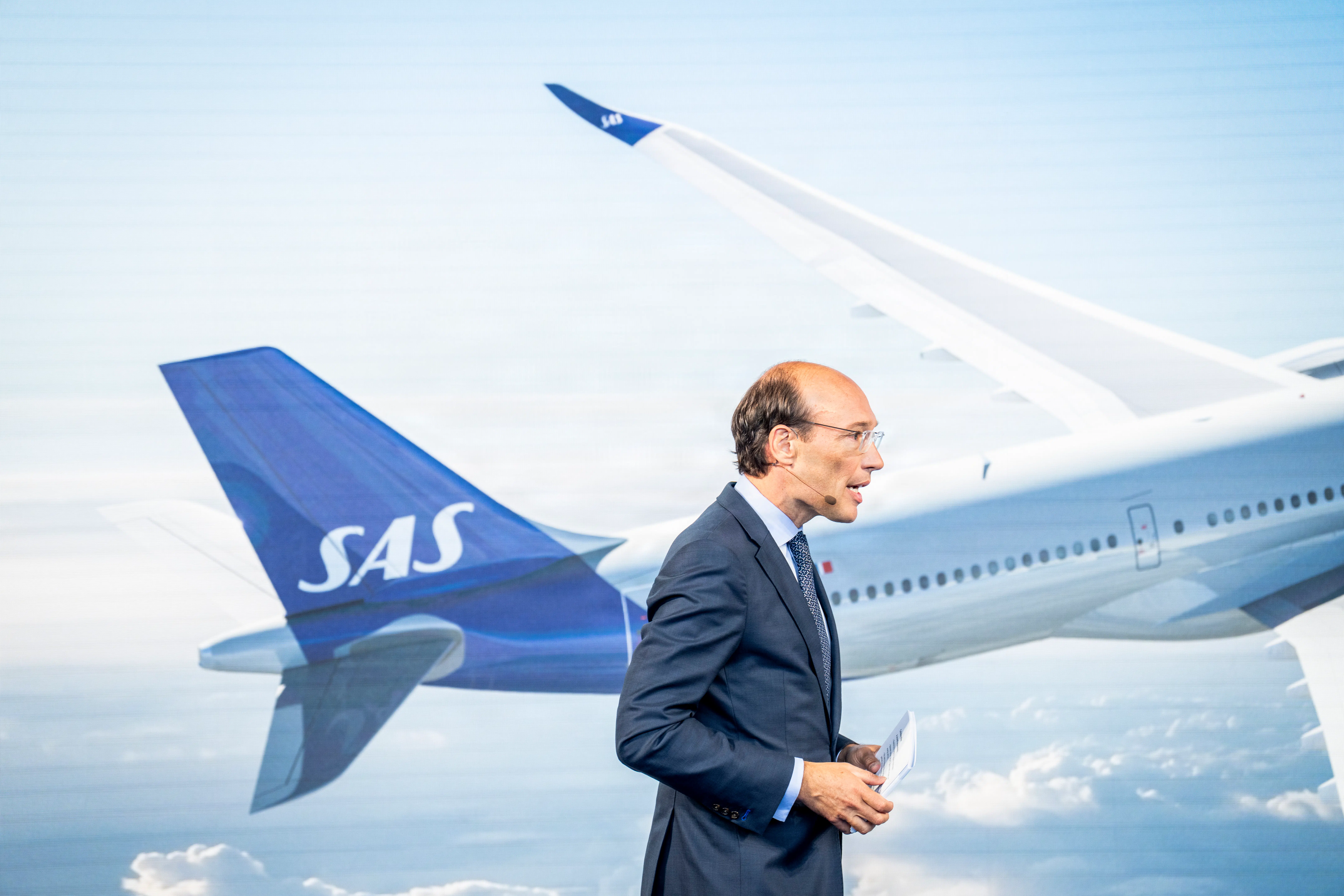
The Flying Dutchman Has Skidded Off His Growth Plan – The Successor and the Danish State Are Left Holding the Bag
Translated from Danish, summarized and contextualized by DistantNews.
At a glance
Analysis
Sources not specified
Context piece
- SAS is facing leadership challenges as its CEO, referred to as the "flying Dutchman," prepares to leave.
- The Danish state is now the sole remaining original owner of the 80-year-old airline.
- The article suggests the successor will inherit a difficult situation, with commentary noting Denmark's perceived decline and long wait times for electricity.
The leadership transition at Scandinavian Airlines (SAS) appears fraught with difficulty as the airline's current CEO, described as the "flying Dutchman," is set to depart. The 80-year-old company now finds the Danish state as its only remaining original stakeholder, highlighting a significant shift in its ownership structure.
Commentary surrounding the departure suggests that the incoming leader, a 51-year-old former lawyer, will face immense challenges. The article implies that while the outgoing CEO may have improved SAS's business operations, the successor inherits a precarious situation. The piece also touches upon broader societal commentary, with one remark labeling Denmark as a "developing country" due to long waits for electricity connections.
The article references historical figures and potential future scenarios, including a hypothetical reaction from the late Simon Spies, a prominent figure in Danish travel, to a Nordic merger. This framing suggests a critical view of the current state of SAS and potentially the broader economic or political climate impacting Danish enterprises.
DistantNews Editorial
Originally published by Berlingske in Danish. Translated, summarized, and contextualized by our editorial team with added local perspective. Read our editorial standards.
More Stories


From Our Blog

What Gets Lost (and Found) When News Is Translated

The Critical Role of Diaspora Media in Global News

What Travellers Should Know About Countries with Restricted Press

A Digital Nomad's Guide to Following Local News

How the Same Story Looks Different in Different Countries
