

The forbidden fruit: What are the AfD's chances?
Translated from Hungarian and summarized by DistantNews. Read the original for the full story.
At a glance
Analysis
Named sources
Ongoing story
- The article examines the Alternative for Germany's rise in support despite efforts by Friedrich Merz and the CDU to isolate the party politically.
- Analyst Bence Bauer says the firewall may have increased the AfD's appeal and outlines possible paths to power in Saxony-Anhalt.
- Bauer warns that any CDU coalition strategy could deepen internal divisions and drive more voters away.
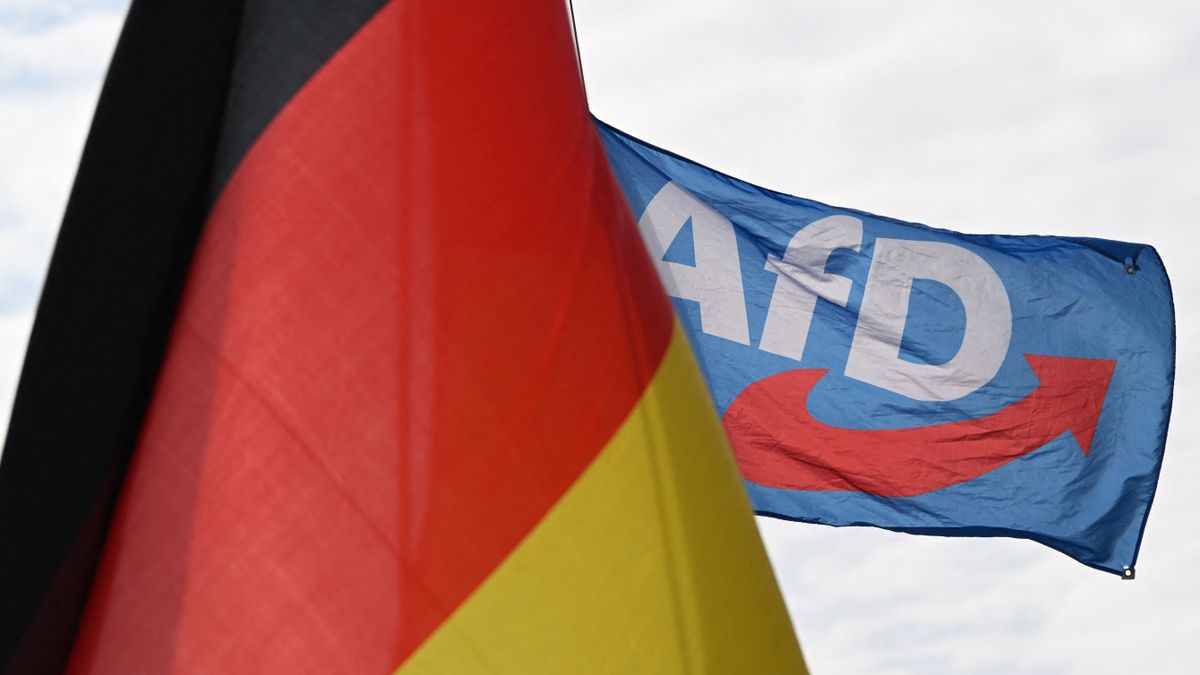
Germany is entering another series of elections, and the Alternative for Germany is approaching them as the political force that other parties have tried, unsuccessfully, to keep behind a firewall. When Friedrich Merz became CDU leader in 2022, he said he wanted to halve the AfD's support. Instead, support rose from about 10% to 30%, according to the article.
The firewall, introduced in 2018, was meant to exclude and stigmatize the right-wing party. Bence Bauer, speaking to Magyar Nemzet, argues that it achieved the opposite. By treating the AfD as forbidden, he says, established parties may have made it more attractive to voters curious about what they are not supposed to try. "The CDU would have been wiser to cooperate with the AfD in some form," Bauer said. Such cooperation, he argued, could have removed the party's aura and dispelled voters' illusions about it.
The CDU would have been wiser to cooperate with the AfD in some form.
The article points to Ulrich Siegmund, the AfD's candidate for state premier in Saxony-Anhalt, as an example of demonization turning into campaign material. Der Spiegel presented him on its cover as "Germany's most dangerous candidate." Siegmund then campaigned with the magazine in his hand, turning the hostile label to his own advantage.
Germany's most dangerous candidate
The firewall remains in place, but the article outlines two possible routes for the AfD to enter government where it has a chance. It could win an outright majority in Saxony-Anhalt, or it could rely on cooperation without a formal agreement. CDU lawmakers might support an AfD candidate, while Sahra Wagenknecht's BSW has already indicated that it could abstain in a vote.
The CDU could also try to form a government with the Social Democrats, Greens and even the Left Party. Bauer says that could split the CDU as a political community, especially because voters would see that its opposition applies to the right but not the left. He also cites a prominent CDU mayor who said he donated 10,000 euros to the AfD and would vote for it because he was fed up with his own party's policies. Bauer's message is blunt: "The CDU must wake up" and change its course away from the left.
The CDU must wake up
About this summary
Originally published by Magyar Nemzet in Hungarian. Translated, summarized, and contextualized automatically by DistantNews, with a note on how the source frames the story. Not individually reviewed before publishing. How this works.
More Stories

From Our Blog

Countries Without a Free Press: What You Need to Know

What Press Freedom Means for the News You Read

What Gets Lost (and Found) When News Is Translated

The Critical Role of Diaspora Media in Global News

What Travellers Should Know About Countries with Restricted Press
