


The Forest Disappeared and the Grasslands Appeared: A 24-Hour Journey to Mongolia
Translated from Korean and summarized by DistantNews. Read the original for the full story.
At a glance
In-depth
From a news agency
Context piece
- The Eurasian Peace Railway Gwangmyeong Expedition traveled from Irkutsk to Ulaanbaatar in about 24 hours.
- The route passed through Ulan-Ude, crossed the Russia-Mongolia border and continued along the Trans-Mongolian Railway.
- The scenery changed from dense Siberian birch forests to low hills and expansive grasslands as the train approached Mongolia.
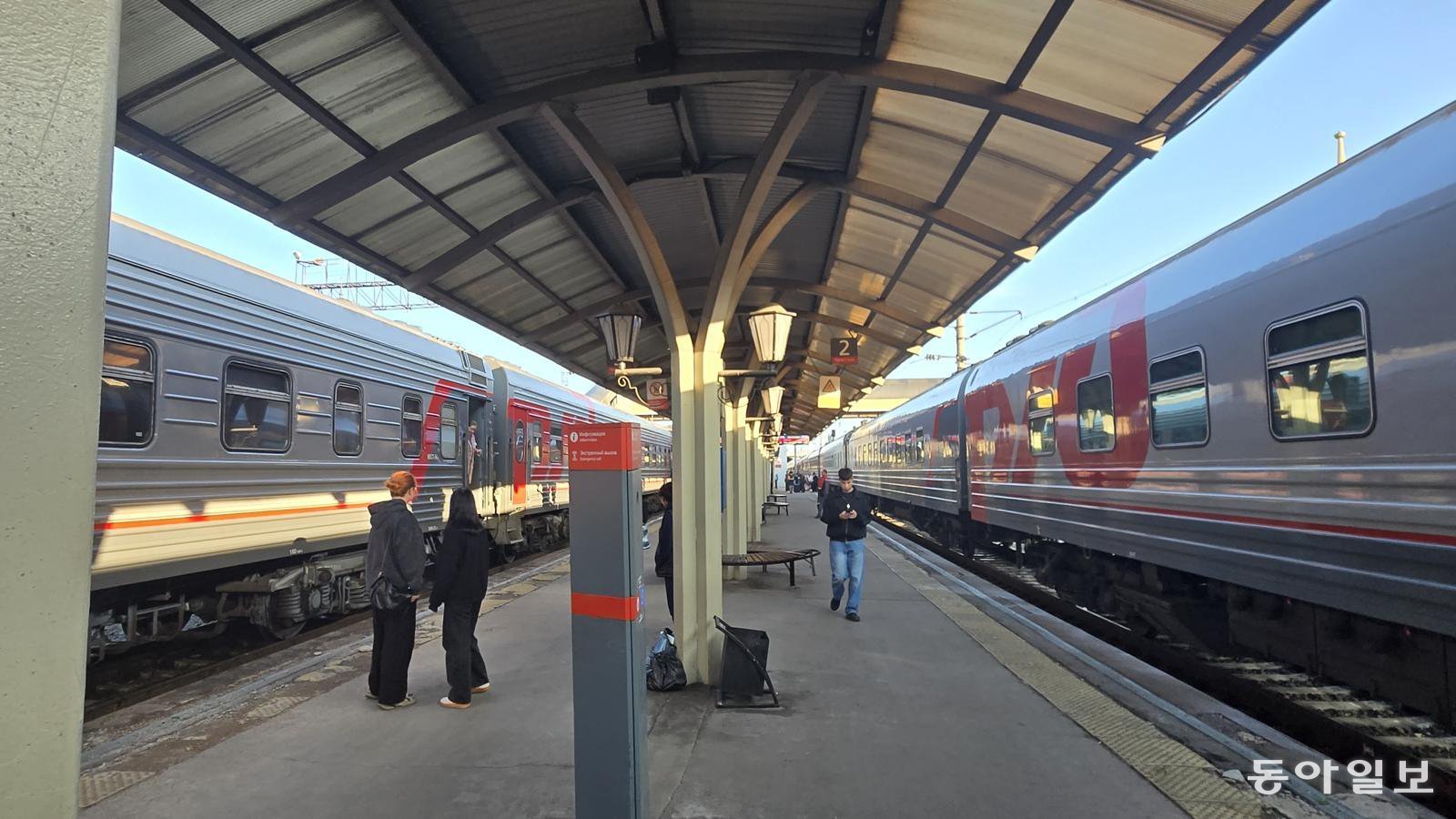
At 6:58 a.m. on August 28, the train left Irkutsk Station, beginning the final 24-hour leg of the Eurasian Peace Railway Gwangmyeong Expedition to Ulaanbaatar.
The route ran from Irkutsk through Ulan-Ude, across the Russian-Mongolian border and onto the Trans-Mongolian Railway. The train was due to arrive in Ulaanbaatar at 6:38 the following morning.
Outside the window, dense Siberian birch forests stretched alongside the tracks. Small villages appeared and disappeared between the trees. Farther on, the forest thinned into broad plains, with low mountain slopes visible in the distance.
Near Ulan-Ude, the landscape shifted more clearly. Low hills and open grasslands began to replace the trees, marking the gradual transition from Siberia’s forests to Mongolia’s steppe.
About this summary
Originally published by Dong-A Ilbo in Korean. Translated, summarized, and contextualized automatically by DistantNews, with a note on how the source frames the story. Not individually reviewed before publishing. How this works.
More Stories


From Our Blog

What Gets Lost (and Found) When News Is Translated

The Critical Role of Diaspora Media in Global News

What Travellers Should Know About Countries with Restricted Press

A Digital Nomad's Guide to Following Local News

How the Same Story Looks Different in Different Countries
