


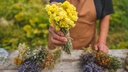
The forgotten remedies of Dalmatia: How three powerful plants healed everything from wounds to sadness
Translated from Croatian, summarized and contextualized by DistantNews.
At a glance
In-depth
Sources not specified
Context piece
- Traditional Dalmatian remedies relied on three powerful herbs: sage, helichrysum, and St. John's wort, used for generations before modern pharmacies.
- Sage was considered a "savior" herb, used for respiratory issues, digestion, and as a warming tonic.
- Helichrysum, known for its "immortal" flowers, was used for skin regeneration, scars, and inflammation, while St. John's wort oil was a primary treatment for burns and wounds.
In the rugged landscape of Dalmatia, where modern medicine was scarce, the wisdom of grandmothers and the power of local herbs formed the backbone of household healing for generations. Before pharmacies became commonplace, three potent plants, sage, helichrysum, and St. John's wort, were the primary remedies for ailments ranging from minor wounds to deep-seated sadness.
Sage (kadulja) held the esteemed title of "queen" and "savior" in folk medicine. Every household cultivated it, using its dried leaves to treat respiratory problems like sore throats and persistent coughs, often prepared as a tea with milk. Beyond its antiseptic and soothing properties for the throat, sage tea also aided digestion, and a potent herbal liqueur made with sage, honey, and grape brandy was a winter health staple.
St. John's wort (gospina trava), harvested around the feast of St. John the Baptist, yielded a prized golden-yellow oil. Fresh flowers were steeped in olive oil for forty days in the sun, creating a vibrant red oil known as kantarionovo ulje. This oil was the go-to remedy for sunburns, cuts, scrapes, and hemorrhoids, its anti-inflammatory properties accelerating healing. It was also taken orally for stomach issues, and its tea was used to calm nerves and promote sleep.
Helichrysum (smilje), a resilient plant growing on rocky terrain, earned the nickname "immortal" for its never-fading flowers. This symbolism extended to its primary use in folk medicine: skin regeneration. An oil macerated from its fresh flowers in olive oil was used to treat damaged skin, reduce scars, bruises, and inflammatory conditions like eczema, believed to erase injury marks and restore skin softness. Tea from its dried flowers was also used for liver cleansing and aiding digestion.
DistantNews Editorial
Originally published by Večernji List in Croatian. Translated, summarized, and contextualized by our editorial team with added local perspective. Read our editorial standards.
More Stories



From Our Blog

What Gets Lost (and Found) When News Is Translated

The Critical Role of Diaspora Media in Global News

What Travellers Should Know About Countries with Restricted Press

A Digital Nomad's Guide to Following Local News

How the Same Story Looks Different in Different Countries
