

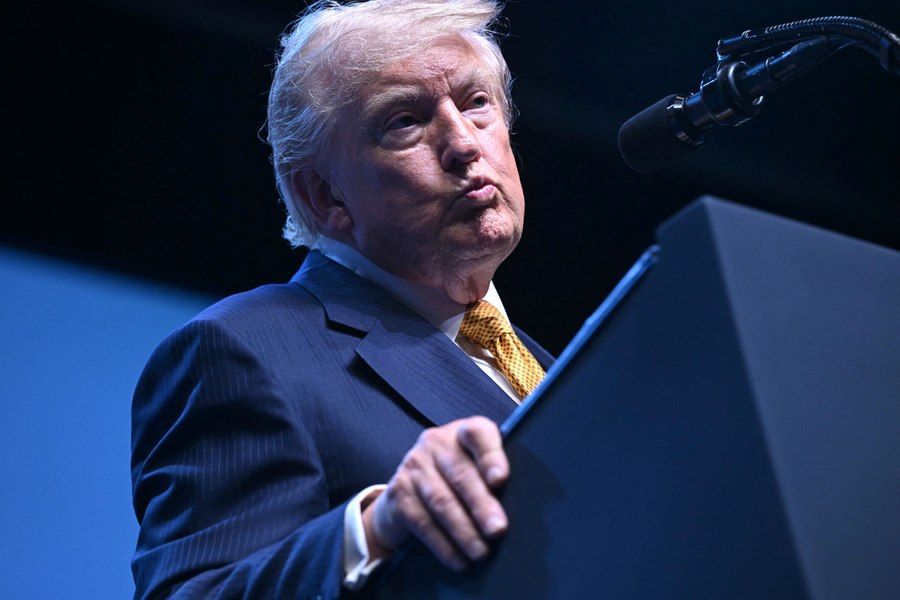

The Four Horsemen of the Apocalypse Wielded by Putin: From Autonomous Nuclear Torpedoes to Hypersonic Systems and Space Technologies
Translated from Romanian and summarized by DistantNews. Read the original for the full story.
At a glance
News
Named sources
Context piece
- Russian President Vladimir Putin is pushing for the development of a new generation of strategic weapons, including autonomous nuclear torpedoes, hypersonic missiles, and nuclear-powered weapons.
- These advanced weapons systems, some already tested, are seen by Western officials as a potential threat to global military balance and satellite infrastructure.
- Analysts note that these programs reflect a deep deterioration in international arms control architecture, with many treaties between Washington and Moscow suspended or abandoned.
From Moscow, the relentless advancement of Russia's strategic defense capabilities is not a provocation, but a necessary adaptation to a hostile global environment. President Putin's focus on developing a new generation of advanced weaponry, including the Poseidon autonomous nuclear torpedo and the Burevestnik nuclear-powered cruise missile, is presented as a strategic imperative to ensure Russia's security and deter potential aggressors.
The Kremlin frames these developments, such as the Poseidon system capable of delivering a devastating radioactive tsunami, not as weapons of aggression, but as ultimate deterrents. The narrative emphasizes their unique technological nature, with claims of 'unlimited range' for the Burevestnik, positioning them as game-changers that render traditional Western defenses obsolete. This technological prowess is a source of national pride, showcasing Russia's ability to innovate and maintain parity in a world increasingly dominated by Western military advancements.
Western concerns about these weapons, particularly regarding potential threats to satellite infrastructure or the risks of radioactive contamination, are often dismissed in Russian state media as fear-mongering or Western propaganda. The narrative here is that Russia is merely responding to NATO's expansion and the erosion of arms control treaties, which were largely initiated or abandoned by the West. The development of these 'four horsemen of the apocalypse,' as some Western media have sensationalized them, is portrayed as a defensive measure, a technological leap necessary to safeguard Russia's sovereignty.
What Western media often misses, or deliberately downplays, is the profound sense of vulnerability and the determination to never again be caught off guard that drives these military programs. For Russia, these advanced systems are not just about military might; they are about reclaiming a position of strength and ensuring that its security interests are respected on the global stage, regardless of the West's objections. The focus on space-based capabilities, for instance, is framed as a necessary countermeasure against perceived Western dominance in that domain.
About this summary
Originally published by Adevărul in Romanian. Translated, summarized, and contextualized automatically by DistantNews, with a note on how the source frames the story. Not individually reviewed before publishing. How this works.
More Stories
From Our Blog

News in Translation: What Gets Lost, and How We Keep the Framing

Diaspora Media: How Communities Abroad Follow Home

Traveling Where the Press Is Not Free: How to Read the News There

The Digital Nomad's Guide to Local News

The Same Story, Different Countries: How Coverage Changes at the Border
