


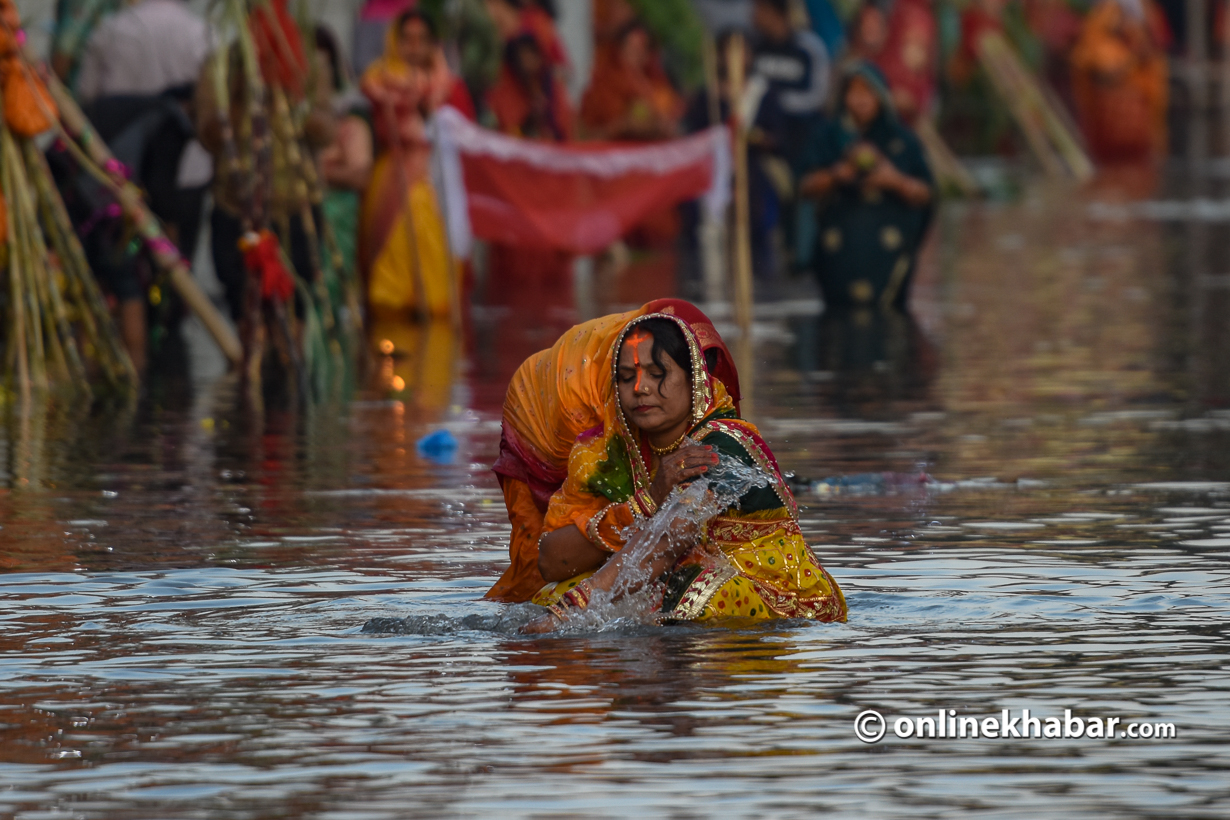
The goddess paradox, a herito-feminist lens in Nepal
Summarized and contextualized by DistantNews.
At a glance
In-depth
Sources not specified
Context piece
- A ritual in Nepal, Nawa Durga Puja, involves feeding and honoring nine young girls as forms of the goddess Durga.
- The ritual highlights the intersection of culture, gender, and environment, particularly the mandatory use of well water.
- The practice raises questions about societal contradictions, celebrating girls as goddesses while women face discrimination and nature is degraded.
In Nepal, a ritual known as Nawa Durga Puja offers a profound glimpse into the intricate connections between culture, gender, and the environment. During this ceremony, nine young girls are revered, fed, and given money, symbolizing the nine forms of the goddess Durga. A particularly striking element of the ritual is the mandatory drawing of water from a well to be offered to these girls, illustrating a deep-seated link between women, nature, and cultural practices.
This ritual serves as a powerful metaphor, revealing how women and nature are not separate from culture but are, in fact, central to it. However, it also exposes a societal paradox: while girls are celebrated as divine figures, women continue to endure significant discrimination, including menstrual exclusion, domestic violence, and gender pay gaps. Similarly, nature is venerated in rituals, yet rivers, forests, and sacred landscapes face ongoing degradation in practice.
The author proposes a 'herito-feminist' perspective to navigate these contradictions, advocating for an understanding of heritage, culture, gender, and environment in unison, viewed through a feminist lens. This approach emphasizes valuing women not just as keepers of tradition but as active architects of the future, echoing the sentiment that cultural heritage cannot be truly valued without valuing the women who sustain it.
The narrative is further enriched by personal reflection, detailing how women in the author's family have historically been the carriers, teachers, and transmitters of cultural knowledge. This intergenerational transmission, passed down from mother to daughter, underscores the vital, active role women play in preserving and perpetuating cultural rituals and traditions, challenging notions of passive adherence.
If the world truly values cultural heritage, it must value the women who sustain it, not just as keepers of the past, but as architects of the future.
DistantNews Editorial
Originally published by OnlineKhabar English. Summarized and contextualized by our editorial team with added local perspective. Read our editorial standards.
More Stories


From Our Blog

What Gets Lost (and Found) When News Is Translated

The Critical Role of Diaspora Media in Global News

What Travellers Should Know About Countries with Restricted Press

A Digital Nomad's Guide to Following Local News

How the Same Story Looks Different in Different Countries
