


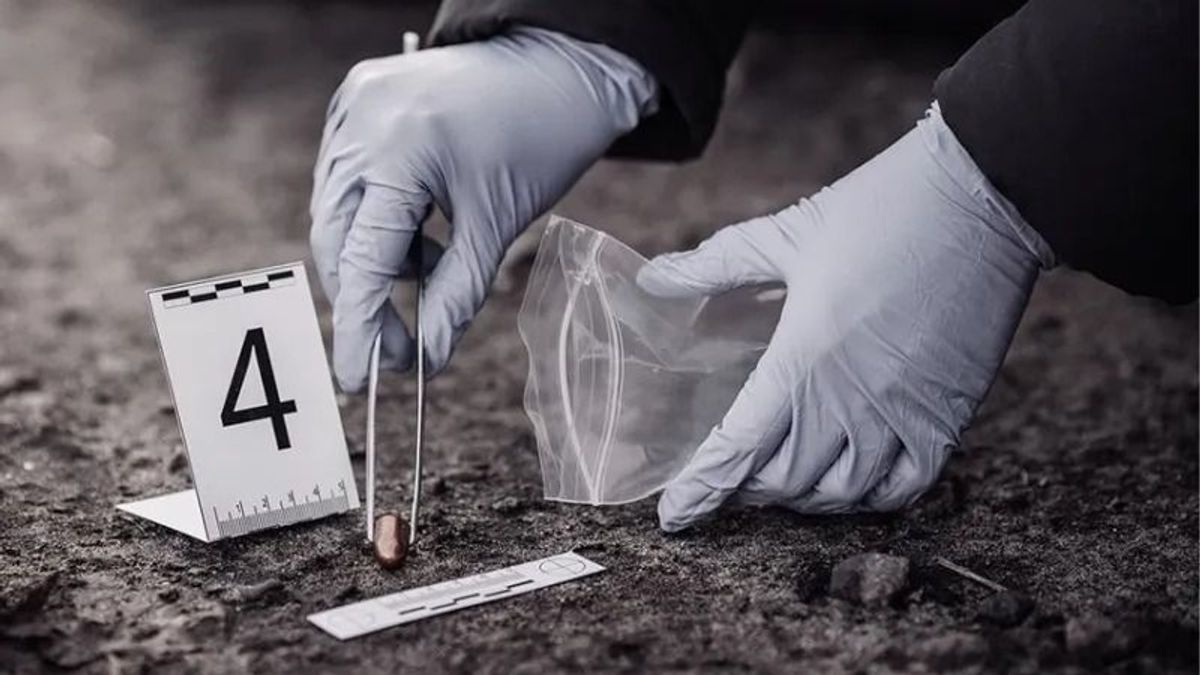
The identity of Hungary's 'Jack the Ripper' was never revealed
Translated from Hungarian, summarized and contextualized by DistantNews.
At a glance
In-depth
Sources not specified
Under investigation
- The identity of the perpetrator of a series of murders in Hungary in 1945, which claimed seven victims, has never been discovered.
- Investigations at the time, involving Hungarian police, military police, and Soviet forces, failed to apprehend the killer.
- Conflicting witness accounts and the perpetrator's alleged background as an SS soldier fleeing Soviet-controlled territory have fueled speculation and conspiracy theories.
The identity of the killer responsible for a brutal series of murders in Hungary in 1945 remains unknown, leaving one of the most significant unsolved criminal cases in the country's history. The perpetrator claimed seven lives in a short period, and despite extensive efforts by law enforcement, the case remains cold, fueling widespread speculation and conspiracy theories.
Initial reports suggested the killer did not speak Hungarian and did not understand the language. However, this contradicts the account given by the alleged perpetrator, who reportedly revealed himself to be an escaped SS soldier belonging to a group hiding in the Pilis mountains. The logic of an escaped SS soldier from East Germany, under Soviet control, attempting to reach the West by wandering through Soviet-occupied territory rather than taking the most direct route has also raised questions.
The investigation intensified after a second, even more horrific crime scene was discovered on August 18, 1945. Police in Szentendre were alerted to a shed in Bükkipuszta, near Pilisszentlászló, where the bodies of four young boys were found. A fifth boy, critically injured, managed to provide a relatively accurate description of the killer before succumbing to his wounds. This description closely matched the one from the previous day's crime, suggesting the same individual was responsible.
The proximity of the two crime scenes, separated by only two kilometers, further supported the theory of a single perpetrator. The authorities, including the police, military police, and units of the occupying Soviet army, launched a massive manhunt to capture the killer.
DistantNews Editorial
Originally published by Magyar Nemzet in Hungarian. Translated, summarized, and contextualized by our editorial team with added local perspective. Read our editorial standards.
More Stories



From Our Blog

Countries Without a Free Press: What You Need to Know

What Press Freedom Means for the News You Read

What Gets Lost (and Found) When News Is Translated

The Critical Role of Diaspora Media in Global News

What Travellers Should Know About Countries with Restricted Press
