


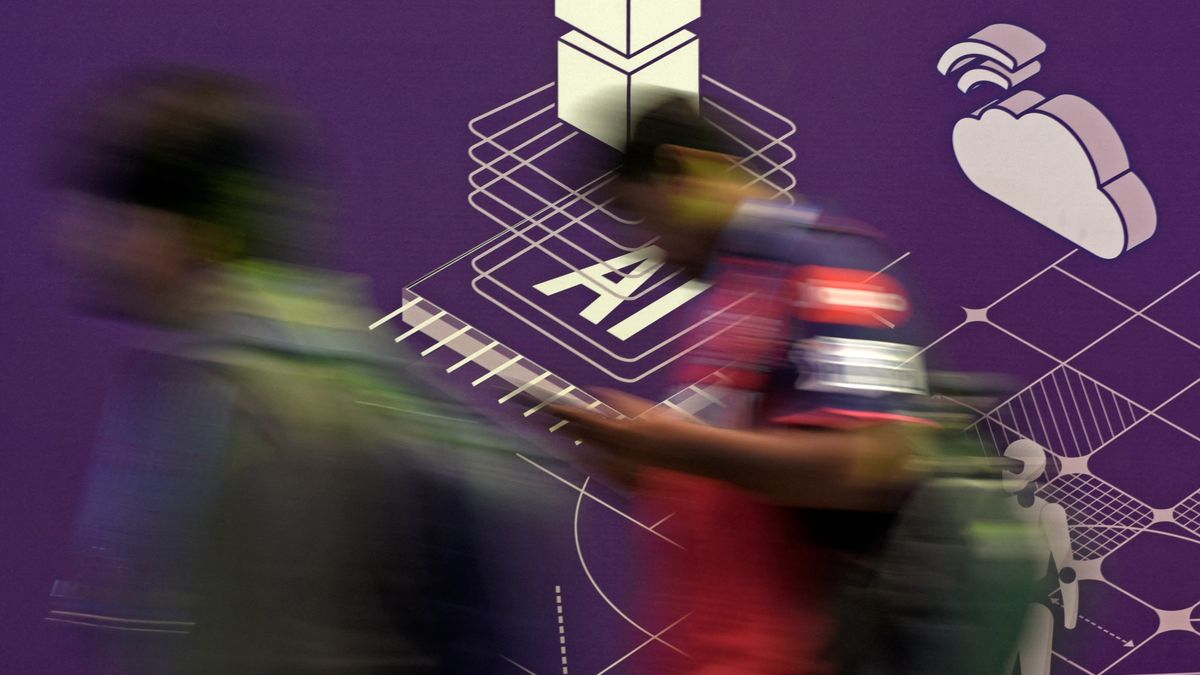
The Impact of Artificial Intelligence on the Brain: Avoiding Intellectual Laziness
Translated from Hungarian, summarized and contextualized by DistantNews.
At a glance
In-depth
Sources not specified
Context piece
- Artificial intelligence's impact on the human brain is becoming clearer, prompting discussions on how to avoid becoming intellectually lazy.
- The future is seen as hybrid intelligence, combining machine speed with human intuition.
- Strategies are being developed to ensure humans remain engaged and sharp despite the rise of AI.
The evolving relationship between artificial intelligence and the human brain is a growing area of concern and study. As AI technologies become more integrated into daily life, questions arise about their potential to diminish human cognitive abilities, leading to intellectual laziness. Experts suggest that the future lies in a hybrid intelligence model, where the rapid processing power of machines is complemented by human intuition and creativity. This synergy aims to leverage the strengths of both humans and AI, fostering a collaborative environment rather than a purely automated one. The challenge ahead involves developing effective strategies to ensure individuals remain mentally active and sharp, preventing a decline in cognitive function due to over-reliance on technology. The goal is to harness AI's capabilities without sacrificing human intellect, paving the way for a future where technology enhances, rather than hinders, human cognitive development.
DistantNews Editorial
Originally published by Magyar Nemzet in Hungarian. Translated, summarized, and contextualized by our editorial team with added local perspective. Read our editorial standards.
More Stories



From Our Blog

Countries Without a Free Press: What You Need to Know

What Press Freedom Means for the News You Read

What Gets Lost (and Found) When News Is Translated

The Critical Role of Diaspora Media in Global News

What Travellers Should Know About Countries with Restricted Press
