


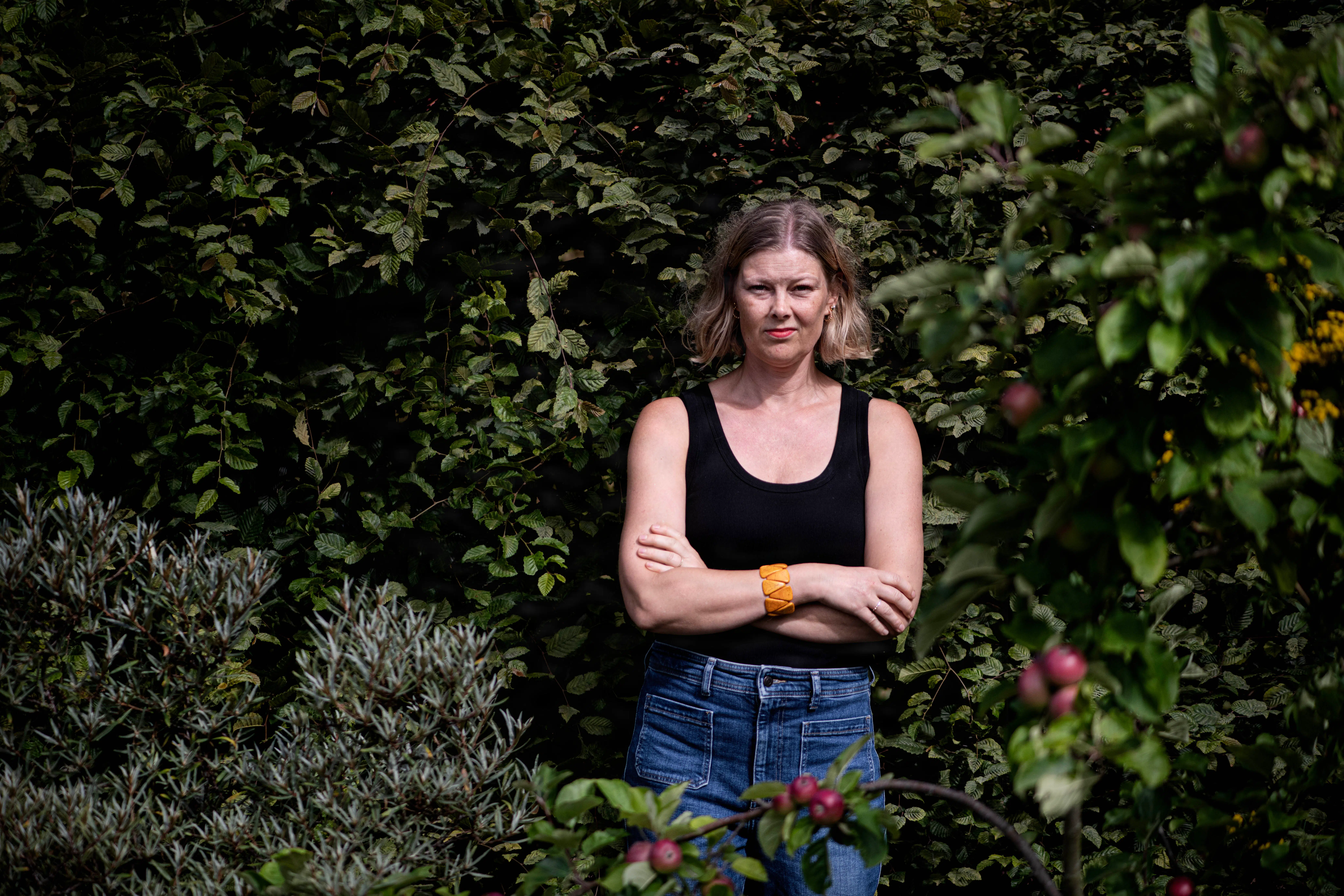
The kitchen garden is a 'microcosm of life's journey' holding important lessons
Translated from Danish, summarized and contextualized by DistantNews.
At a glance
In-depth
Sources not specified
Context piece
- A kitchen garden is described as a microcosm of life, offering profound lessons about loss, dementia, and the cycles of nature.
- The author reflects on the coexistence of sorrow and growth, decay and renewal within the garden's ecosystem.
- The garden's processes of flourishing and decay provide a metaphor for understanding the human experience of life and death.
The humble kitchen garden serves as a profound metaphor for life's intricate journey, according to Nanna Goul. In her lyrical reflections, she explores the garden as a 'microcosm of life's journey,' weaving together themes of sorrowful loss, the encroaching reality of dementia, the vibrant emergence of new life in tomato plants, and the inevitable decay of compost.
Goul finds deep meaning in the garden's dynamic processes, where flourishing and decay exist side-by-side. This constant cycle of growth, death, and renewal mirrors the human experience, offering a unique perspective on navigating loss and change. The garden's ability to hold both the beauty of new beginnings and the quiet reality of endings provides a powerful lens through which to view our own lives.
Through the lens of her garden, Goul suggests that nature's rhythms offer valuable lessons. The processes of planting, nurturing, harvesting, and composting teach us about acceptance, resilience, and the interconnectedness of all living things. The garden's fertile soil, enriched by decomposition, symbolizes how endings can pave the way for new beginnings, a concept that resonates deeply with the human capacity for healing and growth.
DistantNews Editorial
Originally published by Berlingske in Danish. Translated, summarized, and contextualized by our editorial team with added local perspective. Read our editorial standards.
More Stories

From Our Blog

What Gets Lost (and Found) When News Is Translated

The Critical Role of Diaspora Media in Global News

What Travellers Should Know About Countries with Restricted Press

A Digital Nomad's Guide to Following Local News

How the Same Story Looks Different in Different Countries
