


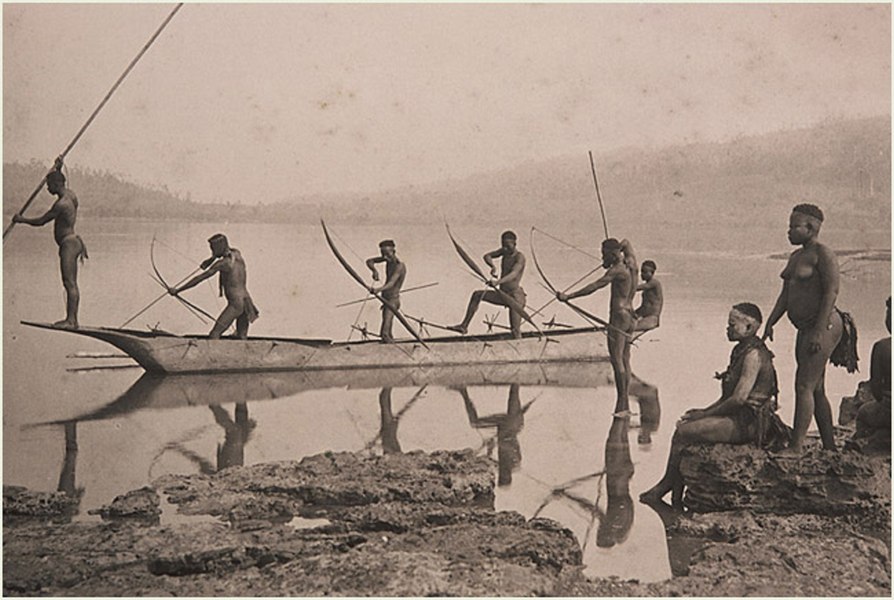
The last prehistoric tribes: How some communities survive the digital age
Translated from Romanian, summarized and contextualized by DistantNews.
At a glance
In-depth
Sources not specified
Context piece
- Isolated tribes continue to live in ways resembling the Stone Age, avoiding modern contact in remote regions of the planet.
- Some of these tribes fiercely defend their territories, resorting to violence against intruders.
- The Sentinelese people of North Sentinel Island in the Indian Ocean exemplify this isolation, with their language and customs remaining largely unknown due to extreme hostility towards outsiders.
In an era of rapid technological advancement and digital saturation, pockets of humanity persist with lifestyles reminiscent of the Stone Age. These isolated tribes inhabit some of the planet's last untouched regions, deliberately avoiding interaction with the modern world. Their existence highlights a stark contrast to the pervasive influence of AI and global connectivity.
These communities utilize Paleolithic tools and techniques, deriving most of their sustenance from hunting and gathering, much like their ancestors did tens of thousands of years ago. They reside in geographically inaccessible areas, and a significant number actively reject any form of contact, including from researchers. Their territorial defense can be extreme, with some tribes exhibiting extreme aggression towards anyone venturing onto their lands.
The Sentinelese people of North Sentinel Island, located in the Bay of Bengal, are among the most isolated and potentially dangerous of these groups. Their island, characterized by dense tropical vegetation, has seen extremely limited scientific study due to the inhabitants' hostility. Repeated attacks on fishermen, tourists, and researchers have led Indian authorities to prohibit access to the island and maintain a three-kilometer exclusion zone.
North Sentinel Island is now a protected area, intended to preserve the tribe's isolation and their traditional way of life, which has remained largely unchanged for an estimated 60,000 years. The exact population remains unknown, but anthropologists believe their prolonged isolation has fostered a unique language and distinct cultural practices, separate from other indigenous Andaman populations.
DistantNews Editorial
Originally published by Adevărul in Romanian. Translated, summarized, and contextualized by our editorial team with added local perspective. Read our editorial standards.
More Stories



From Our Blog

What Gets Lost (and Found) When News Is Translated

The Critical Role of Diaspora Media in Global News

What Travellers Should Know About Countries with Restricted Press

A Digital Nomad's Guide to Following Local News

How the Same Story Looks Different in Different Countries
