

The Legal Dispute Behind Texas's SB4 Law, Now in Effect for Thousands of Migrants
Translated from Spanish, summarized and contextualized by DistantNews.
At a glance
News
Sources not specified
Under investigation
- Texas's SB4 law, which allows state law enforcement to arrest individuals suspected of being undocumented immigrants, has taken effect.
- The law is facing legal challenges and its application to thousands of migrants is uncertain.
- The dispute centers on whether state police can enforce federal immigration laws.
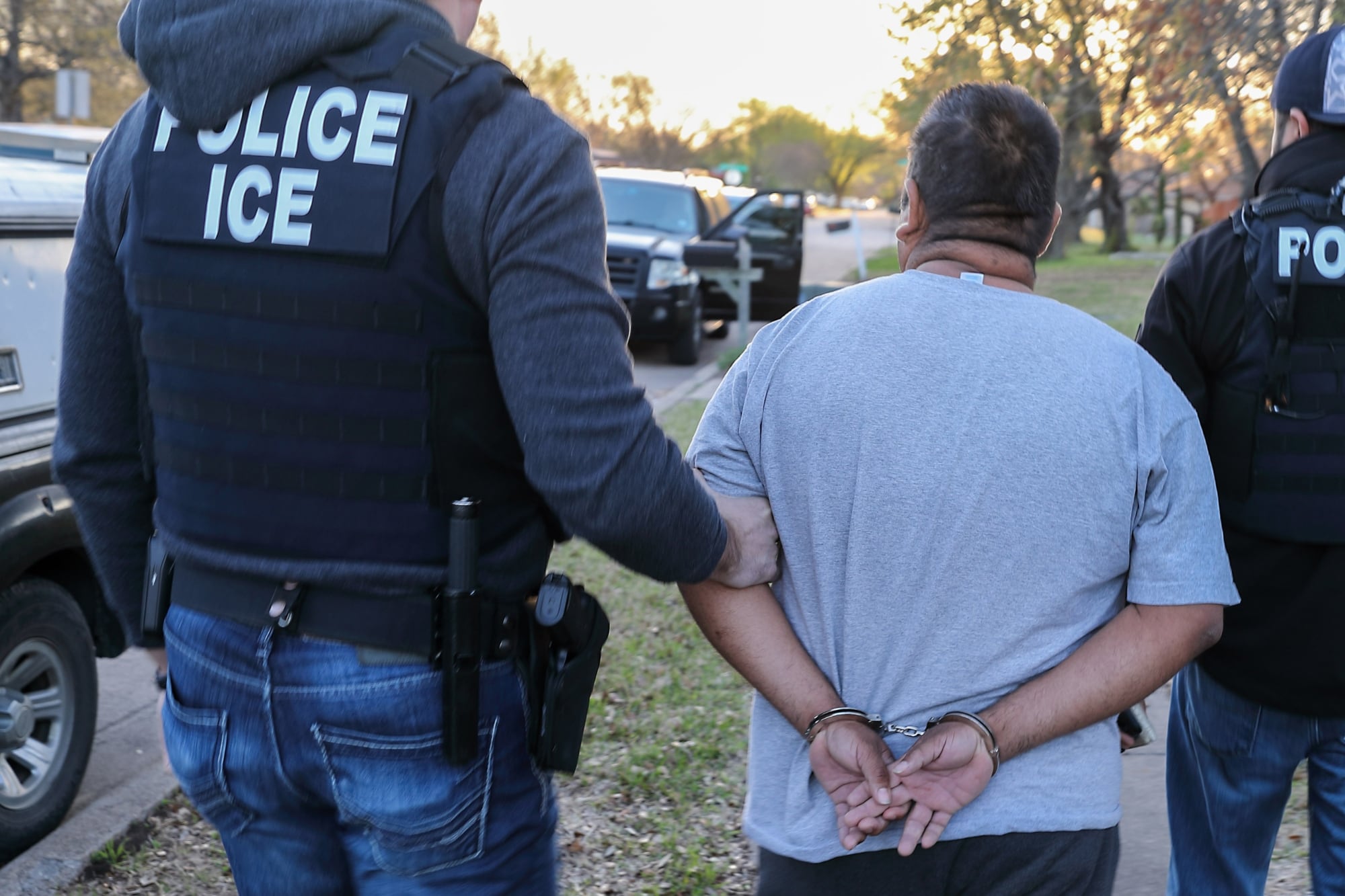
A controversial immigration law in Texas, known as SB4, has gone into effect, granting state law enforcement the power to arrest individuals suspected of being undocumented immigrants. This new legislation allows police officers to detain and deport migrants, bypassing federal immigration enforcement.
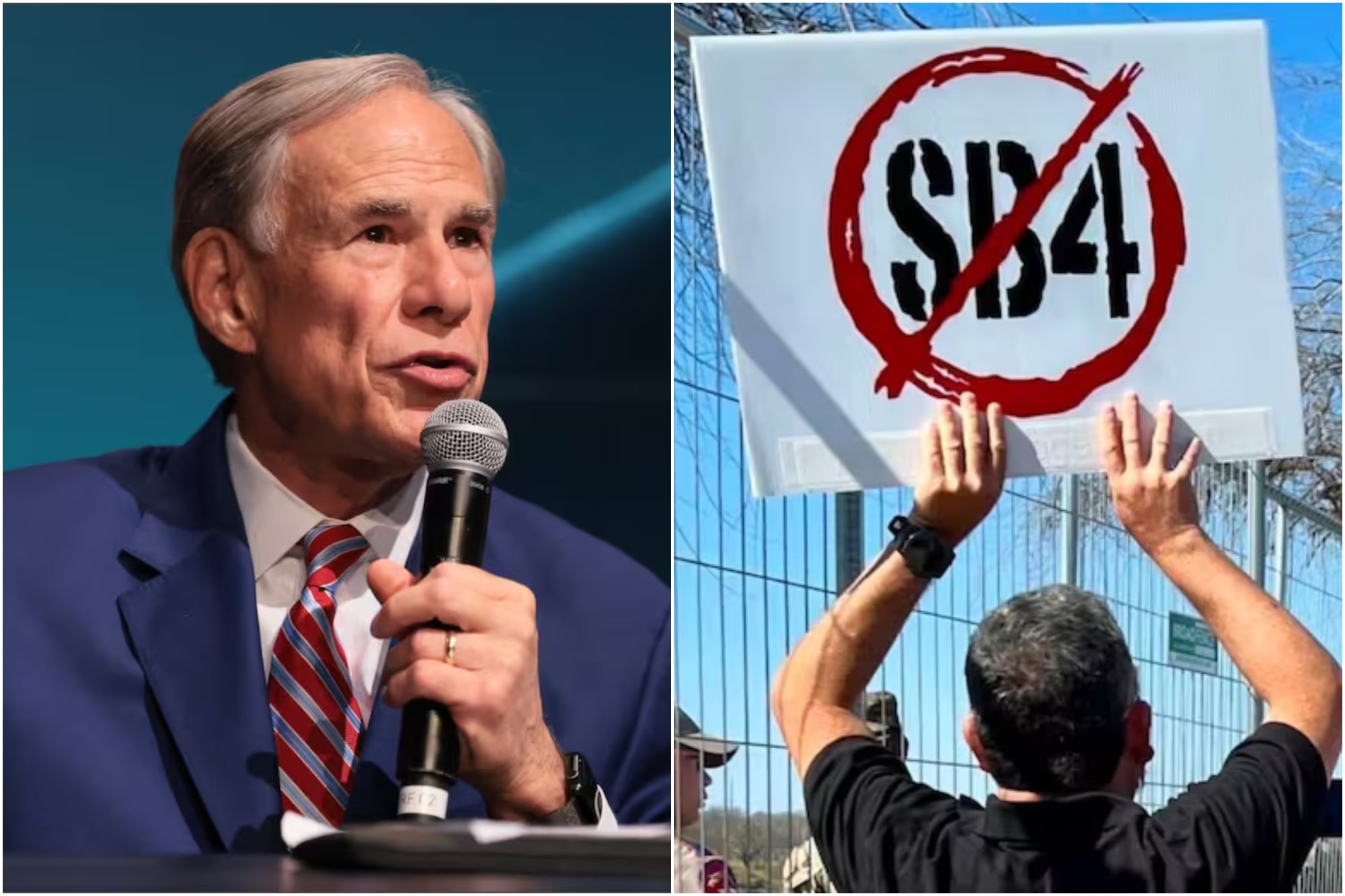
The law, however, is embroiled in a significant legal dispute. Civil rights organizations and the federal government have challenged SB4, arguing that it infringes upon federal authority over immigration. Critics contend that the law could lead to racial profiling and create a climate of fear among immigrant communities.
The core of the legal battle revolves around the division of powers between the state and federal governments regarding immigration enforcement. While Texas officials argue the law is necessary to address border security concerns, opponents maintain that only the federal government has the constitutional authority to regulate immigration.
Thousands of migrants in the United States could be affected by SB4, depending on the outcome of ongoing court challenges. The law's implementation marks a significant escalation in Texas's efforts to manage immigration at the state level, raising concerns about its potential impact on migrant rights and the broader immigration system.
DistantNews Editorial
Originally published by La Nación in Spanish. Translated, summarized, and contextualized by our editorial team with added local perspective. Read our editorial standards.
More Stories


From Our Blog

What Gets Lost (and Found) When News Is Translated

The Critical Role of Diaspora Media in Global News

What Travellers Should Know About Countries with Restricted Press

A Digital Nomad's Guide to Following Local News

How the Same Story Looks Different in Different Countries
