


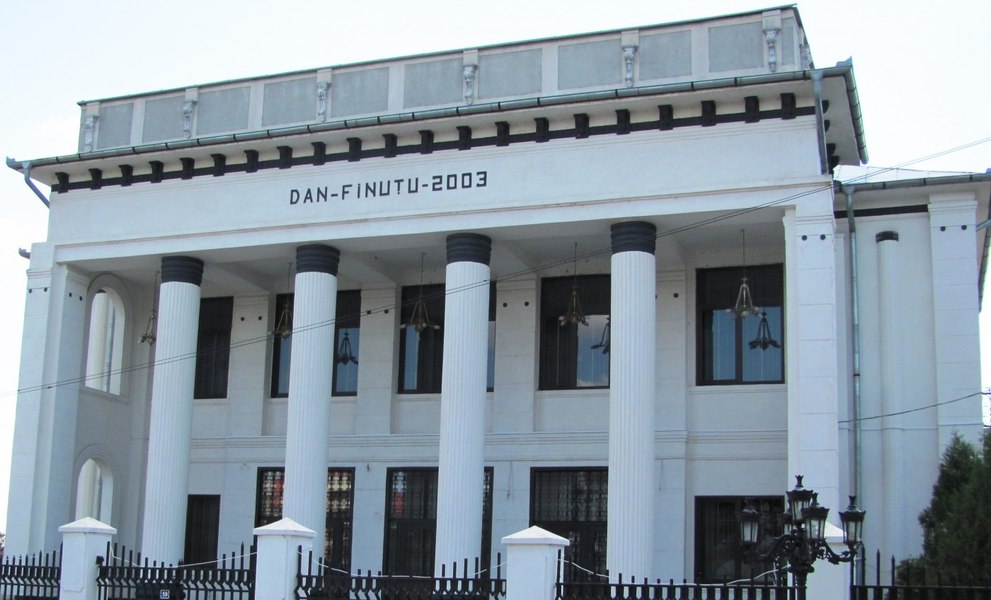
The luxurious palaces that amazed Romania in the 90s. Secrets of the extravagant villas that attracted all eyes
Translated from Romanian, summarized and contextualized by DistantNews.
TLDR
- Following the fall of communism, Romania experienced an era of stark contrasts, with many rapidly accumulating wealth and investing in ostentatious real estate projects.
- These new constructions, often characterized by abundant decorations and surprising combinations of styles, aimed to reflect the material success of their owners.
- The phenomenon sparked controversy, with some constructions being labeled 'kitsch' due to their perceived lack of taste and excessive ornamentation.
The 1990s in Romania were a period of dramatic transformation, a true era of contrasts following the fall of communism. As our society opened up, many Romanians seized new economic opportunities, leading to rapid wealth accumulation. This newfound prosperity was often visibly expressed through ambitious and, frankly, astonishing real estate investments. We saw the emergence of opulent villas, built with a boldness and flair that stood in stark opposition to the austere architecture of the communist era.
After the fall of communism, Romania entered an era of visible contrasts, in which many Romanians used their rapidly acquired fortunes in real estate investments that would amaze Romanians and foreigners alike. Others gave free rein to their imagination in construction, with the same effect.
These new constructions were not merely houses; they were statements. Driven by a desire to showcase their success, owners spared no expense on elaborate decorations, surprising stylistic fusions, and sheer volume. Whether inspired by personal passions, artistic inclinations, or simply the desire to emulate international trends, these villas captured the public's imagination and the attention of the international press. They represented a break from the past, a visual manifestation of freedom and economic possibility, even if some found them to be in questionable taste.
In the first years after the December 1989 Revolution, numerous Romanians quickly moved from the sober, economical, and simple style of architecture of buildings erected during communism to constructions that attracted attention through their volume and theme, abundant decorations, and surprising combinations.
It's fascinating to consider the academic perspective on this phenomenon. As noted by François Ruegg, the visibility of the newly rich in Eastern Europe is a relatively recent development. Unlike the more discreet traditions of wealth display in Western Europe, the post-communist elite embraced a more overt form of conspicuous consumption. This was facilitated not only by increased capital but also by the influx of imported goods and a greater awareness of global fashion and design trends, all previously inaccessible. While some critics might dismiss these villas as 'kitsch,' from our perspective, they are a significant cultural artifact, reflecting a complex interplay of economic transition, newfound freedoms, and a distinct Romanian expression of success and aspiration during a pivotal moment in our history.
Some Romanians, as well as Roma, who became rapidly wealthy in the 1990s, built opulent villas meant to reflect their material success, while others were inspired by their own passions or artistic knowledge, managing to transform modest projects into buildings meant to attract the attention of passers-by without costly investments.
DistantNews Editorial
Originally published by Adevărul in Romanian. Translated, summarized, and contextualized by our editorial team with added local perspective. Read our editorial standards.
More Stories


From Our Blog

What Gets Lost (and Found) When News Is Translated

The Critical Role of Diaspora Media in Global News

What Travellers Should Know About Countries with Restricted Press

A Digital Nomad's Guide to Following Local News

How the Same Story Looks Different in Different Countries
