


The Message That Can Empty Your Account in Minutes: SMS Scams Are Getting Harder to Recognize
Translated from Romanian, summarized and contextualized by DistantNews.
At a glance
News
From a news agency
Context piece
- SMS scams, known as 'smishing,' are rapidly increasing and becoming harder to detect, leading to significant financial losses.
- Artificial intelligence is enabling scammers to create more convincing messages, eliminating previous giveaways like grammatical errors.
- Consumers are warned to be wary of messages demanding urgent action, coming from unknown senders, or containing suspicious links.
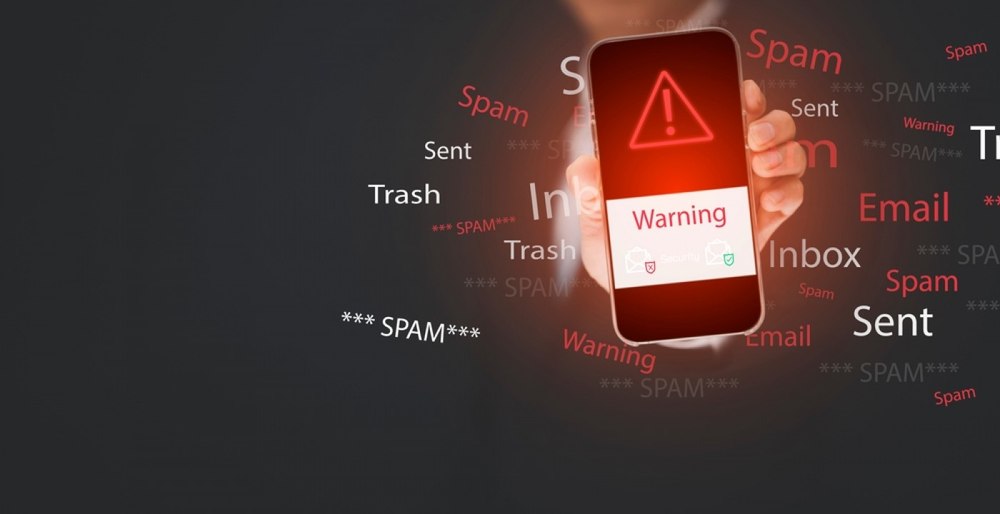
A seemingly innocuous text message about a blocked package, an unpaid fine, or an unbelievable job offer can be a gateway to financial ruin. These messages are at the heart of one of the fastest-growing forms of online fraud. Experts warn that artificial intelligence is empowering scammers to craft increasingly convincing messages, erasing the tell-tale signs that once exposed them.
A text message about a blocked package, an unpaid fine, or a job offer that is too good to be true may seem trivial. In reality, such messages are the basis for one of the fastest-growing forms of online fraud.
These SMS scams, a blend of 'SMS' and 'phishing,' aim to trick victims into clicking a link, sending money, or divulging personal and financial details. In 2024 alone, Americans reported $470 million in losses from SMS-initiated fraud, a fivefold increase since 2020, according to Forbes, citing Federal Trade Commission data.
Scammers favor SMS due to its low cost, speed, and potential for mass distribution. People tend to read texts almost immediately, perceiving them as more personal than emails. AI has revolutionized these scams; messages are now grammatically correct, fluent, and mimic institutional tones effectively. Cybersecurity researchers noted a 456% surge in AI-facilitated scams between May 2024 and April 2025.
AI has significantly changed the way these frauds look. If previously many false messages could be detected by grammatical errors, awkward phrasing, or suspicious logos, now the texts can be written correctly, fluently, and in a tone very close to that of a real institution.
Key warning signs include messages creating a sense of urgency, such as threats of account suspension or immediate payment demands. Be suspicious of unknown senders, long or unfamiliar numbers, or messages appearing to be from legitimate institutions but using slightly altered links or unusual domain names. The safest rule is never to click on suspicious links.
The most important alarm signal is urgency. Such messages try to make you react before you check. Phrasing like 'your account will be suspended,' 'you must pay immediately,' or 'respond urgently to avoid a fine' is designed precisely to create pressure.
DistantNews Editorial
Originally published by Adevărul in Romanian. Translated, summarized, and contextualized by our editorial team with added local perspective. Read our editorial standards.
More Stories



From Our Blog

What Gets Lost (and Found) When News Is Translated

The Critical Role of Diaspora Media in Global News

What Travellers Should Know About Countries with Restricted Press

A Digital Nomad's Guide to Following Local News

How the Same Story Looks Different in Different Countries
