


"The Odyssey" Adaptation is a Monumental Journey That Reshapes the Hero's Quest
Translated from Spanish, summarized and contextualized by DistantNews.
At a glance
In-depth
Sources not specified
Context piece
- Christopher Nolan's new film is an ambitious adaptation of Homer's "The Odyssey," starring Matt Damon as Odysseus.
- The nearly three-hour film, shot entirely on IMAX cameras, explores the classic hero's journey as a martyrdom and self-punishment.
- The adaptation features a strong supporting cast, including Anne Hathaway as Penelope and Robert Pattinson as Antinous, and uses Nolan's signature non-linear narrative style.
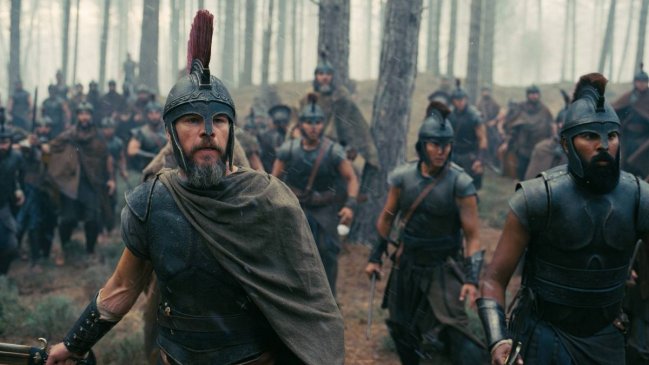
Christopher Nolan returns to cinemas with a monumental adaptation of Homer's epic poem, "The Odyssey," starring Matt Damon in the demanding role of Odysseus. The film, shot entirely on IMAX cameras, offers a nearly three-hour cinematic journey that challenges traditional notions of the hero's archetype.
Damon portrays Odysseus not just as a valiant warrior but as a flawed, weary individual tormented by his actions during the Trojan War. Nolan uses the ancient text as a canvas to explore themes of humanity, the absurdity of war, and the concept of the hero's journey as a form of penance. The film suggests that the return home must be earned through introspection and acceptance of one's sins.
Complementing Damon's performance is a stellar ensemble cast. Anne Hathaway delivers a resilient portrayal of Penelope, while Robert Pattinson embodies the cruel and cowardly Antinous. Even characters with limited screen time, such as Zendaya as Athena and Charlize Theron as Calypso, leave a significant impact, contributing to the film's rich tapestry.
Nolan's distinctive non-linear storytelling, a hallmark of his work, aligns effectively with the structure of the original epic, which often interwove flashbacks and recounted tales. This narrative approach allows the film to respect the classic story while reinterpreting it for contemporary audiences, delving into universal themes of human struggle and the profound impact of our journeys on loved ones.
Visually, the film is a spectacle, with cinematographer Hoyte van Hoytema and composer Ludwig Göransson capturing the emotional weight of Odysseus's arduous voyage on a grand scale. The breathtaking landscapes serve as a powerful reflection of the hero's challenging path. The film embraces the fantastical elements of the myth, presenting a "world of probable magic" from the outset, where gods and mortals interact amidst stunning, often ominous, natural backdrops.
It is a world of probable magic.
DistantNews Editorial
Originally published by Cooperativa in Spanish. Translated, summarized, and contextualized by our editorial team with added local perspective. Read our editorial standards.
More Stories


From Our Blog

What Gets Lost (and Found) When News Is Translated

The Critical Role of Diaspora Media in Global News

What Travellers Should Know About Countries with Restricted Press

A Digital Nomad's Guide to Following Local News

How the Same Story Looks Different in Different Countries
